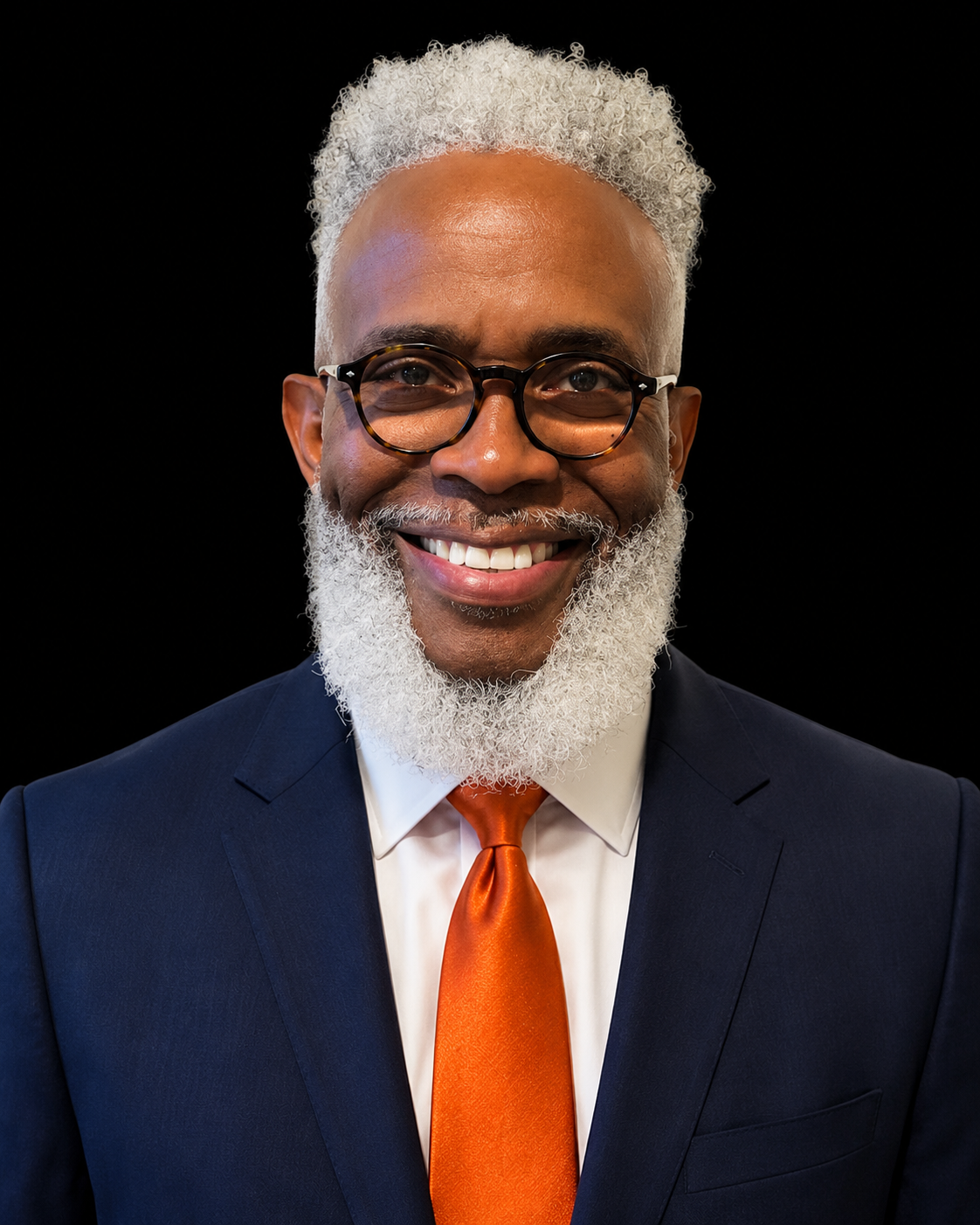
Crafting a Personal Brand for Digital and Broadcast Media

A personal brand in media is not created simply by being visible. Today, almost anyone can post videos, start a podcast, create a social media page, or appear regularly online. Visibility is easier than it has ever been. The real challenge is creating a professional identity that people recognize, understand, and trust across all of those platforms. That is why I believe personal branding for digital and broadcast media has to begin with a clear story, a consistent message, and a disciplined content strategy. The first question is not, “What should I post?” It is, “What do I want people to know me for?” That distinction matters because content without a clear identity can become scattered very quickly. One day a professional is talking about business, the next day politics, the next day motivation, and then something completely unrelated. There may be nothing wrong with any individual piece of content, but the audience never develops a clear understanding of the person behind it. A strong personal brand should have a recognizable center. That center may be your expertise, your professional experience, the audience you serve, or the perspective you bring to a particular subject. The objective is not to limit everything you say to one narrow topic. It is to make sure the different parts of your communication still connect to a larger professional identity. This is where storytelling becomes important. People may first notice your credentials, but they usually remember the story behind them. How did you develop your expertise? What have you learned from your career? What problems have you seen repeatedly? What experiences shaped the way you think about your industry? Those stories make professional knowledge more human and easier for audiences to remember. I do not believe storytelling means turning every piece of content into a personal biography. The story should support the lesson. If I am talking about leadership, I may share an experience that changed the way I manage people. If I am discussing business, I may explain a mistake or decision that taught me something about growth. If I am talking about real estate or mortgage lending, I may use an experience to explain why a particular principle matters. The story creates the connection, but the value comes from what the audience learns from it. Consistency is the next major element. Your audience should encounter the same professional identity whether they see you on television, listen to a podcast, watch a short video, visit your website, or read something you wrote. That does not mean repeating the same words everywhere. It means the values, expertise, tone, and message should feel connected. If someone sees me in one format and encounters something completely different in another, the brand becomes confusing. A strong brand creates continuity. The person viewers see in a short video should feel like the same professional they encounter in a longer interview or in person. Visual presentation supports that consistency, but it should not become the entire focus. Professional photography, good lighting, a recognizable background, proper audio, graphics, and consistent design can strengthen the presentation. However, none of those elements can compensate for weak ideas. Production quality may get someone’s attention, but substance is what gives the brand credibility. This is why content strategy matters. I believe professionals should stop thinking of content as a series of isolated posts and begin thinking about it as an organized body of communication. What subjects do you want to consistently address? What questions does your audience repeatedly ask? What problems can your expertise help solve? What information can you provide that makes someone more knowledgeable after consuming your content? Once those areas are defined, one idea can often be used across several formats. A detailed article can become a video discussion. That discussion can produce several shorter clips. A podcast interview can generate quotes, educational posts, and follow-up commentary. A television segment can lead viewers to a longer explanation on your website. The goal is not to create something completely new every day. The goal is to develop important ideas thoroughly and distribute them intelligently. I also believe there should be a balance between short-form and long-form media. Short-form content is useful for attracting attention and introducing ideas, but authority often requires more depth. Someone may discover you through a thirty-second video, but a longer interview, article, webinar, podcast, or presentation allows them to understand how you think. Both have a role, and the strongest media strategies connect them. Another important issue is frequency. Consistency does not necessarily mean posting every hour or even every day. It means establishing a pace that can be sustained. An audience is better served by thoughtful communication delivered consistently than by large amounts of content produced simply to remain visible. Quality and consistency should work together. Professionals should also remember that media creates a permanent record. What we say can be replayed, shared, quoted, and taken into environments we never expected. That means judgment matters. Before publishing something, I believe we should ask whether it reflects the professional identity we are trying to build. Not every thought needs to become content, and not every controversy deserves our participation. The strongest personal brands are created over time. They develop as the audience repeatedly sees the same person bringing useful information, thoughtful perspective, and a recognizable point of view to the subjects they understand best. A personal media brand should ultimately answer three questions for the audience: Who are you? What do you know? Why should I continue listening to you? When storytelling makes the brand human, consistency makes it recognizable, and content strategy makes it valuable, digital and broadcast media become more than promotional channels. They become platforms for building lasting professional authority. Thank you for taking the time to read and reflect. I write to help people think clearly about money, business, real estate, and life — not from theory, but from decades of lived experience. If you are navigating a financial decision, building a business, considering
Building Authority Through Media Appearances and Public Speaking

Media appearances and public speaking can create enormous opportunities for professionals, business owners, executives, and advisors, but visibility alone does not create authority. Being interviewed, appearing on a podcast, speaking at a conference, or standing in front of an audience only gives you access to attention. What you do with that attention determines whether people remember you as someone who simply appeared or as someone whose ideas were worth hearing. I believe authority begins with clarity. Before any interview or presentation, you should know the central message you want the audience to remember. Too many people try to demonstrate how much they know by giving too much information. They answer every question with five additional points, move from one subject to another, and eventually lose the audience. Expertise is not demonstrated by saying everything you know. It is demonstrated by knowing what matters most and being able to explain it in a way people can understand. That is especially important in media because time is often limited. A television interview may give you only a few minutes. A podcast host may move rapidly between topics. A panel discussion may allow only a short response before another speaker takes over. You have to be able to organize your thinking quickly. What is the issue? Why does it matter? What does the audience need to understand? What should they do with the information? When your answers have structure, you sound more confident because the audience can follow your reasoning. Confidence is another important part of building authority, but I do not believe confidence means trying to sound perfect. In fact, people often become less effective speakers when they become too concerned about appearing polished. They memorize every sentence, worry about every word, and begin sounding like they are reciting rather than communicating. Preparation is important, but the objective should be to know the subject well enough that you can speak naturally about it. Real confidence comes from preparation and competence. Know your material. Understand the audience. Anticipate the questions you are likely to receive. Know the statistics, examples, or stories that support your position. If you are speaking about something you do not know, do not pretend otherwise. There is tremendous credibility in being able to say, “I do not have that information in front of me, but here is what I can tell you.” Authority is strengthened by honesty, not weakened by it. Audience engagement also requires us to remember that communication is not about the speaker. It is about the person receiving the message. I may be passionate about a subject, but if I cannot connect it to something the audience understands or cares about, I will lose them. A strong speaker constantly asks: Why should this matter to the person listening? That may require changing the way we explain the same information to different audiences. A room full of business owners may need a financial explanation. Consumers may need a practical example. Industry professionals may want technical depth. Community audiences may respond more strongly to the consequences the issue creates in everyday life. The central message can remain the same while the language and examples change. Storytelling can also strengthen audience engagement when it is used properly. People often remember an example long after they forget a statistic. A story about a client, a business challenge, a professional lesson, or a personal experience can help an audience understand why an idea matters. The key is that the story should serve the message. It should not become a long detour that causes the audience to forget the original point. The same principle applies to public speaking. I encourage speakers to think less about giving a speech and more about having a structured conversation with the room. Look at people. Allow important points to breathe. Listen when someone asks a question rather than mentally preparing your answer while they are still speaking. Use your voice naturally. You do not have to perform every sentence. Sometimes a calm, deliberate explanation carries more authority than dramatic delivery. Another important part of media coaching is learning how to handle difficult questions. A professional should not become defensive simply because an interviewer challenges a position. Listen carefully, acknowledge the question, and respond to the issue rather than reacting to the tone. If the premise of the question is wrong, correct it respectfully. If the issue is complicated, say so and explain why. The goal is not to win an argument with the interviewer. The goal is to demonstrate sound judgment in front of the audience. Consistency matters as well. Authority is rarely created through one appearance. It develops when people repeatedly see you discussing your area of expertise with knowledge, perspective, and professionalism. Articles, interviews, podcasts, videos, panels, webinars, and speaking engagements should reinforce the same general professional identity. Over time, the market begins associating your name with a particular body of knowledge. That is where media becomes much more than promotion. It becomes a way to demonstrate expertise publicly. The objective should not be to become the loudest person in the room or the person who appears everywhere. It should be to become someone audiences trust to make complicated ideas clearer. Speak with confidence because you have prepared. Communicate with clarity because you respect the audience’s time. Engage people because you understand that information becomes valuable only when someone can use it. When those disciplines come together, media appearances and public speaking stop being isolated opportunities for exposure. They become part of building a professional reputation, one informed conversation at a time. Thank you for taking the time to read and reflect. I write to help people think clearly about money, business, real estate, and life — not from theory, but from decades of lived experience. If you are navigating a financial decision, building a business, considering homeownership, or simply trying to make better use of your time and resources, I invite you to engage further. Subscribe to The Power Is Now TV