
Riverside County Housing Market: Inventory Expansion Meets Slowing Absorption in Late Summer 2026
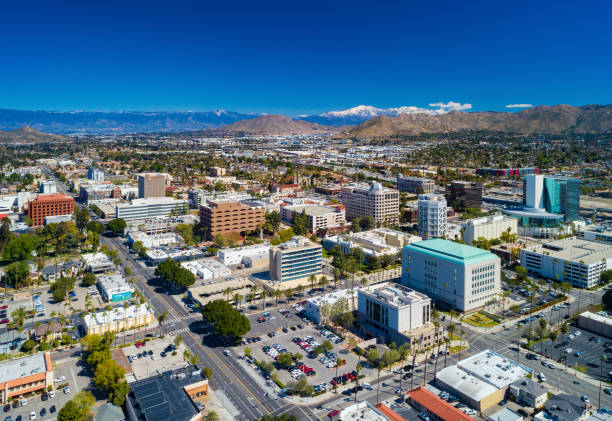
Riverside County’s housing market is moving through a phase where surface-level stability hides a deeper structural shift in buyer behavior and market absorption. While pricing has not collapsed, the balance between available homes and actual closed transactions has changed noticeably as summer transitions into early fall 2026. Mortgage rates holding in the mid-to-high 6% range continue to influence purchasing decisions, reducing affordability even in one of Southern California’s more accessible markets. At the same time, inventory trends are no longer tightening at the pace seen in previous cycles, creating a more complex environment for both buyers and sellers. Recent county-level reporting shows that price movements remain relatively narrow, yet the speed of transactions has slowed and listings are remaining active for longer periods. This combination suggests a market that is not declining sharply, but rather adjusting through reduced momentum. Understanding these shifts is important because they influence negotiation strength, pricing strategy, and long-term housing expectations across the Inland Empire. The current phase of Riverside County real estate is best understood through the interaction of inventory growth, sales contraction, and affordability pressure rather than price alone. Inventory Growth Without Equivalent Sales Absorption One of the most important developments in Riverside County is the divergence between inventory levels and closed sales activity. According to California Association of REALTORS® data, active listings and overall supply have shown signs of recovery compared to previous low-inventory cycles, but closed transactions have not kept pace. July 2026 data shows sales falling 13.7% month-over-month while median prices still increased 2.2% from the prior month, reaching approximately $649,000. This separation between price direction and sales volume indicates that pricing is being supported by constrained supply conditions rather than strong buyer demand. Realtor.com’s August 2026 tracking also shows a median listing price around $589,900, down roughly 1.5% year-over-year, while days on market averaged about 63 days. This longer marketing period suggests that homes are taking more time to secure qualified buyers, even when priced within recent market ranges. The presence of price reductions on roughly 18% of listings further highlights that sellers are increasingly adjusting expectations to match real-time buyer behavior rather than relying on prior pricing benchmarks. The overall condition reflects a market where inventory is no longer the limiting factor, but buyer conversion is becoming the constraint. Buyer Sensitivity Driven by Mortgage Rate Pressure Affordability continues to be the central force shaping Riverside County’s housing dynamics. With 30-year fixed mortgage rates hovering near the mid-to-high 6% range, purchasing power has been significantly reduced compared to earlier low-rate cycles. Even modest changes in interest rates have a disproportionate impact on monthly payment structures, particularly for first-time buyers who dominate much of Riverside’s demand base. This environment has led to slower decision-making and longer negotiation cycles. Buyers are no longer competing aggressively across multiple offers in most segments, which marks a shift from previous high-demand periods. Instead, there is more price comparison behavior, increased inspection scrutiny, and a greater willingness to wait for price adjustments. The result is a market where demand still exists, but is more cautious and selective, reducing the pace at which listings transition into escrow. Price Stability Masking Underlying Softening Pressure Although Riverside County has not experienced significant price declines, stability in median pricing does not necessarily reflect strength. Recent California Association of REALTORS® reports show that while year-over-year price movement remains slightly positive or flat, transaction volume trends point in the opposite direction. In July 2026, sales declined 2.6% year-over-year even as median pricing increased 3.0%, highlighting the disconnect between pricing and activity levels. This type of pattern often reflects a market in transition rather than expansion. Prices are being held up by a smaller pool of active inventory and by sellers choosing to wait rather than aggressively reduce listing values. However, as days on market extend and inventory gradually builds, pricing pressure typically emerges later in the cycle rather than immediately. The key takeaway is that stability in pricing should not be interpreted as acceleration. Instead, it reflects temporary equilibrium between slowing demand and gradually increasing supply. Shift Toward a Slower Transaction Environment The most visible change in Riverside County is not price movement but transaction velocity. Homes that previously moved within shorter marketing windows are now averaging longer listing periods, with multiple data sources indicating average market times between 53 and 63 days depending on methodology and dataset. This slowdown creates a ripple effect across the entire market structure. Sellers must plan for longer holding periods, buyers gain more negotiation leverage, and pricing strategies become more sensitive to initial listing accuracy. Properties that are mispriced at launch tend to experience longer correction cycles, often requiring reductions before attracting serious offers. This environment is less volatile than rapid appreciation cycles but requires more precision from both sides of the transaction. Riverside County’s housing market is currently defined by a clear imbalance between inventory recovery and slower buyer absorption. While prices have not declined sharply, the underlying structure shows reduced transaction speed, increased negotiation activity, and greater sensitivity to financing conditions. The combination of elevated mortgage rates and cautious buyer behavior is shaping a market that is steady on the surface but slower in execution beneath it. This phase does not signal a collapse but rather a recalibration of expectations across both buyers and sellers. Those entering the market are now operating in an environment where timing, pricing accuracy, and financing strategy matter more than momentum. Understanding these conditions provides a clearer picture of where opportunities exist and where delays are more likely. Thank you for taking the time to read and reflect. I write to help people think clearly about money, business, real estate, and life — not from theory, but from decades of lived experience. If you are navigating a financial decision, building a business, considering homeownership, or simply trying to make better use of your time and resources, I invite you to engage further. Subscribe to The Power Is Now TV to connect with me live every weekday, Monday through
Riverside County Real Estate Market 2026: Inland Expansion, Price Stabilization, and Shifting Buyer Migration Patterns
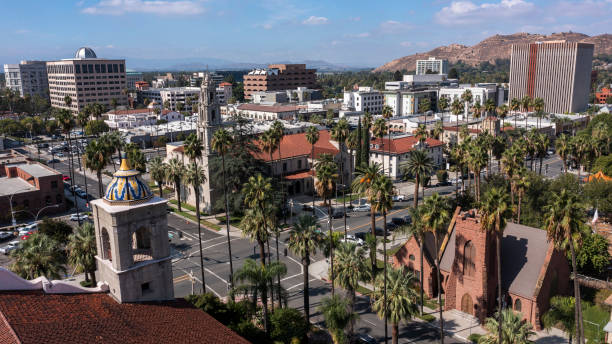
Riverside County continues to play a central role in California’s housing narrative, particularly as affordability pressures push buyers further inland from coastal markets. As part of the Inland Empire, the county has evolved from being viewed primarily as a commuter region into a major residential and logistics-driven housing ecosystem. In 2026, the real estate market reflects a complex balance between steady population growth, moderated pricing, and a shifting demand structure influenced by interest rates and long-term affordability concerns. Unlike coastal California markets where price levels remain extremely high and supply remains tightly constrained, Riverside operates in a more fluid environment where inventory is relatively higher, price adjustments are more visible, and buyer competition fluctuates depending on interest rate sensitivity. Despite this, the county has not experienced a structural downturn. Instead, it is undergoing a normalization phase where price growth has slowed, demand has become more selective, and sellers are adjusting expectations to align with broader economic conditions. This article provides a detailed examination of Riverside County’s 2026 housing market, focusing on pricing behavior, inventory trends, transaction activity, and the evolving role of affordability migration in shaping long-term real estate patterns. Pricing Behavior: Mild Declines Mask a Stabilizing Market Structure Riverside County’s housing market is currently operating within a moderate pricing correction phase rather than a downturn. Recent data places the average home value at approximately $610,000 to $650,000 depending on city and measurement index, reflecting a year-over-year change ranging between -0.1% and -1.1% across different reporting datasets. While this indicates slight softening, the broader structure of the market remains stable when viewed over a multi-year horizon. What is particularly important in Riverside is that pricing adjustments are not driven by distress but by affordability recalibration. Higher borrowing costs have reduced the maximum purchasing power for many households, which in turn has created downward pressure on pricing growth rather than outright price collapse. At the same time, seller equity positions remain relatively strong, preventing forced sales or widespread discounting. This creates a market environment where prices are adjusting at the margins rather than collapsing in segments, reinforcing the idea of stabilization rather than decline. Inventory Conditions: Balanced Supply with Regional Variation Inventory levels in Riverside County remain significantly higher than those found in coastal California markets, which introduces a more balanced dynamic between buyers and sellers. Active listings have ranged from approximately 9,000 to over 13,000 units countywide depending on seasonal cycles and reporting methods. This level of supply gives buyers more choice compared to tighter metropolitan markets such as San Diego or Orange County. However, this does not mean the market is oversupplied. Instead, it reflects a healthy but uneven inventory distribution, where some submarkets experience faster absorption while others linger longer on the market. Well-priced homes in commuter-friendly areas tend to move more quickly, while overpriced listings face extended marketing periods. Median days on market typically range between 30 and 60 days depending on the dataset and location within the county, which signals a market that is neither overheated nor stagnant. This balance is important because it demonstrates that supply and demand are relatively aligned, even if pricing momentum has slowed. Buyer Migration: Inland Movement Continues to Shape Demand One of the defining structural forces in Riverside County is ongoing migration-driven demand from coastal California markets. Many households continue relocating from Los Angeles, Orange County, and San Diego in search of more attainable homeownership opportunities. This migration pattern has been one of the primary drivers of long-term demand stability in the Inland Empire. However, in 2026, this migration effect has become more selective. Instead of broad-based movement, buyers are now highly sensitive to interest rates, job stability, and total monthly housing costs. As a result, demand remains present but less aggressive than in previous expansion cycles. This shift has created a more segmented buyer pool, where entry-level and mid-tier properties attract the most activity, while higher-priced inland homes experience slower absorption. The migration trend remains intact, but its intensity has moderated compared to earlier periods of rapid inland expansion. Pricing Segmentation: Neighborhood-Level Divergence Becomes More Visible Riverside County is increasingly defined by micro-market divergence, where pricing and demand vary significantly across cities and even within neighborhoods. Cities such as Temecula, Corona, and parts of Riverside proper tend to command higher price points, often exceeding $700,000 to $875,000 in certain submarkets, while more affordable areas remain closer to the $450,000 to $600,000 range depending on property type. This divergence reflects differences in school districts, commuter access, housing stock, and buyer preference. It also highlights the growing importance of localized analysis when evaluating Riverside County real estate, as countywide averages often mask significant internal variation. In practical terms, this means two homes in the same county can experience entirely different market conditions based solely on micro-location and price tier positioning. Transaction Activity: Steady Sales Despite Market Cooling Despite slower price appreciation, transaction activity in Riverside County remains relatively strong. Recent data shows year-over-year increases in home sales volume, with thousands of properties continuing to change hands monthly across the county. This indicates that demand has not weakened significantly but has instead adjusted to new pricing and financing conditions. Homes that are priced appropriately continue to attract multiple offers, with a notable percentage still selling at or near list price in competitive segments. However, the proportion of listings requiring price reductions has increased, signaling a more disciplined buyer environment where overpricing is quickly penalized by extended time on market. The overall transaction flow suggests a market that is active, functional, and responsive rather than distressed or stagnant. Riverside County’s real estate market in 2026 reflects a transition toward equilibrium rather than disruption. Prices have softened slightly in some segments, but the broader market remains structurally stable due to continued migration-driven demand and relatively balanced inventory conditions. Buyers now benefit from more options and greater negotiation power, while sellers must adopt more precise pricing strategies to remain competitive. The most important takeaway is that Riverside is no longer defined solely by rapid
The 30-Day Market Lag: Why Riverside County Homes Are Slower to Move Despite “Hot Market” Conditions
A “hot market” used to be defined by speed. Listings would appear and disappear within days, often with multiple offers pushing prices higher almost immediately. That rhythm has changed in Riverside County. In 2026, homes are still selling, prices are still elevated, and demand has not disappeared—but the pace has shifted in a way that changes the entire meaning of market strength. Across much of the county, the average home now sits on the market for 30 to 40 days or longer before going into contract. In some submarkets, particularly in mid-tier price ranges, the timeline stretches even further depending on condition, pricing strategy, and financing requirements. What was once a 7–14 day market has evolved into a slower, more deliberate environment where buyers are no longer rushing to compete. This change is not simply a matter of seasonal fluctuation. It reflects a deeper behavioral shift in how buyers approach decision-making, risk, and affordability. The market has not cooled in the traditional sense, but it has lost its urgency—and that loss is reshaping how transactions unfold. From Competition to Consideration One of the clearest changes in Riverside County is the decline of bidding pressure. In previous cycles, particularly during the 2020–2022 surge, homes in desirable price ranges frequently received multiple offers within days of listing. Escalation clauses, waived contingencies, and above-asking-price offers were common. In 2026, that pattern has largely faded. Instead of competing aggressively, buyers are taking a more measured approach. Homes priced between $550,000 and $800,000—historically one of the most active segments—are now averaging 28 to 35 days on market before receiving acceptable offers. Properties above $800,000 often extend beyond 40 days unless they are aggressively priced or recently renovated. This shift is tied directly to financing conditions. With mortgage rates remaining between 6.5% and 7%, monthly payment sensitivity has increased significantly. A difference of $25,000 in purchase price can translate into meaningful monthly payment changes, prompting buyers to evaluate listings more cautiously rather than reacting quickly. The result is a market where urgency has been replaced by analysis. Buyers are no longer driven by fear of missing out; they are driven by fear of overpaying in a high-rate environment. The 30–40 Day Reset: A New Normal The current average days on market in Riverside County reflects a structural reset rather than a temporary slowdown. Homes that once moved in under two weeks now routinely require 30 to 45 days to secure a buyer. This extended timeline is not necessarily a sign of weakness in demand. Instead, it reflects a redistribution of decision-making power. Buyers now have more time to compare options, review financing scenarios, and wait for price adjustments before committing. Even well-presented homes are no longer immune to this slower cadence. Data from county-level transaction patterns shows that price reductions are becoming more common before sale. A growing share of listings—estimated at nearly 38% in 2025—required at least one price adjustment before entering escrow. This reinforces the idea that initial list prices are increasingly being tested by a more selective buyer pool. In practical terms, the “hot market” label no longer applies to speed. It now applies only to price resilience, not transaction velocity. Selectivity Over Urgency A defining feature of the current market is increased buyer selectivity. Rather than competing for limited inventory, buyers are filtering aggressively based on condition, location, and monthly payment impact. Homes requiring even minor updates are experiencing longer marketing periods, while turnkey properties closer to employment centers continue to perform relatively better. However, even well-positioned homes are not escaping the broader slowdown in urgency. This shift is also influenced by economic uncertainty. Household budgets are more sensitive to interest rate fluctuations, insurance costs, and property tax increases than in previous cycles. As a result, buyers are less willing to stretch beyond comfortable payment thresholds, even in competitive submarkets. The psychological shift is equally important. The expectation that “if you don’t act today, you’ll lose the home” has weakened considerably. That change alone has slowed the entire transaction cycle. What Slower Movement Really Signals Longer days on market are often interpreted as a cooling signal, but in Riverside County, the reality is more complex. Prices have not collapsed, and demand has not disappeared. Instead, the market has transitioned into a state where friction has increased at every stage of the transaction process. Sellers are still anchored to recent peak pricing expectations, while buyers are anchored to monthly payment constraints. The gap between those two positions is not large enough to create widespread price declines, but it is large enough to slow decision-making significantly. This creates a market where equilibrium is achieved not through price adjustment, but through time. Homes take longer to sell because neither side is willing or able to move quickly enough to force resolution. Riverside County’s housing market in 2026 is not defined by decline, but by delay. The 30-day average selling window represents more than a statistical shift—it reflects a change in behavior, expectations, and financial reality. The traditional meaning of a “hot market” no longer applies. Speed has been replaced by caution, urgency has been replaced by evaluation, and competition has been replaced by selectivity. Until interest rates ease or affordability improves, the market is likely to continue operating in this slower rhythm. Not because demand has vanished, but because the conditions required for rapid transactions no longer exist at scale. Eric Lawrence Frazier Advisory Services Research Team Thank you for taking the time to read and reflect. I write to help people think clearly about money, business, real estate, and life — not from theory, but from decades of lived experience. If you are navigating a financial decision, building a business, considering homeownership, or simply trying to make better use of your time and resources, I invite you to engage further. Subscribe to The Power Is Now TV to connect with me live every weekday, Monday through Friday, from 10:00 AM to 11:00 AM PST, as we record television shows across the Power Is
Riverside County Real Estate: Lot Splits vs ADUs in 2026—Which Strategy Is Reshaping Housing Growth?
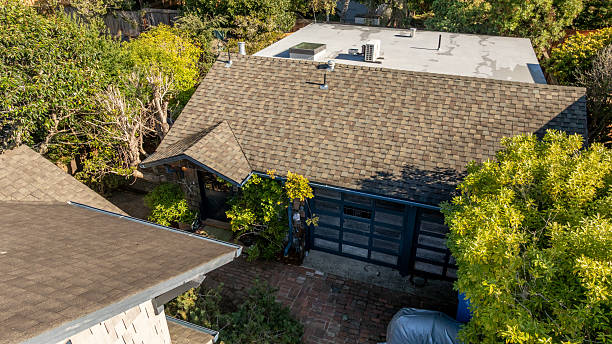
Riverside County has become one of the most closely watched real estate markets in Southern California, largely because it sits at the intersection of affordability pressure and policy-driven housing expansion. As coastal counties like Los Angeles and Orange continue to experience extreme price escalation, Riverside has absorbed a steady wave of migration from buyers seeking more attainable entry points into homeownership and investment properties. At the same time, California’s evolving housing laws are reshaping how property owners can maximize land use. Two of the most impactful tools driving this shift are SB9 lot splits and Accessory Dwelling Units (ADUs). Both strategies are designed to increase housing supply on existing residential land, but they function very differently in practice. SB9 focuses on subdividing land and creating additional primary units, while ADUs add secondary living spaces without changing the underlying parcel structure. In Riverside County, where single-family zoning still dominates but development pressure is increasing, the comparison between these two approaches has become a defining issue for homeowners, builders, and investors in 2026. Understanding how each option performs in terms of cost, approval speed, and long-term value is essential for anyone navigating this evolving market. Understanding the Two Housing Strategies SB9 Lot Splits: Creating New Parcels and Ownership Paths SB9 allows qualifying homeowners in single-family zones to split one parcel into two and build up to two units per lot, effectively creating up to four housing units in total under specific conditions. This law applies across California, including Riverside County, though local restrictions and eligibility rules still apply. To qualify, properties must meet strict criteria related to zoning, environmental risk, and land conditions. For example, parcels located in high fire zones, flood areas, or protected environmental regions may be excluded or require additional approvals. Even when eligible, SB9 developments are processed through ministerial review, meaning cities cannot require public hearings or discretionary approvals, which significantly reduces political delays. However, the process is still complex in practice. Developers must handle utility separation, new parcel mapping, and infrastructure adjustments, all of which add cost and time. In Riverside County, SB9 is often viewed as a long-term value strategy rather than a quick development solution. ADUs: Incremental Density on Existing Lots Accessory Dwelling Units (ADUs) operate under a different framework. Instead of dividing land, they add secondary housing units—either attached, detached, or converted structures—on an existing parcel. California state law requires cities and counties to allow ADUs with streamlined approvals and minimal barriers. In Riverside, homeowners can typically build at least one ADU on a residential lot, with setbacks as low as four feet and simplified permitting processes compared to traditional development. ADUs can reach up to 1,200 square feet depending on design and local compliance, and they are increasingly used for rental income, multigenerational housing, or long-term property value enhancement. Unlike SB9, ADUs do not require land subdivision, making them significantly easier and faster to implement. Cost and Feasibility Comparison in Riverside County SB9 Costs and Complexity SB9 projects tend to be capital-intensive. Costs include: Land surveying and subdivision mapping Utility separation for new parcels Infrastructure extensions (water, sewer, electrical) Construction of additional primary units In many cases, total development costs can exceed six figures before construction even begins. Additionally, financing can be more complex because lenders evaluate SB9 projects similarly to small-scale subdivisions rather than simple home improvements. The upside, however, is long-term value creation. A successful SB9 project can effectively transform a single property into two independently sellable assets, significantly increasing total property value. ADU Costs and Accessibility ADUs are generally more cost-effective and accessible. In Riverside County, basic detached ADUs often range from moderate to high five-figure or low six-figure construction budgets depending on size, materials, and utility connections. Converted garage units tend to be the most affordable entry point. Because ADUs do not require land division, permitting is faster and financing is simpler. Many homeowners use equity lines of credit or construction loans to fund projects. The return is typically generated through rental income rather than property division. Market Trends Driving Both Strategies Several key trends are influencing the growing use of both SB9 and ADUs in Riverside County: 1. Inland Migration Riverside continues to absorb demand from Los Angeles and Orange County, where median home prices often exceed $1 million. This migration increases rental demand and makes ADU construction financially attractive. 2. Affordability Pressure With interest rates remaining elevated through 2025–2026, buyers are relying more on multi-unit strategies to offset mortgage costs. ADUs are particularly popular because they generate immediate rental income. 3. State Housing Mandates California’s broader housing strategy continues to push for increased density through both subdivision (SB9) and incremental development (ADUs), ensuring both tools remain relevant in long-term planning. Key Differences in Practical Outcomes In Riverside County, the distinction between SB9 and ADUs is not just legal—it is strategic.SB9 is about ownership expansion It creates additional parcels and long-term equity growth but requires more capital and patience. ADUs are about income generation They provide faster returns through rental income and are easier to implement on most properties. In many cases, homeowners are now combining both strategies—using SB9 for long-term wealth building while adding ADUs for immediate cash flow. Riverside County sits at a critical point in California’s housing evolution. As demand continues to shift inland, property owners are increasingly looking for ways to maximize value from existing land. SB9 lot splits and ADUs represent two very different but complementary strategies that reflect this new reality. SB9 offers long-term structural transformation of property ownership, while ADUs provide immediate, flexible income opportunities. Neither approach is universally better; instead, their value depends on financial goals, property conditions, and development capacity. What is clear is that Riverside is no longer just an affordability alternative—it is becoming a laboratory for California’s new housing model, where land use, policy, and investment strategy are increasingly intertwined. Thank you for taking the time to read and reflect. I write to help people think clearly about money, business, real estate, and life — not