Fair Housing Series Part 8: The Fair Housing Act and the LGBTQ+ Community.
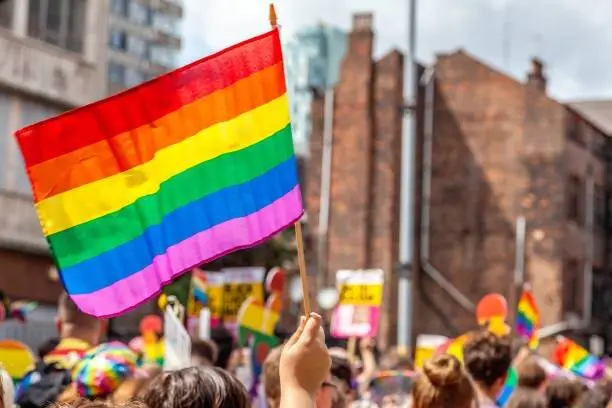
This Is America. The Melting Pot Belongs to Everyone. By Eric Lawrence Frazier, MBA America has come a long way. Anyone who was alive in 1990 and is alive today has witnessed a transformation in the public acceptance of LGBTQ+ Americans that would have been difficult to predict. The marriage equality decision in 2015 was a legal landmark that represented something deeper than a court ruling — it represented a shift in what a growing majority of Americans, and especially the younger generation, believe about who deserves equal treatment under the law. That progress is real and it deserves to be acknowledged. And the progress is incomplete, legally contested, and under direct attack in 2026 in ways that every LGBTQ+ person navigating the housing market needs to understand clearly. What the Law Actually Covers — and What It Does Not The Fair Housing Act of 1968 prohibits discrimination based on race, color, national origin, religion, sex, disability, and familial status. Sexual orientation and gender identity are not explicitly listed as protected classes in the federal Fair Housing Act. They never have been. The Obama administration extended fair housing protections to LGBTQ+ individuals through HUD’s Equal Access Rule, which required HUD-funded programs to provide equal access regardless of sexual orientation or gender identity. The Trump administration halted enforcement of that rule on February 10, 2025, within weeks of taking office. As of 2026, twenty-seven states have no explicit state-level fair housing protections for LGBTQ+ people. In those states, a landlord can legally refuse to rent to a gay couple. A seller can legally refuse to sell to a transgender buyer. There is no federal enforcement mechanism that will address that refusal. This is not hypothetical. This is the current legal landscape. In 2020, the Supreme Court held in Bostock v. Clayton County that Title VII of the Civil Rights Act prohibits employment discrimination based on sexual orientation and gender identity, reasoning that such discrimination is a form of sex discrimination. Fair housing advocates have argued that the same logic extends to the Fair Housing Act’s sex discrimination prohibition. The current administration is fighting that extension. The battle is live and the outcome is not settled. This Is a Culture War. Call It What It Is. If you do not see what is happening as a culture war, look at the evidence more carefully. The difference between what the Obama administration did and what the Trump administration has done on LGBTQ+ fair housing protections is not a technical policy disagreement. It is a statement about who belongs in America and who does not. It is a statement about whose relationships are legitimate, whose identity is real, and whose right to housing is enforceable. The current administration has issued executive orders directing federal agencies to recognize only two sexes for purposes of federal law and policy. It has withdrawn guidance that extended fair housing protections to transgender individuals. It has halted enforcement of equal access rules. These are not budget decisions. They are cultural declarations. They are the use of federal power to impose one community’s vision of acceptable human existence on everyone else. American culture is not white culture. It is not Christian culture. It is not any single group’s vision of how people should live and who they should love. The founding promise of this country — imperfectly honored, never fully delivered, but genuinely stated — was that this would be a place where you are not judged by the circumstances of your birth, your religion, your origin, or your identity. The melting pot was the idea. The diversity was the feature, not the bug. What the current administration is doing is not conservatism. It is the use of government power to erase the diversity that makes America what it is and to replace it with a monoculture that serves the people who have always had the most power. The experiment in freedom that this country represents is genuinely fragile when one group decides it has the right to write all the rules for everyone else. What an LGBTQ+ Buyer or Renter Must Do in 2026 The legal battles will keep raging. The pendulum will swing again. But the family that needs housing today cannot wait for the pendulum. Know which state you are in and what protections exist there. Twenty-seven states offer nothing. The remaining states have varying levels of explicit protection. Know where you stand before you begin the search. Connect with the organizations that are actively litigating these issues — the National Fair Housing Alliance, Lambda Legal, the ACLU’s LGBTQ+ Rights Project. These organizations have legal resources, complaint mechanisms, and the institutional knowledge to help you navigate discrimination when you encounter it. Work with professionals who affirm you. The real estate agent, the mortgage professional, the property manager who sees you fully and is committed to helping you achieve your goal. Your community has those professionals. Find them. Build your transaction team from within the community that will fight for you. And do not wait for the government to make it easier. That has been the lesson of every community that has been targeted by this administration’s cultural agenda. The government, under this administration, is not coming to help. The solution, as it has always been for every community that has had to build in spite of opposition, lives within. Build. Organize. Document discrimination when it occurs. Create the record. And do not let anyone tell you that the melting pot does not include you. You have an equal claim to this country. Act like it. Poetry says the rest. This Is America America has come a long way from where it used to be. The younger generation sees their neighbor differently. The marriage rights were won and that foundation still holds ground. The progress made is visible to everyone around. But the Fair Housing Act was silent on the question of who you love. The protections came by interpretation from above. One administration gave them
Fair Housing Series Part 8: The Fair Housing Act and the LGBTQ+ Community. – Footnotes
This Is America. The Melting Pot Belongs to Everyone. Pew Research Center, “American Views on Same-Sex Marriage,” November 2023. Support for same-sex marriage among Americans aged 18-29 stands at 79 percent, compared to 61 percent overall — a generational shift that represents the most rapid change in public opinion on any social issue in the modern polling era. U.S. Department of Housing and Urban Development, “HUD’s Equal Access Rule,” 77 Fed. Reg. 5662 (February 3, 2012); rescinded in part, February 2025. The Obama-era Equal Access Rule required HUD-funded programs to provide equal access regardless of sexual orientation or gender identity. The Trump administration halted enforcement of the Equal Access Rule on February 10, 2025. Movement Advancement Project, “Fair Housing Laws and Sexual Orientation and Gender Identity,” April 2026. As of 2026, twenty-seven states have no explicit state-level fair housing protections for LGBTQ+ individuals. In those states, absent federal protection, a landlord or seller may legally refuse to transact with a person on the basis of sexual orientation or gender identity. Bostock v. Clayton County, 590 U.S. 644 (2020). The Supreme Court held 6-3 that Title VII of the Civil Rights Act of 1964 prohibits employment discrimination based on sexual orientation and gender identity, reasoning that discrimination against a person for being gay or transgender necessarily involves discrimination based on sex. The ruling does not directly apply to housing, but fair housing advocates have argued that its logic extends to the Fair Housing Act’s sex discrimination prohibition. Executive Order No. 14168: Defending Women from Gender Ideology Extremism and Restoring Biological Truth to the Federal Government, January 20, 2025. The order directs federal agencies to recognize only two sexes for purposes of federal law and policy, and has been used as the basis for withdrawing federal fair housing and equal access protections that had been extended to transgender individuals. National Fair Housing Alliance, 2024 Fair Housing Trends Report, Washington D.C.: NFHA, 2024. The report documents a 25 percent increase in fair housing complaints citing sexual orientation and gender identity discrimination between 2018 and 2023, concentrated in states without explicit state-level protections.
Fair Housing Series Part 7: Gentrification: Displacement or Opportunity? – Footnotes

Hwang, Jackelyn, and Robert J. Sampson. “Reassessing Trends in Black Population Loss from American Cities, 1970–2009.” Du Bois Review 11, no. 1 (2014): 137–167. The study documents systematic displacement of Black residents from urban cores across major American metropolitan areas over four decades, driven by rising property values and rent increases following investment in previously disinvested neighborhoods. Rothstein, Richard. The Color of Law (New York: Liveright Publishing, 2017), 182–198. The neighborhoods that are gentrifying today are, in most cases, the same neighborhoods that were explicitly redlined by the FHA in the 1930s and 1940s. Their current desirability does not erase the history of their devaluation. The residents who were pushed into those neighborhoods by discriminatory policy are now being pushed out by the market forces that discriminatory policy made inevitable. National Community Reinvestment Coalition, Shifting Neighborhoods: Gentrification and Cultural Displacement in American Cities, March 2019. The report identifies 1,049 census tracts that gentrified between 2000 and 2013, with Black and Hispanic residents bearing the largest share of displacement in cities including Washington D.C., New York, Los Angeles, and Chicago. Hertz, Daniel. “The Connection Between Affordable Housing and Jobs.” Center for Neighborhood Technology, 2015. Workers displaced from urban cores to outlying areas spend a disproportionate share of income on transportation, with low-income households in car-dependent outer suburbs spending up to 25 percent of household income on commuting costs — effectively negating any savings from lower housing costs. Stehlin, John. “The Post-Industrial “Shop Floor”: Emerging Forms of Gentrification in San Francisco’s Innovation Economy.” Antipode 48, no. 2 (2016): 474–493. The study documents the relationship between the tech economy’s colonization of urban space and the displacement of service workers who supported that economy but can no longer afford to live near it. Zuk, Miriam, et al. “Gentrification, Displacement and the Role of Public Investment.” Federal Reserve Bank of San Francisco Community Development Working Paper 2015-05. The study finds that while gentrification produces measurable neighborhood improvements in physical infrastructure, school quality, and retail access, long-term lower-income residents rarely benefit because they are displaced before those improvements materialize in their household finances. Joint Center for Housing Studies of Harvard University, The State of the Nation’s Housing 2025, June 2025. The report documents that the price-to-income ratio for entry-level homeownership has reached historic highs in every major metropolitan market, with the most severe conditions in coastal cities where gentrification has been most pronounced. Multi-family purchasing and co-investment structures have emerged as the primary access mechanism for moderate-income households. National Association of Realtors Research Group, Profile of Home Buyers and Sellers 2024, November 2024. The median down payment among first-time buyers rose to 9 percent in 2024, with 38 percent of first-time buyers citing “preference for a different area” as the primary reason for not purchasing sooner — a figure that has remained consistent for over a decade and suggests that location preference, not price alone, is the dominant barrier to entry for this segment.
Fair Housing Series Part 7: Gentrification: Displacement or Opportunity?
The Hood Ain’t the Hood No More — And What You Do About It. By Eric Lawrence Frazier, MBA Anybody in their fifties or sixties has watched it happen in real time. The neighborhood that was the hood — the block where nobody with options wanted to be, the zip code that the banks redlined and the insurers avoided and the city neglected — is not the hood anymore. Compton is now called iwood. The South Side has coffee shops. The historically Black neighborhoods that sat adjacent to downtown in every major American city are now the most desirable real estate in those cities. And the people who were already there are being pushed out. The pattern is not accidental and it is not new. Downtown, and the neighborhoods closest to it, were always where people of color lived. Not by choice in any meaningful sense, but because those were the neighborhoods closest to the service work, the restaurant jobs, the blue-collar employment that sustained Black and brown working families. The higher-income residents drove to the suburbs. They wanted distance from the city center. That was the model for most of the twentieth century. Now the model has inverted. The knowledge economy, the tech economy, the creative economy all want to be in the urban core. Young professionals want to walk to work, to restaurants, to culture. Capital followed that preference. Investment flooded into neighborhoods that had been systematically disinvested for decades. The prices rose. The longtime residents, the people who had been there through the disinvestment and the neglect and the crime and the poverty, found themselves priced out of the neighborhoods they built. What Displacement Actually Looks Like Displacement is not a dramatic event. It does not announce itself. It is the landlord who raises the rent by $400 at the end of a lease. It is the property tax assessment that doubles after a neighbor’s home sells. It is the moment when the family that has lived in the same apartment for fifteen years does the math and realizes that no comparable unit within thirty minutes of downtown costs what they can afford. And then they move. Further out. To the communities on the exurban fringe where the housing is cheaper and the commute is longer and the job market is thinner. The service workers who made the restaurants and hotels and retail of the urban core possible now spend two hours a day on freeways to reach the jobs that displaced them from the neighborhoods where those jobs are located. The transportation cost consumes the savings from the cheaper rent. The time cost consumes the energy that might have gone into building something. The outlying areas they move to are in development. The job market there is factory work, agricultural work, the early-stage service economy of a suburb that has not yet built the amenities of the city. The economic mobility that proximity to the urban core provided is gone. What the Economy Owes You No one can argue that investment does not raise the tide. Gentrification is real investment. It produces better schools, better infrastructure, better retail, better public safety. The question is who benefits from those improvements. The evidence is consistent: the longtime lower-income residents of gentrifying neighborhoods are displaced before those improvements materialize in their household finances. The neighborhood improves. They leave before the improvement reaches them. The economy does not know your name. It does not know your history in a neighborhood or your family’s tenure there or what your community built in a place that nobody else wanted. The market moves where investment flows and prices follow. You cannot be angry at a market for doing what markets do. Anger at economic reality is not a strategy. The solution for the working family facing displacement is not to wait for the market to become fair. The solution is to get in before the market moves further. Two families buying a duplex together. Three families buying a small multi-unit. Pooling the down payment, sharing the note, each family holding equity in the asset that the market is about to reprice upward. The families who executed that strategy five years ago in Compton are not being displaced. They are benefiting from the same investment wave that is displacing everyone else. Preference Out, Not Priced Out There is a harder truth that sits underneath the displacement conversation, and it deserves to be said plainly: many of the people who say they cannot afford to buy are not priced out of homeownership. They are preference out of it. The home exists. The price exists. A mortgage payment comparable to or lower than a rent payment exists in many markets outside the immediate urban core. What does not exist, for a significant portion of the people who claim to be priced out, is a home that meets their preferences — the square footage they want, the neighborhood they prefer, the school district they have identified, the commute they are willing to accept, the finishes and the room count and the lot size that match the picture they have built in their head of what homeownership should look like. The data supports this. Thirty-eight percent of first-time buyers who did not purchase cite preference for a different area as the primary reason. Not price. Area. And the area they prefer costs more than they will pay. That is not a market failure. That is a preference that the market is accurately pricing. The sacrifice required to own is real. You may have to buy further out than you want. You may have to buy smaller than you imagined. You may have to partner with another family or live with extended family to make the numbers work. You may have to drive further than you prefer. These are not pleasant options. But they are options. The family that is genuinely priced out has no options. The family that is preference out has options they are not willing
Black History Month Part 5: Part V: The Future of Black People in America
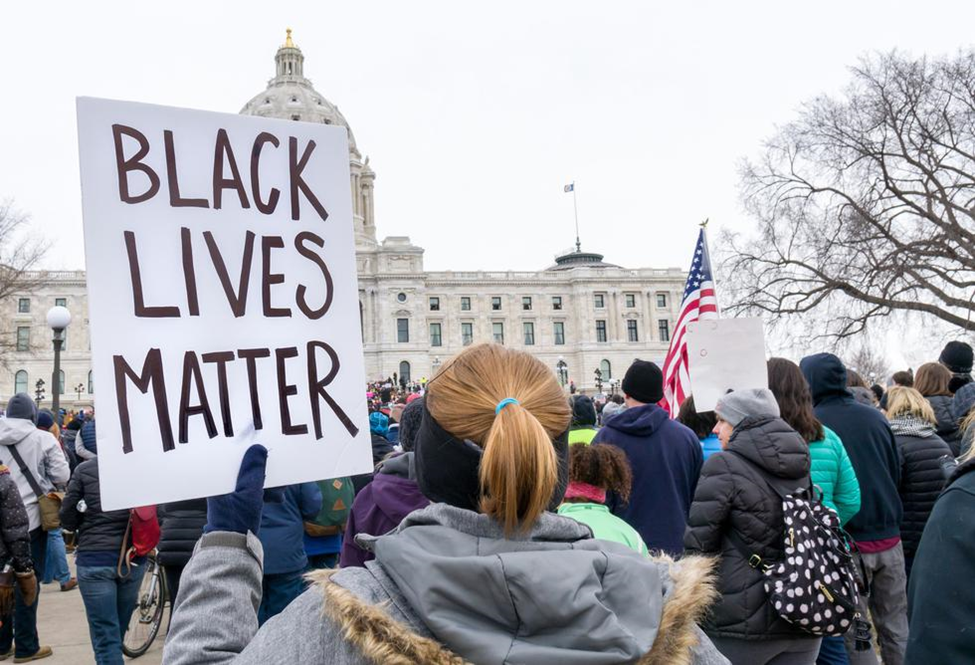
As Black History Month comes to an end, it’s important to reflect on the progress and struggles of the black community in America. But more importantly, we must look towards the future and address the pressing issues facing black people in this country. In this future, the resilience, creativity, and contributions of African Americans shape a more equitable and inclusive America. This month serves as a reminder of the struggles endured and the triumphs achieved, fueling our collective journey toward justice and equality. Yet, as we celebrate the strides made, we are aware of the challenges that persist, particularly in realms like housing discrimination, economic disparities, and systemic racism. Thus, the future of Black people in America is a narrative of resilience and determination, a story of progress tempered by the unyielding resolve to confront and overcome the barriers that obstruct the path to true equality. In exploring this future, we embark on a journey of introspection, advocacy, and action—a journey guided by the unwavering belief that, together, we can create a future where every individual, regardless of race, has the opportunity to thrive and succeed. ✊🏾🌟 The Legacy of Resilience and Achievement African Americans have a rich history of overcoming systematic oppression and never giving up on their relentless pursuit of justice and equality. The abolition of slavery in January 31,1985 through the 13th Amendment to the U.S. Constitution, the civil rights movement, and the ongoing fight against systemic racism are milestones that underscore a journey of remarkable courage and determination. These historical moments have not only shaped the identity and culture of Black Americans but have also forged a path toward a more inclusive and just society. 📜🌟 As we consider the future, it is essential to recognize that the legacy of African Americans is a foundation upon which progress is built. The achievements of Black individuals in fields such as science, literature, politics, and business continue to break barriers and challenge stereotypes, serving as a beacon of inspiration for future generations. 🚀🌈 Addressing Persistent Challenges Despite significant strides toward equality, African Americans continue to face systemic barriers that impede progress. Economic disparities, unequal access to quality education and healthcare, and the ongoing battle against racial discrimination are stark reminders of the work that remains to be done. 💼📚 The wealth gap between Black and white families is a critical issue that underscores the economic challenges facing African Americans. This disparity is not merely a reflection of individual circumstances but a consequence of historical injustices and systemic biases that have restricted access to opportunities and resources for generations. 💰📉 Moreover, the criminal justice system continues to disproportionately impact Black communities, with higher rates of incarceration and police violence that perpetuate cycles of disadvantage and marginalization. Addressing these systemic issues is paramount in shaping a future that affords dignity, justice, and equal opportunities to all. ⚖️🛡️ Envisioning a Future of Equality and Opportunity The future of Black people in America is intrinsically linked to the nation’s commitment to fostering an environment of equality and opportunity. This vision entails dismantling systemic barriers, promoting inclusivity, and ensuring that the contributions and potential of African Americans are recognized and valued. 🌟👩🏿🎓 Education plays a pivotal role in shaping this future. By investing in quality education that is accessible to all, regardless of socioeconomic background, we can empower the next generation of Black leaders, innovators, and thinkers. Education is not only a pathway to economic mobility but also a means of cultivating a deeper understanding of cultural identity and history. 📚🎓 Economic empowerment is equally critical. Supporting Black-owned businesses, promoting financial literacy, and ensuring equitable access to employment opportunities are steps toward closing the wealth gap and building a more prosperous future for African Americans. 💼💡 In the realm of social justice, reforming the criminal justice system and addressing racial biases are essential to safeguarding the rights and dignity of Black individuals. This includes efforts to end mass incarceration, promote fair sentencing practices, and ensure equitable treatment by law enforcement. ⚖️👮🏿♂️ The Role of Solidarity and Community The future of Black people in America is not a journey to be undertaken in isolation. It requires the solidarity and support of allies across racial and ethnic lines. By fostering an environment of mutual respect and understanding, we can collectively address the challenges that hinder progress. 🤝🌍 Community engagement and activism continue to be powerful tools in advocating for change. Organizations such as the NAACP and the National Association of Real Estate Brokers (NAREB) play a crucial role in this endeavor, championing the cause of fair housing and economic justice. 🏠🏢 As we look to the future, it is clear that the path to equality and justice is ongoing. Black History Month serves not only as a time of reflection but also as a call to action. It is a reminder of the responsibility we all share in creating a society where the dream of equality becomes a reality for every American. 📢🕊️ The future of Black people in America is one of promise and potential. By building on the legacy of those who came before us and confronting the challenges that lie ahead, we can forge a future that reflects the best of what America can be—a nation where freedom, justice, and opportunity know no bounds. 🌟🇺🇸 The journey towards equality and equity for African Americans is a testament to the resilience and tenacity of the human spirit. As we continue to navigate the complexities of this journey, let us remain committed to the principles of justice, solidarity, and community. Together, we can create a future that honors the contributions of African Americans and upholds the values of equality and inclusivity for all. 🌈✊🏿 Unlock your full potential in Real Estate or Business today! Connect with Eric Lawrence Frazier MBA via telephone or video for a personalized consultation. Let’s promote black homeownership and let’s empower communities together. Your Power Is Now – seize it! 🏡👔💼 Eric Lawrence Frazier MBA President | CEO |
Black History Month Part 4: Part IV: Defensiveness is not acceptance

Imagine walking on an unleveled playground where some kids have a head start because of benefits they didn’t earn—this reflects the reality facing many minority groups dealing with systemic racism and white privilege. Instead of embracing these facts, some people resist, holding onto defense like armor to dodge responsibility. Now, let’s discuss a common misunderstanding among white folks: believing they face attacks for recognizing past inequality. But acknowledging history’s unfairness doesn’t mean being personally blamed or guilty; rather, it means confronting an unpleasant truth. Feeling threatened when old ideas are questioned is normal, but refusing to accept the truth hinders progress toward equality. Understanding white privilege isn’t attacking white people; it’s just admitting an uncomfortable fact about society. 🤔 White People are Not under Attack A common misinterpretation of Black History Month and the discussions it sparks is the notion that it represents an attack on white people. This perspective is rooted in a fundamental misunderstanding of the observance’s goals. Black History Month is not about casting blame or generating guilt but about fostering a deeper understanding of the complex tapestry of American history, which includes acknowledging the injustices and systemic barriers that African Americans have faced. 📚 The discomfort felt by some white individuals during conversations about race and history often stems from a perceived threat to their personal identity or societal status. However, it’s imperative to distinguish between feeling uncomfortable and being under attack. Black History Month serves as an invitation to engage with, rather than retreat from, the uncomfortable realities of our shared history, enabling us to move forward together in a more inclusive and equitable society. 🌟 White Privilege is Being Called into Question, and here’s why The concept of white privilege is frequently misunderstood, leading to defensiveness and rejection of the term. White privilege does not imply that all white individuals have led lives of unearned luxury or that they have not faced hardships. Instead, it acknowledges that the color of their skin has not been a source of systemic barriers or discrimination that impedes their opportunities in life. 🤝 Black History Month and the broader discourse on racial equality shine a light on how societal structures, institutions, and historical legacies have disproportionately benefited white individuals. By calling white privilege into question, the aim is not to induce guilt but to encourage awareness and understanding of how these unearned advantages contribute to ongoing disparities in opportunities, treatment, and outcomes for people of color. Recognizing white privilege is a crucial step in the journey toward dismantling systemic racism and building a society that truly upholds the ideals of equality and justice for all. 🌍 Systemic Racism has nothing to do with Meritocracy and Individualism One of the most pervasive myths in American society is the belief that it operates solely on principles of meritocracy and individualism, where anyone can succeed if they work hard enough. This narrative, while appealing, fails to account for the systemic racism that has historically disadvantaged African Americans and other people of color. Systemic racism is embedded within the very structures of our society, influencing institutions, policies, and practices in ways that produce unequal outcomes based on race. 🚦 Acknowledging systemic racism does not negate the importance of individual effort or the achievements of those who have overcome significant obstacles. Instead, it highlights the need to address and rectify the structural barriers that make such success stories the exception rather than the norm for many African Americans. By understanding that systemic racism and the ideals of meritocracy and individualism are not mutually exclusive, we can work towards creating a society that genuinely rewards hard work and talent, irrespective of race. 🌟 Acknowledging Structural Barriers that Have Historically Disadvantaged African Americans The history of African Americans is marked by extraordinary resilience and contributions despite facing profound challenges. From the horrors of slavery and Jim Crow laws to modern-day systemic inequalities in education, employment, housing, and the criminal justice system, these structural barriers have deeply impacted the lives and opportunities of African Americans. 📉 Acknowledging these barriers is not an exercise in assigning blame but a necessary step toward understanding the full scope of American history and the persistent inequalities that continue to affect African American communities. By recognizing and addressing these systemic issues, we can work towards dismantling the barriers that hinder the full participation and success of African Americans in every aspect of American life. 🌆 This month challenges us to look beyond defensiveness and discomfort, to embrace a fuller understanding of our shared history and its implications for the present and future. In doing so, we acknowledge that the path toward racial justice and equality is a collective journey, requiring the engagement and commitment of all Americans. By recognizing the systemic barriers that have historically disadvantaged African Americans and working together to dismantle them, we step closer to realizing a society that truly embodies the ideals of liberty and justice for all. This journey, marked by both reflection and action, underscores the enduring importance of Black History Month as a cornerstone of American consciousness, urging us to build on its legacy to create a more inclusive and equitable nation. 🌟 Unlock your full potential in Real Estate or Business today! Connect with Eric Lawrence Frazier MBA via telephone or video for a personalized consultation. Let’s promote black homeownership and empower communities together. Your Power Is Now – seize it! 💼 Eric Lawrence Frazier MBA President | CEO | Advisor Real Estate | Mortgage | Business | Media | Marketing The Power Is Now Media Inc. 800-401-8994 Direct: 800-401-8994 CA DRE: 01143484 NMLS: 461807 Appointment Calendars: Homebuyer consultation: https://api.leadconnectorhq.com/widget/booking/gD0BP7mVAhCnjkTLUo95 Homeseller consultation: https://api.leadconnectorhq.com/widget/booking/uEBTPbP2YZQ9ZqhEjCMD Real Estate Agent Consultation: https://api.leadconnectorhq.com/widget/booking/2cuMPKDRhSxGXEiUiEBL About The Power Is Now Media: https://www.thepowerisnow.com/about
Black History Month Part 3: White Guilt
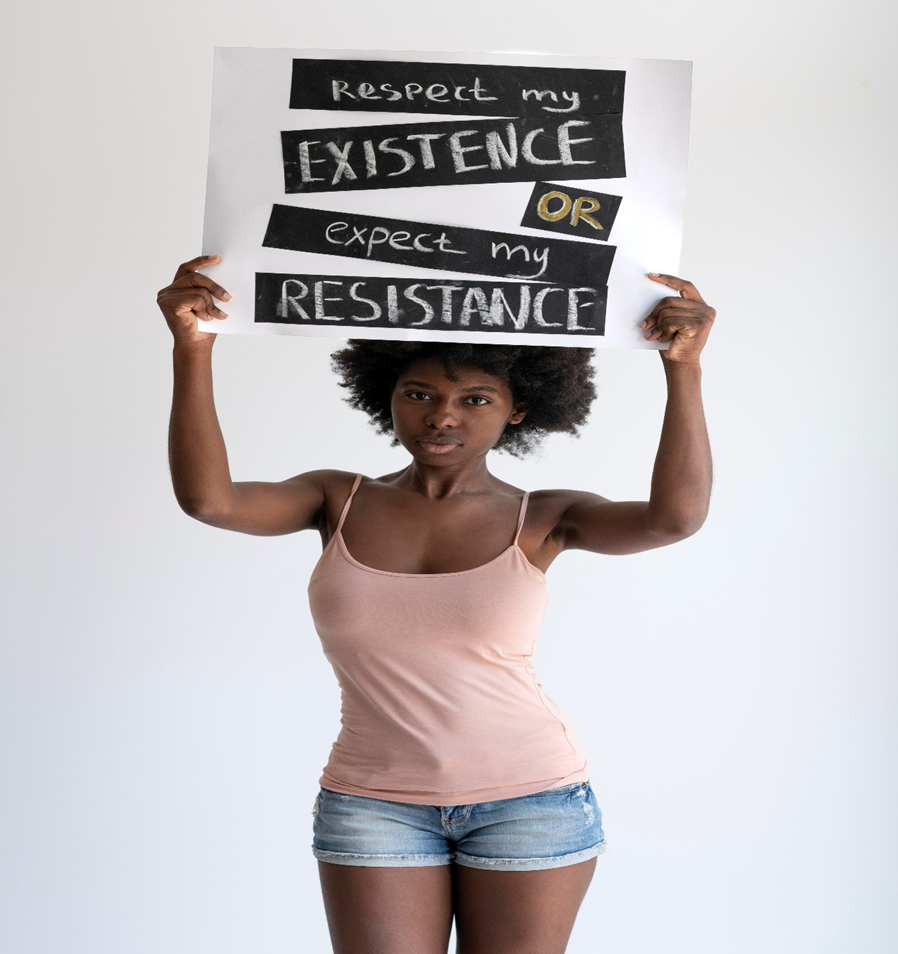
Confronting White Guilt: Embracing Acceptance and Healing During Black History Month The chapters that describe the history of slavery and institutionalized racial discrimination are particularly notable for their extreme injustice and suffering within the extensive and diverse American history. As we explore deeper into the past of the country, the eerie residue of these eras continues to loom large over modern culture. Black History Month stands out as a crucial holiday that forces us to confront the long-lasting effects of racial injustice by bringing these very painful realities to light. This yearly celebration not only recognizes the noteworthy accomplishments and tenacity of African Americans, but it also forces us to confront and resolve the enduring systemic injustices, reinforcing the need for introspection, learning, and practical dedication to a fairer future. 📜✊🏾 The Painful History of Slavery and Racial Discrimination The Transatlantic Slave Trade stands as a stark testament to humanity’s capacity for cruelty. For centuries, millions of Africans were torn from their homes, shackled in chains, and subjected to unspeakable horrors as they were forcibly transported across the Atlantic to toil in the fields of the New World. The scars of this brutal institution run deep, leaving an indelible mark on the fabric of American society. ⛓️ Slavery was not merely an economic institution; it was a system of dehumanization and exploitation that stripped individuals of their dignity and denied them the most fundamental of human rights. Families were torn apart, cultures were erased, and generations were consigned to lives of servitude based solely on the color of their skin. 🚫👨👩👧👦 Even after the abolition of slavery, the specter of racial discrimination continued to haunt the nation. Jim Crow laws institutionalized segregation and inequality, relegating African Americans to second-class citizenship and denying them access to the same opportunities afforded to their white counterparts. The scars of this era are still visible today, etched into the socioeconomic fabric of American society. 🧍🏾♂️🚫 The Uncomfortable Truths About the Country’s Past and the Legacy of Racial Injustice Confronting the uncomfortable truths of our country’s past requires us to acknowledge the deep-seated roots of racial injustice that continue to shape our society today. The legacy of slavery and segregation casts a long shadow over contemporary America, manifesting in stark racial disparities in areas such as education, employment, healthcare, and criminal justice. 📚🔍 Despite the progress made in the struggle for civil rights, systemic racism persists, perpetuating cycles of poverty, inequality, and disenfranchisement within African American communities. From disparities in educational attainment and economic opportunity to disproportionate rates of police brutality and mass incarceration, the legacy of racial injustice continues to exert a profound impact on the lived experiences of Black Americans. 📉👮🏿♂️ The Implications of Privilege and Its Complicity in Systems of Oppression Privilege is a concept that often elicits discomfort and defensiveness, particularly among those who benefit from its invisible advantages. White privilege, in particular, refers to the societal advantages that white people inherently enjoy as a result of their race, often at the expense of people of color. 👀💭 Acknowledging one’s privilege can be a deeply unsettling experience, as it forces individuals to confront the ways in which they have benefited from systems of oppression and inequality. It requires recognizing that success and opportunity are not purely a result of merit, but are often contingent upon factors such as race, class, and social background. 📉👩⚖️ Furthermore, privilege carries with it a responsibility to challenge and dismantle the systems of oppression that perpetuate inequality and injustice. This requires actively confronting one’s own biases, amplifying marginalized voices, and advocating for meaningful change within our institutions and communities. 🗣️🛠️ Guilt as Resistance to Black History Month, Acceptance Lights the Path to Healing The discomfort and guilt that accompany discussions of privilege and racial injustice can often manifest as resistance to initiatives such as Black History Month. For some, the recognition of Black achievements and contributions serves as a stark reminder of the inequalities that persist within society, prompting feelings of guilt or discomfort. 🤔❌ However, it is essential to recognize that guilt alone is not enough. Guilt without action serves only to perpetuate the status quo, allowing systemic injustices to persist unchecked. True progress requires moving beyond guilt towards acceptance and accountability, acknowledging the role that each of us plays in either upholding or dismantling systems of oppression. ✅🛤️ Acceptance is not merely about acknowledging the past; it is about actively engaging in the work of reconciliation and healing. It is about listening to the voices of those who have been marginalized and working to amplify their stories and experiences. It is about challenging ourselves to do better, to be better, and to create a more just and equitable society for future generations. 🤝🏿🌍 Confronting white guilt requires us to confront the uncomfortable truths of our collective history and acknowledge the ways in which privilege and complicity have perpetuated systems of oppression. However, it is only through acceptance and action that we can begin to heal the wounds of the past and move towards a more equitable future. During Black History Month and beyond, let us embrace the opportunity to listen, learn, and work together toward a more just and inclusive society for all. 📆👂🏿📚 Unlock your full potential in Real Estate or Business today! Connect with Eric Lawrence Frazier MBA via telephone or video for a personalized consultation. Let’s promote black homeownership and let’s empower communities together. Your Power Is Now – seize it 🏠📈👊🏾 Unlock your full potential in Real Estate or Business today! Connect with Eric Lawrence Frazier MBA via telephone or video for a personalized consultation. Let’s promote black homeownership and let’s empower communities together. Your Power Is Now – seize it Eric Lawrence Frazier MBA President | CEO | Advisor Real Estate | Mortgage | Business | Media | Marketing The Power Is Now Media Inc. 800-401-8994 Direct: 800-401-8994 CA DRE: 01143484 NMLS: 461807 Appointment Calendars: Homebuyer consultation: https://api.leadconnectorhq.com/widget/booking/gD0BP7mVAhCnjkTLUo95 Homeseller consultation: https://api.leadconnectorhq.com/widget/booking/uEBTPbP2YZQ9ZqhEjCMD Real Estate Agent Consultation: https://api.leadconnectorhq.com/widget/booking/2cuMPKDRhSxGXEiUiEBL About The
Black History Month Part 2: Why universal acceptance is Necessary
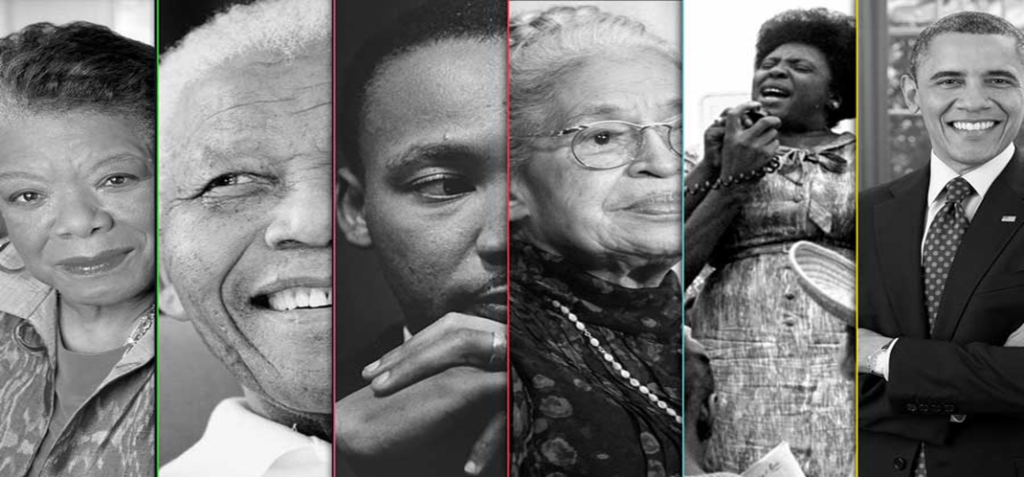
In a culturally and historically rich nation such as the United States, the universal acceptance of Black History Month is a cornerstone in the journey toward a more inclusive and equitable society. Every February, this observance offers us an invaluable opportunity to reflect on African Americans’ profound contributions, relentless struggles, and vibrant heritage, whose narratives have been intricately woven into our nation’s history. Yet, despite its significance, the celebration and recognition of Black history often face challenges of marginalization and oversight, leaving many pivotal achievements and stories untold. 🌟 As we embark on a deeper exploration of the myriad ways in which Black Americans have shaped our legal, medical, business, technological, entertainment, sports, and political landscapes, it becomes clear that acknowledging and valuing these contributions is not just an act of remembrance, but a crucial step toward dismantling the systemic barriers that persist. Universal acceptance of Black History Month is not merely about dedicating a month to recognizing Black excellence and resilience; it is about weaving this acknowledgment into the essence of our collective consciousness, ensuring that the full spectrum of American history is embraced and celebrated year-round. 🚀 Imagine if you never learned about the significant legal contributions of Thurgood Marshall, the groundbreaking surgical techniques of Dr. Daniel Hale Williams, or the powerful cultural impact of individuals like Michael Jordan, Tyler Perry, Oprah Winfrey, and Barack Obama. Also, consider the achievements of business leaders such as Robert F. Smith and Earvin “Magic” Johnson, who became MLB’s first black team owner. These examples are just a small glimpse of the vast amount of black excellence and accomplishments that exist. 💼 At the same time, we need to address how systemic discrimination and inequality have influenced the black experience over time. Police brutality, mass incarceration, inadequate education, employment bias, disparities in healthcare access, and the racial wealth gap all stem from historical injustices. 🛑 Embracing this comprehensive narrative of our history is crucial for fostering social progress. This approach acknowledges the humanity and perseverance of countless Americans, linking their challenges to current inequalities. It also underscores how diversity remains a source of strength in our society. In this blog, we will discuss the importance of accepting Black history and the impact that Black people have had on Law, Medicine, Business, Tech, Sports, Entertainment, and Politics. 📚 Law ⚖️ Black Americans have played a significant role in the legal profession, with individuals like Macon Bolling Allen and Charlotte E. Ray breaking barriers and paving the way for future Black lawyers. Notable figures such as Charles Hamilton Houston, Thurgood Marshall, Johnnie Cochran, and Anita Hill have also made important contributions to the field. Thurgood Marshall, in particular, played an instrumental role in the fight for civil rights, with his victory in Brown v. Board of Education leading to the desegregation of schools and impacting American legal practices. Despite these accomplishments, the proportion of African American attorneys has stayed constant at 5% of the legal field for the last ten years. This lack of representation is troubling, particularly when considering that African Americans account for 13% of the U.S. population. Steps are being taken to narrow this disparity and assist prospective Black attorneys by tackling systemic entry obstacles, offering prospects for young legal professionals, and advocating for diversity in law schools and practices. Increasing diversity in the legal profession is important because having representation from different backgrounds is necessary. Black lawyers are crucial in creating a justice system that is fair for everyone and challenging stereotypes that perpetuate racial discrimination. It is essential to have Black lawyers in courtrooms and legal environments to ensure that the justice system is fair and just for all members of diverse communities. Medicine 🩺 The medical field has had its share of issues when it comes to racial discrimination and institutional racism. Black Americans have been disproportionately affected by systematic racism in healthcare, resulting in undertreatment for pain compared to white patients. In 1893, Dr. Daniel Hale Williams pioneered open-heart surgery, demonstrating Black medical brilliance and opening the door for further developments in cardiac treatment. The American Medical Association (AMA) has taken action to address its legacy of discrimination by launching projects to lessen inequities and publishing reports on racial disparities in health care. Business and real estate 💼🏠 Black Americans have played a significant role in business and real estate. Black-owned businesses are crucial for the vitality of both our national and local economies. Recent trends indicate a growth in Black-owned businesses, with Black individuals making up 14.2% of the U.S. population but only 2.4% of all employer-firm owners in 2020. Entrepreneurs like Robert F. Smith exemplify the entrepreneurial drive and creativity within the community, challenging stereotypes and enriching the business world with diversity and innovation. In real estate, despite historical challenges such as slavery, segregation, and racism, Black Americans have contributed as craftsmen, financiers, designers, builders, and developers to the nation’s development. For instance, H.J. Russell, a Black entrepreneur, established a successful construction enterprise and became the first Black member of the Metro Atlanta Chamber of Commerce. Biddy Mason, born into slavery, achieved her freedom and utilized her earnings from midwifery to invest in property in downtown Los Angeles, becoming a renowned philanthropist and owning prime real estate in the city. The lack of investment in Black-majority communities has repercussions for the ability of locally owned Black businesses to foster inclusive growth and employment opportunities. Nonetheless, Black-owned firms generated an estimated $141.1 billion (about $430 per person in the US) in gross revenue in 2020—an 11% increase since 2017. These businesses typically create more avenues for individuals of color and contribute to the development of more equitable regional economies. 📈 Tech 💻 The tech industry has a notable lack of representation of Black Americans, as only 8 percent of tech employees are Black, despite comprising 12 percent of the US workforce. The wage disparity in tech positions is projected to increase by nearly 37 percent, from $37.5 billion in 2023 to $51.3 billion in annual
Unveiling the Importance of Black History Month: A Tribute to Resilience and Achievement
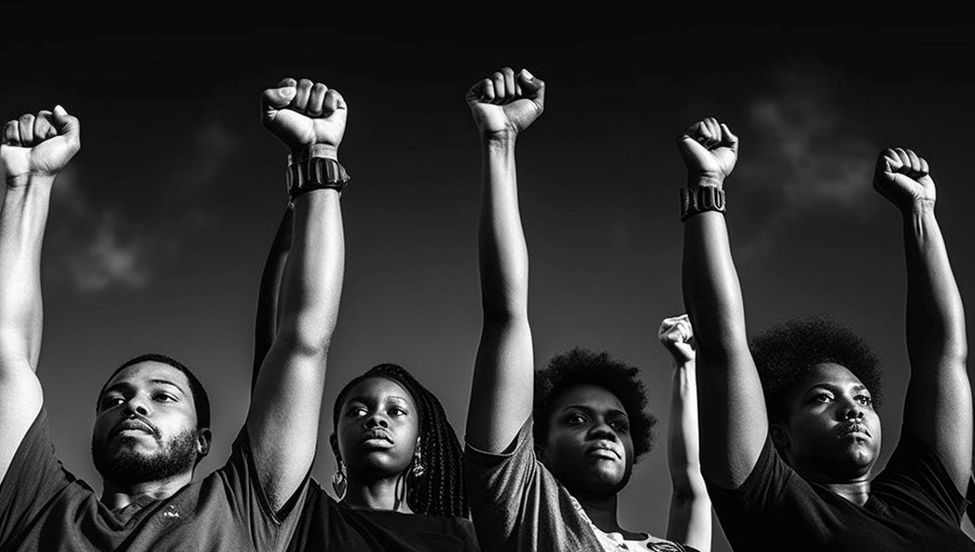
In the fabric of American history 🇺🇸, few observances are as significant and yet as misunderstood as Black History Month. Known formally as African American History Month, this annual celebration in February 🗓️ is dedicated to recognizing and honoring the profound contributions and achievements of African Americans throughout U.S. history. The essence of this celebration is not merely about dedicating a portion of the calendar to a specific demographic but is a profound acknowledgment of the indelible impact that African Americans have made on the nation’s history, culture, and identity. The Genesis of Black History Month 🌱 The origins of Black History Month can be traced back to a pivotal moment in American history, a half-century after the Thirteenth Amendment abolished slavery in the United States. In 1915, two visionary figures emerged: Carter G. Woodson, a historian with a Harvard pedigree 🎓, and Jesse E. Moorland, a minister known for his prominence. Together, they established the Association for the Study of Negro Life and History (ASNLH), setting forth on a mission to research, promote, and celebrate the achievements of Black Americans and others of African descent. This initiative bore fruit in 1926 with the inauguration of Negro History Week by the ASNLH. The second week of February was strategically chosen for its significance, aligning with the birthdays of Abraham Lincoln and Frederick Douglass 🎂, two figures whose lives were intimately connected with the abolition of slavery and the quest for civil rights. This week-long observance catalyzed a series of local celebrations, educational events, and the establishment of history clubs across the nation, gradually garnering the support of city mayors through annual proclamations. The transition from a week to a month-long celebration was significantly influenced by the civil rights movement and the burgeoning awareness of Black identity in the late 1960s. This evolution culminated in 1976 when President Gerald Ford officially recognized February as Black History Month, calling upon the American public to recognize and honor the often-overlooked achievements of Black Americans across all sectors of society. Navigating the Complex Reception of Black History Month Despite its noble intentions and widespread acknowledgment, Black History Month has not been universally embraced. A segment of the white population has expressed discomfort or even opposition towards this observance, rooted in a variety of factors: Misunderstanding: the misunderstanding surrounding Black History Month’s purpose is a significant barrier to its universal acceptance. Some individuals perceive it as exclusionary or unnecessary, failing to grasp its essential role in promoting inclusivity and a more comprehensive understanding of American history. This misunderstanding often stems from a lack of exposure to diverse perspectives and a limited understanding of the systemic inequalities that have shaped the experiences of African Americans throughout history. By failing to recognize the importance of acknowledging and celebrating Black history, these individuals inadvertently contribute to the perpetuation of historical biases and stereotypes. Fear of Guilt: The painful history of slavery and racial discrimination in the United States remains a deeply sensitive subject for many people, particularly those from the white community. Black History Month serves as a potent reminder of this history, forcing individuals to confront uncomfortable truths about the country’s past and its enduring legacy of racial injustice. For some, this confrontation elicits feelings of guilt or discomfort, as they grapple with the implications of their privilege and complicity in systems of oppression. This discomfort often manifests as resistance or opposition to Black History Month, as individuals seek to distance themselves from the uncomfortable realities it brings to light. Defensiveness: The focus on systemic racism and the ongoing struggle for equality during Black History Month can trigger defensiveness among individuals who feel personally attacked or implicated in these discussions about racial injustice. This defensiveness is often rooted in a fear of having one’s privilege or complicity called into question, leading individuals to dismiss or downplay the significance of Black History Month as a means of preserving their sense of comfort or security. Additionally, the emphasis on systemic racism can challenge deeply held beliefs about meritocracy and individualism, leading some individuals to resist acknowledging the structural barriers that have historically disadvantaged African Americans. The Forced Journey and Resilience of Black Americans 🌟 The narrative of Black Americans is characterized by a harrowing journey of forceful displacement and remarkable resilience. The Transatlantic Slave Trade marks one of the darkest periods in human history, with millions of Africans being forcibly uprooted from their homelands and subjected to unimaginable suffering 🛳️. The institution of slavery in America entrenched a system of brutal labor, dehumanization, and family separations, against which Black people mounted formidable resistance. This period of American history also highlights the pivotal roles played by abolitionists such as Harriet Tubman, Sojourner Truth, and Frederick Douglass, whose efforts were instrumental in the fight against slavery and the eventual ratification of the Thirteenth Amendment in 1865, abolishing slavery. The Continuing Journey 🛤️ As we reflect on the origins and significance of Black History Month, it becomes evident that this observance is not just about looking back at the past but also about recognizing the ongoing journey toward equality and justice. Black History Month offers an opportunity to celebrate the resilience, creativity, and contributions of Black Americans, acknowledging their role in shaping the American narrative. However, it also serves as a reminder of the work that remains to be done in addressing systemic racism and ensuring equality for all. By educating ourselves and engaging in meaningful conversations about Black history and its impact on present-day America, we can move closer to a society where the achievements and contributions of all its members are recognized and celebrated. In the subsequent installments of this series, we will dive deeper into specific aspects of Black history, including the impact of the civil rights movement and the profiles of influential figures who have shaped the quest for civil rights and social justice. Through this exploration, we aim to provide a comprehensive understanding of the rich tapestry of Black history and its profound impact on the