
Fair Housing Series Part 2: Understanding the Fair Housing Act
fairhousing pic e1652822921982 287x300

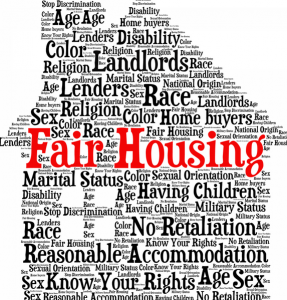
In the world of real estate, where dreams of homeownership ???? and the quest for the perfect rental intertwine, the Fair Housing Act ???? emerges as a cornerstone of equality and justice ⚖️. Celebrated in April ????, Fair Housing Month offers a poignant reminder of our collective journey towards an inclusive housing market, underpinned by the principles of the Fair Housing Act. This piece endeavors to unfold the layers of this significant legislation, offering insights into its key provisions, historical evolution, and its undeniable impact on eradicating discrimination in housing. Join us on this informative exploration to deepen our understanding of the Fair Housing Act and appreciate its vital role in shaping a fair and equitable housing landscape. Unpacking the Fair Housing ActThe Fair Housing Act is a powerful legislative framework designed to combat discrimination and promote equal housing opportunities for all, irrespective of race ????, color, religion ✝️☪️✡️, sex ????, national origin ????, disability ♿, or familial status ????‍????‍????‍????. It seeks to ensure that everyone can navigate the housing market—whether buying, renting, or financing—without facing prejudice or bias. The first Fair Housing Act passed by Congress was the Civil Rights Act of 1866. It was enacted on April 9, 1866, just after the abolition of slavery in the United States ????????. The Civil Rights Act of 1866 aimed to grant citizenship and equal rights to all individuals, regardless of race or color ????. It included provisions related to property rights, stating that all citizens have the same property rights as white citizens. The Fair Housing Act of 1968, also known as Title VIII of the Civil Rights Act of 1968, is a significant piece of legislation that aimed to address discrimination in the housing market ????. It built upon the foundation laid by the Civil Rights Act of 1866 and other civil rights legislation that followed. The 1968 Fair Housing Act expanded upon the protections provided in the earlier acts and prohibited discrimination in the sale, rental, and financing of housing based on race, color, religion, or national origin ????. The correlation between the Civil Rights Act of 1866 and the Fair Housing Act of 1968 lies in their shared goal of promoting equality and combating discrimination ????. Both acts were instrumental in advancing civil rights and expanding protections for marginalized communities. While the Civil Rights Act of 1866 laid the groundwork for property rights and equal treatment under the law, the Fair Housing Act of 1968 specifically targeted housing discrimination as a key issue that needed to be addressed to ensure fair and equal access to housing opportunities for all Americans ????️.Together, these two acts represent important milestones in the ongoing struggle for civil rights and social justice in the United States ????. They demonstrate the evolution of legislation aimed at protecting the rights and opportunities of historically marginalized groups and reflect the ongoing efforts to create a more inclusive and equitable society ????. Key Provisions and Their ImplicationsThe Act’s provisions are meticulously crafted to foster an environment of fairness and inclusivity: Ban on Discrimination: This fundamental provision outlaws discrimination in the sale, rental, and financing of dwellings based on protected characteristics. It extends to prohibiting discrimination in advertising, offering a robust protection mechanism for prospective homeowners and renters ????. Accommodations for Disabilities: The Act mandates reasonable accommodations in policies and practices to ensure that individuals with disabilities have equal opportunities to enjoy housing. This includes permitting modifications to dwellings and common-use areas at the tenant’s expense ????‍????. Design and Construction Standards: For newer properties (post-March 1991), the Act sets forth accessibility requirements. These standards are crucial for ensuring that residences are accessible to individuals with disabilities, promoting both inclusivity and practicality in housing design ????️. The Evolutionary Path of AmendmentsThe Fair Housing Act has undergone significant amendments, each broadening its scope and reinforcing its commitment to fairness:  1974 Amendment: By including gender as a protected category, this amendment made it clear that discrimination based on sex would not be tolerated, marking a significant stride towards gender equality in housing ????????. 1988 Amendments: These amendments were particularly transformative, introducing disability and familial status as protected categories and strengthening enforcement mechanisms. They also broadened the Act’s scope to encompass the entire housing process, from financing to appraisal, significantly enhancing its protective reach ????.  Combatting Discrimination: The Act in ActionThe enactment of the Fair Housing Act has been a game-changer in the battle against housing discrimination. Through its provisions, individuals facing discrimination now have a legal avenue to seek justice. The Department of Housing and Urban Development (HUD) plays a pivotal role in enforcing the Act, investigating complaints, and ensuring that violators are held accountable. The Act not only provides for monetary damages to victims but also mandates corrective actions by housing providers, fostering a more equitable housing market ????????️. A Continuous Journey Towards EqualityDespite the progress made, the quest for a discrimination-free housing market is ongoing. Challenges persist, necessitating continuous vigilance and advocacy to safeguard and advance fair housing rights. We must remain committed to understanding and enforcing the Fair Housing Act, leveraging its framework to dismantle barriers and promote inclusivity in every facet of the housing industry ????. A Reflection on Our Shared FutureAs Fair Housing Month draws our attention to the principles of equity and justice embedded in the Fair Housing Act, we are reminded of the power of legislation in shaping societal norms and fostering an environment of inclusivity. The Act not only reflects our collective aspiration for a fair housing market but also embodies a broader commitment to equality and human dignity. By delving into the nuances of the Fair Housing Act, we not only honor its legacy but also recommit ourselves to the ongoing work of building a society where access to housing is governed by fairness, not prejudice ????. In embracing the spirit of the Fair Housing Act, we pave the way for a future where the dream of homeownership and the right to fair housing is accessible to all, transcending differences and

Fair Housing Series Part 1: What is Fair Housing Month?

imgonline com ua convertfem6ozxwmcoj

Imagine a world where everyone has the equal opportunity to secure a home they love, in a community they cherish, without facing discrimination. April stands out as a beacon of hope and progress in the real estate industry, marking Fair Housing Month ????????. This period is more than just a calendar event; it’s a celebration of the strides taken toward creating inclusive communities and ensuring equal housing opportunities for all. This month reminds us of the journey from a segregated to a more inclusive society, where the dream of homeownership is accessible to everyone, regardless of race, religion, or background. The Genesis of Fair Housing Month Fair Housing Month has its roots in the civil rights movement, a pivotal era that reshaped America’s social and legal landscape. The Fair Housing Act, enacted on April 11, 1968, was a landmark legislation to eliminate discrimination in the housing sector. This act was not just another law on the books; it was a revolutionary step toward eradicating racial segregation and promoting equality in housing ✊????✊????✊????. The Fair Housing Act of 1968 ????, also known as Title VIII of the Civil Rights Act of 1968, was a landmark piece of legislation that aimed to address discrimination in the housing market ????????. The Act prohibited discrimination in the sale, rental, and financing of housing based on race ????, color ????, religion ✝️☪️✡️, or national origin ????. This was a significant step towards promoting equal housing opportunities for all Americans ????????????. The death of Dr. Martin Luther King Jr. ????️ on April 4, 1968, was a tragic event that had a profound impact on the civil rights movement and the nation as a whole ????????. Dr. King was a prominent civil rights leader who advocated for racial equality and social justice ⚖️????. His assassination sparked widespread outrage and protests across the country ????????✊, highlighting the urgent need for continued efforts to combat racism and discrimination ????????. Following Dr. King’s assassination, there was increased pressure on the government to take action to address racial inequality and injustice ✊????. Just a week after Dr. King’s death, President Lyndon B. Johnson signed the Fair Housing Act into law on April 11, 1968 ????️????. The timing of the passage of this legislation so soon after Dr. King’s assassination was not coincidental; it was a direct response to the calls for justice and equality that reverberated throughout the nation in the wake of his death ????➡️????.In this context, the Fair Housing Act of 1968 can be seen as a part of the ongoing struggle for civil rights and social justice that was championed by Dr. King and other activists of the time ✊????????️. The Act represented a legislative victory in the fight against housing discrimination and was a testament to the enduring legacy of Dr. King’s work in advancing the cause of equality for all ????????????.The Importance of Observing Fair Housing Month Observing Fair Housing Month serves multiple purposes. Primarily, it is an annual reminder of the commitment to continue the fight against housing discrimination and segregation. It’s a time to reflect on the progress made and to recognize the work that still needs to be done to ensure fair housing practices are upheld ????. This month also serves as an educational period, increasing awareness among homeowners, renters, and real estate professionals about their rights and responsibilities under the Fair Housing Act. It’s an opportunity for communities to come together, learn from past injustices, and work towards creating a more equitable housing market ????????. Impact of Fair Housing Laws on CommunitiesThe Fair Housing Act has had a profound impact on communities across the nation. By promoting equal housing opportunities, it has contributed to the development of more diverse and inclusive neighborhoods. This diversity enriches communities, fostering an environment where people from different backgrounds can learn from each other and live harmoniously ????❤️. Moreover, the enforcement of fair housing laws has played a critical role in combating housing discrimination and reducing instances of segregation. It has opened doors for many to access better education, employment opportunities, and healthcare by allowing them to live in communities previously out of reach due to discriminatory practices ????????????. Educational Initiatives and Awareness Campaigns In honor of Fair Housing Month each April ????, organizations such as the CAR California Association ????, the National Association of REALTORS® ????, the National Association of Real Estate Brokers ????️, and the NAACP ???? play a pivotal role in promoting educational initiatives and awareness campaigns to underscore the significance of fair housing ???? and the 1968 Fair Housing Act ????.Among these organizations, the National Association of Real Estate Brokers stands out as the pioneer ???? in championing fair housing rights, dating back to its inception in 1947. With a long history of advocating for democracy ????️ and housing equality ⚖️, the association embraced the 1968 Fair Housing Act and initiated the annual Realtor Week in April ????️. This program serves as a platform to promote fair housing practices and advance homeownership education ????.To learn more about the impactful work of these organizations in support of the Fair Housing Act, please explore their websites: CAR www.car.org ????, NAR https://www.nar.realtor ????, and NAREB www.nareb.com ????, and discover the various resources, programs, and initiatives offered to further fair housing education ???? and uphold the principles of equality in the real estate industry ????. Through workshops, seminars, and public service announcements organized during Fair Housing Month, these organizations strive to empower individuals with knowledge about their housing rights ????️ while fostering a community that rejects discrimination ???? and embraces diversity ???? in housing opportunities. Their collective efforts underscore a commitment to upholding the values of fairness and inclusivity ???? in the realm of real estate.In conclusion, Fair Housing Month is a time of reflection, education, and celebration. It commemorates the journey toward equal housing opportunities and reminds us of the importance of continuing to fight against discrimination. As we observe this month, let’s commit to promoting inclusivity, diversity, and fairness in our communities. Let’s remember that the dream of homeownership should