
Fair Housing Series Part 12: The Future of Fair Housing

silhouette looking future

April stands out in the real estate calendar, not just as a marker of time but as a period for reflection and anticipation. It’s a month dedicated to acknowledging the progress in fair housing while also preparing for the future. As we continue to move forward, the evolving landscape of fair housing presents both opportunities and challenges that could redefine access to housing for generations to come. April may be the month we recognize the Fair Housing Act, but the reality of Fair Housing is an issue that many Americans face every day.   In this twelfth installment of our Fair Housing Month series, we examine the emerging trends, future challenges, and legislative changes that promise to shape the trajectory of fair housing.The Evolving Landscape of Fair Housing ????The quest for fair housing is dynamic, influenced by technological advancements, demographic changes, and economic pressures. As we look to the future, several key trends stand poised to influence its direction. Technology’s Double-Edged Sword ????????: The advent of technology in real estate offers unprecedented opportunities for efficiency and accessibility. Online platforms and apps can streamline the home buying and renting process, making it easier for people to find housing. However, there’s a growing concern that algorithms and data analytics, if not carefully managed, could inadvertently reinforce existing biases, making it imperative to develop ethical guidelines and regulatory frameworks to prevent discrimination. Shifting Demographics and Changing Needs ????‍????‍????‍????????: The changing face of America’s communities, with increasing diversity and evolving family structures, calls for a reimagining of housing policies and practices. The industry must ensure that new housing developments are not only inclusive but also responsive to the varied needs of modern families and individuals, including multi-generational living arrangements, co-housing, and affordable housing options for the elderly. The Affordability Crisis and Economic Inequality ????????: The gap between housing costs and wage growth has left many Americans struggling to afford decent housing. This crisis is exacerbated by a shortage of affordable housing units, leading to increased homelessness and housing insecurity. Addressing this challenge requires innovative financial solutions, public-private partnerships, and policy reforms aimed at increasing the supply of affordable housing and providing financial assistance to those in need. Anticipated Legislative and Policy Changes ????????The legislative landscape around fair housing is poised for significant changes, with several key areas likely to see reforms aimed at promoting equality and accessibility in housing. Broadening Protections Against Discrimination ????️????️‍????: With discrimination still a stark reality in the housing market, there is an urgent need to expand the legal protections. This includes extending anti-discrimination laws to protect additional groups, such as the LGBTQ+ community, and enhancing enforcement mechanisms to hold violators accountable. Moreover, recognizing the changing dynamics of discrimination, there is a push toward addressing less visible forms of bias, such as algorithmic discrimination in housing advertisements and loan approvals. Fostering Affordable Housing through Legislative Initiatives ????️????: The government is exploring various legislative tools to tackle the affordability crisis. Proposals include offering tax incentives to encourage the development of affordable housing, providing grants and subsidies to low-income families, and enacting rent control measures in high-cost areas. These initiatives aim to make housing more accessible and prevent the displacement of communities due to gentrification. Innovations in Financing and Homeownership Support ????????: Recognizing the critical role of financing in the path to homeownership, policymakers are considering reforms to make credit more accessible. This includes revising credit scoring models to incorporate non-traditional credit information, promoting alternative financing options like rent-to-own programs, and providing down payment assistance to first-time homebuyers. These measures seek to level the playing field and open the door to homeownership for more Americans. Navigating the Future: Our Collective Responsibility ????????The future of fair housing is not just in the hands of policymakers and industry professionals but also depends on the engagement and advocacy of communities and individuals. As we navigate the complexities of the housing market, it’s essential to foster a culture of inclusivity, where everyone, regardless of their background, has access to safe, affordable, and equitable housing options. Community Engagement and Advocacy ????️✊: Active participation in local housing initiatives and advocacy for fair housing policies are crucial. Communities can work together to identify local needs, support affordable housing projects, and hold elected officials accountable for promoting fair housing principles. Education and Awareness ????????: Increasing awareness about fair housing rights and the challenges facing different communities can help prevent discrimination and promote inclusivity. Real estate professionals, landlords, and tenants alike should be educated about their rights and responsibilities under fair housing laws. Innovation and Collaboration ????????: Solving the complex challenges of fair housing requires innovative thinking and collaboration across sectors. Public-private partnerships, community-based initiatives, and technological innovations can all play a role in creating more equitable housing solutions. Conclusion: A Path Forward ????‍♂️????April is Fair Housing Month, and yes the month is over, but the conversation must continue. The law was passed on April 11, 1968, but let’s view it as another milestone for civil rights; the first milestone was the first Fair Housing Act of 1866 and the ongoing journey toward fair housing for all. The future holds great promise, but we have significant challenges in making housing and access to credit more accessible, and it will require collective action, innovative solutions, and a steadfast commitment to the principles of fairness and equity.The road ahead will never be without its obstacles because discrimination will always exist, but with continued effort and collaboration, we can overcome them and build a future where fair housing is a reality for everyone. Let’s carry forward the spirit of Fair Housing Month throughout the year, working tirelessly to ensure that the dream of fair, affordable, and equitable housing is within reach for every American. Embrace your future in Real Estate and champion the cause of Fair Housing today! Schedule a personalized consultation with Eric Lawrence Frazier, MBA, via phone or video. Together, let’s celebrate the strides made toward equitable housing and continue to pave the way for a more inclusive industry. Your Power Is Now – seize it and contribute to a

Fair Housing Series Part 11: Challenges in Fair Housing

overcome obstacles or motivation to solve problem and lead company achievement concept confident businessman leader jump high over challenge wall vector

The quest for fair housing ???? is a cornerstone of the real estate industry, shaping our communities and impacting lives daily. As we observe Fair Housing Month ????️, it’s vital to acknowledge not only the strides we’ve made but also the obstacles that persist.  April may be the month we recognize the Fair Housing Act, but the reality of Fair Housing is an issue that many Americans face every day. This edition of our series casts a spotlight on the contemporary hurdles facing fair housing efforts. From systemic issues to individual experiences, the journey toward equitable housing is fraught with challenges that require our immediate attention and action. Understanding the HurdlesFair housing is more than a legal requirement; it’s a moral imperative ???? that seeks to ensure everyone has equal access to housing, regardless of race, religion, nationality, sex, disability, or family status. Yet, despite rigorous laws and policies, a myriad of challenges continue to hinder progress in this crucial area.    1. Discrimination and Segregation One of the most persistent issues in fair housing is discrimination. It manifests in various forms, from overt prejudice ???? to subtle biases that influence lending, renting, and selling practices. Discrimination not only affects individuals and families on a personal level, leading to unequal opportunities and outcomes but also contributes to broader patterns of segregation. Segregation, in turn, perpetuates economic disparities and limits access to quality education ????, healthcare ????, and employment opportunities for marginalized communities. Addressing discrimination requires a multifaceted approach. It involves not just legal enforcement but also education and awareness campaigns to challenge and change underlying attitudes and behaviors. Furthermore, it calls for innovative solutions to dismantle segregation, such as inclusive zoning laws and investments in underrepresented communities to ensure a more equitable distribution of resources and opportunities.    2. Accessibility Issues Accessibility remains a significant barrier to fair housing, particularly for individuals with disabilities ♿. The challenge here is twofold: physical accessibility in terms of the design and features of housing units and the broader issue of access to affordable, suitable housing. Many buildings and homes still lack basic accessibility features, making them uninhabitable for people with certain disabilities. To combat this, stricter enforcement of existing accessibility standards and incentives for developers and property owners to incorporate universal design principles are needed. Equally important is increasing the availability of affordable, accessible housing options to meet the diverse needs of people with disabilities.    3. Economic Disparities and Housing Affordability Economic factors play a crucial role in the accessibility of fair housing. The rising cost of living ????, coupled with stagnant wages and the scarcity of affordable housing, creates a significant barrier for many individuals and families. This issue is exacerbated in urban areas, where gentrification and the development of luxury housing often displace long-standing, lower-income communities. Addressing the affordability crisis requires innovative housing policies, such as rent control measures, housing vouchers, and the development of affordable housing units that cater to a wide range of income levels.    4. Credit and Financing Challenges Access to credit is another hurdle that disproportionately affects minority and low-income communities. Historical practices like redlining have left a lasting impact, limiting these communities’ access to mortgages and homeownership. Creditworthiness criteria, often based on factors that can be biased against certain groups, further complicate the issue. Efforts to create more inclusive credit evaluation systems and alternative financing models are essential to bridge this gap and enable broader access to housing finance.    5. Zoning and Land Use Policies Zoning laws and land use policies often contribute to segregation and limit the availability of affordable housing. Exclusionary zoning practices, such as minimum lot sizes and bans on multi-family housing, can prevent the development of affordable housing in certain areas, reinforcing patterns of segregation and inequality. Reforming these policies to encourage mixed-income communities and higher-density housing options is vital for promoting inclusivity and diversity in neighborhoods.    6. Environmental Justice and Housing Environmental factors are increasingly recognized as a component of fair housing. Low-income and minority communities are more likely to be situated in areas with environmental hazards, such as pollution ☣️ and noise ????, or lack access to green spaces ???? and healthy living conditions. Ensuring environmental justice involves not only addressing existing inequalities but also incorporating sustainable development practices to improve the health and well-being of these communities. Moving Forward The path to fair housing is complex and requires concerted efforts from all sectors of society. Real estate professionals, policymakers, advocates, and community members must work together to identify and address the underlying causes of discrimination and segregation. This includes: Strengthening Enforcement of Fair Housing Laws: Ensuring that fair housing laws are rigorously enforced and that violators are held accountable is essential for deterring discrimination and promoting equality. Promoting Education and Awareness: Increasing awareness about the importance of fair housing and the rights and responsibilities of landlords, tenants, and buyers can help prevent discrimination and promote inclusivity. Investing in Community Development: Supporting economic development and affordable housing initiatives in underserved communities can help reduce segregation and ensure that all individuals have access to quality housing. Encouraging Diverse Communities: Creating policies and programs that encourage diversity and integration can help break down barriers and foster more inclusive communities. As we reflect on Fair Housing Month, it’s clear that the challenges to fair housing are significant but not insurmountable. Through dedicated effort and collective action, we can overcome these obstacles and move closer to a world where everyone has the opportunity to live in a safe, affordable, and welcoming community ????????. In conclusion, the journey towards fair housing is ongoing, and the challenges we face today remind us of the work that still needs to be done. Let’s take this opportunity to recommit ourselves to the principles of fairness, equality, and inclusivity in housing. Together, we can build a stronger, more equitable future for all ????????. Embrace your future in Real Estate and champion the cause of Fair Housing today! Schedule a personalized consultation with Eric Lawrence Frazier, MBA, via

Fair Housing Series Part 10: Ensuring Equality in Housing for People of Color

pikaso texttoimage a picture of five people containing different race

In the tapestry of the real estate industry, ensuring fair housing for everyone, irrespective of their racial or ethnic background, remains a cornerstone of ethical and legal compliance. As we observe Fair Housing Month , our focus turns to a critical chapter: safeguarding the rights and opportunities for people of color in the housing market.  April may be the month we recognize the Fair Housing Act, but the reality of Fair Housing is an issue that many Americans face every day. This article seeks to shed light on the hurdles faced by these communities and explore the legal scaffolding and resources poised to support them. Understanding the ChallengesPeople of color often navigate a complex landscape fraught with obstacles when seeking housing. Discrimination can manifest in various forms, from overt denial of services to subtler, yet equally pernicious, practices like steering or unequal loan terms. These barriers not only impede access to housing but also contribute to broader socioeconomic disparities. Legal Protections: A Framework for FairnessThe Fair Housing Act, enacted in 1968, stands as the bulwark against discrimination in the housing sector . It prohibits bias based on race, color, national origin, religion, sex, familial status, or disability. This legislation is complemented by state and local laws designed to fortify its principles. For people of color, this legal framework is pivotal in challenging and overcoming discriminatory practices, offering avenues for redress and enforcement. Additional Legislative Measures and Initiatives Beyond the Fair Housing Act, additional statutes and regulatory initiatives further enshrine protections for people of color: The Equal Credit Opportunity Act (ECOA) guards against discrimination in lending, ensuring equitable access to financing . The Community Reinvestment Act (CRA) aims to encourage banks to meet the needs of all community members, including low- and moderate-income neighborhoods, thus promoting economic inclusivity . Affirmatively Furthering Fair Housing (AFFH), a provision within the Fair Housing Act, requires federal agencies and fund recipients to actively address and ameliorate disparities in housing accessibility and quality . Resources and Support: Navigating the Path to Fair HousingA constellation of organizations and resources stands ready to assist individuals facing discrimination or those in need of guidance: The Department of Housing and Urban Development (HUD) offers a complaint process for individuals who believe they have been victims of housing discrimination. HUD also provides educational materials and outreach programs . Local Fair Housing Organizations across the country offer support ranging from counseling and education to legal assistance for discrimination claims . Legal Aid Societies often provide free or low-cost legal services to those experiencing discrimination in housing .   Empowering Individuals: Steps to TakeFor persons of color seeking to safeguard their housing rights, being informed and proactive is key: Know Your Rights: Familiarize yourself with the Fair Housing Act and local anti-discrimination laws . Document Everything: Keep detailed records of your housing search, interactions with landlords or agents, and any instances of suspected discrimination . Seek Support: If you encounter discrimination, contact HUD or a local fair housing organization. They can offer guidance and, if necessary, assist with filing a complaint . Moving Forward: The Road to EqualityAs we reflect on Fair Housing Month, it’s clear that the journey toward housing equality for people of color is ongoing. While legal protections form the backbone of this endeavor, it’s the collective responsibility of individuals, communities, and institutions to cultivate an environment where everyone, regardless of their race or color, has equal access to housing opportunities . By staying informed, advocating for change, and supporting those affected by discrimination, we can all contribute to a more equitable real estate landscape. In conclusion, addressing fair housing issues for people of color requires a multifaceted approach, blending legal protections, supportive resources, and individual empowerment. As the real estate industry continues to evolve, let us remain steadfast in our commitment to ensuring that the dream of fair and equal housing is accessible to all . This observance of Fair Housing Month reminds us of the progress we’ve made and the work still ahead in dismantling barriers and fostering inclusivity in every neighborhood across the nation. Embrace your future in Real Estate and champion the cause of Fair Housing today! Schedule a personalized consultation with Eric Lawrence Frazier, MBA, via phone or video. Together, let’s celebrate the strides made toward equitable housing and continue to pave the way for a more inclusive industry. Your Power Is Now – seize it and contribute to a legacy of fairness and opportunity in real estate. Eric Lawrence Frazier MBAPresident | CEO | AdvisorReal Estate | Mortgage | Business | Media | Marketing The Power Is Now Media Inc.800-401-8994 ext. 703Direct: 714-475-8629CA DRE: 01143484 NMLS: 461807 Appointment Calendars:Homebuyer consultation: https://calendly.com/ericfrazier/homebuyerconsultationHomeseller consultation: https://calendly.com/ericfrazier/realestateconsultationReal Estate Agent Consultation: https://calendly.com/ericfrazier/agentorientationAbout The Power Is Now Media: https://thepowerisnow.com/about

Fair Housing Series Part 9: Fair Housing for Special Populations: Veterans

image 2025 08 22t220913.040

Every April, as we observe Fair Housing Month ????, we’re reminded of the ongoing struggle many Americans face in their quest for equal access to housing. April may be the month we recognize the Fair Housing Act, but the reality of Fair Housing is an issue that many Americans face every day.   Among these, veterans—a group that has served the country with honor—face unique challenges in the housing market. This segment of our population, having sacrificed much for national security, encounters barriers that demand our focused attention. This blog aims to shed light on the housing hurdles veterans face, the legal scaffolds in place to support them, and the resources available to ensure they find a home fitting for their service. Understanding the Housing Challenges Veterans FaceVeterans, as a distinct group within our society, encounter specific obstacles when it comes to housing. These challenges can range from difficulties securing housing due to financial instability or lack of steady income post-service ???? to discrimination based on disabilities—both visible and invisible—that may accompany them home from their service ????‍♂️????‍♀️. Recognizing these issues is the first step toward addressing the housing inequities veterans face. Legal Protections for VeteransTo safeguard veterans in their pursuit of fair housing, there are several key legal protections in place. At the forefront is the Fair Housing Act ????, which prohibits discrimination in housing based on race, color, religion, sex, national origin, disability, and familial status. While veteran status is not explicitly listed, many veterans are protected under the act’s disability provisions. Additionally, the Americans with Disabilities Act (ADA) offers further protections for veterans with disabilities, ensuring they have equal access to housing and accommodations ♿.State and local laws often provide additional protections and resources tailored to the needs of veterans. These may include priority housing programs, financial assistance for home modifications to accommodate disabilities, and legal aid services to combat discrimination.Resources Available to VeteransA wealth of resources is available to veterans facing housing challenges. These resources aim to assist with everything from finding affordable housing ???? to securing loans ????, and even addressing discrimination: VA Loan Programs: The U.S. Department of Veterans Affairs offers loan programs to help veterans purchase, build, repair, retain, or adapt a home for their personal occupancy. VA loans come with significant benefits, such as no down payment, no private mortgage insurance, and competitive interest rates. Housing Grants for Disabled Veterans: For veterans with service-connected disabilities, the VA provides grants to help buy or modify an existing home to meet their needs. These include the Specially Adapted Housing (SAH) grant and the Special Housing Adaptation (SHA) grant. Supportive Services for Veteran Families (SSVF): This program, run by the VA, aims to prevent homelessness among veterans and their families. It provides services such as rent assistance, utility payments, and support services. Homeless Assistance Programs: The VA offers several programs for veterans facing homelessness, including the HUD-VA Supportive Housing Program (HUD-VASH), which combines HUD housing vouchers with VA supportive services ????️. Legal Aid: Various organizations offer legal assistance to veterans facing housing discrimination or other legal hurdles. These services can be crucial in navigating the complexities of housing law and fighting for veterans’ rights ⚖️. ConclusionAs Fair Housing Month brings the issues of housing equity to the forefront, it’s crucial to recognize the unique challenges faced by veterans—a group that has already given so much in service to our country ????????. Understanding the legal protections in place and making full use of the resources available can significantly impact veterans’ ability to secure fair and adequate housing. It’s our collective responsibility to ensure that those who have served our nation have a place to call home—a place that reflects our gratitude for their sacrifices. Let’s renew our commitment to fair housing for all, with a special emphasis on supporting our veterans, ensuring they have the resources and protections they deserve to find a home that honors their service ????. Embrace your future in Real Estate and champion the cause of Fair Housing today! Schedule a personalized consultation with Eric Lawrence Frazier, MBA, via phone or video. Together, let’s celebrate the strides made toward equitable housing and continue to pave the way for a more inclusive industry. Your Power Is Now – seize it and contribute to a legacy of fairness and opportunity in real estate. ???????? Eric Lawrence Frazier MBAPresident | CEO | AdvisorReal Estate | Mortgage | Business | Media | Marketing The Power Is Now Media Inc.800-401-8994 ext. 703Direct: 714-475-8629CA DRE: 01143484 NMLS: 461807 Appointment Calendars:Homebuyer consultation: https://calendly.com/ericfrazier/homebuyerconsultationHomeseller consultation: https://calendly.com/ericfrazier/realestateconsultationReal Estate Agent Consultation: https://calendly.com/ericfrazier/agentorientationAbout The Power Is Now Media: https://thepowerisnow.com/about  

Fair Housing Series Part 8: Ensuring Access for Disabled Individuals

portrait biracial family romantic date park african american man caucasian woman wheelchairs holding hands smiling love relationship happiness concept

In the quest for equality and inclusivity within our communities, fair housing emerges as a pivotal battleground, especially for those navigating the world with disabilities. April’s spotlight on Fair Housing for Disabled Individuals ???? sheds light on the multifaceted challenges and systemic barriers these individuals face in securing housing that not only meets their needs but respects their rights. This conversation is not just about ramps and wide doorways; it’s a deeper dialogue about breaking down the unseen barriers—prejudices, legal complexities, and informational voids—that stand in the way of fair housing. As we dive into the intricacies of this issue, we’re reminded of the power of knowledge, advocacy, and legal safeguards in moving toward a future where every individual has equal access to the sanctuary called home. ???????? The Struggle for Accessible Housing Disabled individuals encounter a variety of hurdles in the housing market. From physical barriers to discrimination, the quest for a home that meets their needs is complex. These challenges aren’t just about finding a place with wheelchair access or modified bathrooms; they’re also about the subtler, yet equally prohibitive, biases that can pervade the rental and purchasing processes. ♿???? Legal Protections: A Shield of Support Thankfully, a framework of legal protections exists to support disabled individuals in their housing search. Key among these is the Fair Housing Act (FHA), a landmark law that prohibits discrimination based on disability in any part of the housing process. This includes the sale, rental, and financing of dwellings, as well as other housing-related transactions. The FHA mandates reasonable accommodations for disabled tenants—alterations to rules, policies, practices, or services that allow them an equal opportunity to use and enjoy a dwelling. ????️⚖️ Additionally, the Americans with Disabilities Act (ADA) plays a pivotal role. While the ADA is broader in scope, covering public accommodations and employment, it also impacts housing by ensuring that public spaces in residential buildings are fully accessible to individuals with disabilities. ???????? Understanding these protections is crucial for disabled individuals navigating the housing market. They provide a legal basis for combating discrimination and demanding necessary accommodations, ensuring that housing decisions are made based on equality and fairness. ???????? Navigating the System: Resources and Support While legal protections offer a solid foundation, navigating the housing market can still be daunting for disabled individuals. Fortunately, a wealth of resources and support systems are available to assist in this journey. Non-profit organizations and advocacy groups often provide guidance, legal assistance, and sometimes direct housing opportunities for disabled individuals. Additionally, many government agencies offer programs aimed at facilitating access to affordable and accessible housing. ???????? It’s important for individuals to reach out to these organizations and utilize the resources at their disposal. From understanding your rights under the Fair Housing Act to finding housing assistance programs tailored to the needs of disabled individuals, these resources can be invaluable in the search for a home. ???????? Conclusion: Towards an Inclusive Future People with disabilities need fair housing today more than ever.  It is clear that the journey towards inclusivity is ongoing but challenges are significant, and the legal protections and resources available provide a strong foundation for progress may not be enough.   It’s not just about removing physical barriers or combating discrimination; it’s about fostering a community where everyone, regardless of their abilities, has equal access to housing. ????❤️ Knowledge is power. Understanding the legal protections in place and utilizing the available resources can make all the difference. As we move forward, let’s commit to promoting an inclusive environment that welcomes all individuals. The goal of fair housing for disabled persons is not just an ideal to aspire to; it’s a tangible reality we can achieve through awareness, advocacy, and action. ✊???? Ensuring fair housing for disabled individuals is more than a legal obligation; it’s a moral imperative that enriches our communities and strengthens the fabric of our society. Let’s embrace this challenge with open hearts and minds, working tirelessly to build a world where every individual has the opportunity to find a home that meets their needs. Together, we can turn the aspiration of fair housing for all into a lived reality, one step at a time. ???????? Embrace your future in Real Estate and champion the cause of Fair Housing today! Schedule a personalized consultation with Eric Lawrence Frazier, MBA, via phone or video. Together, let’s celebrate the strides made toward equitable housing and continue to pave the way for a more inclusive industry. Your Power Is Now – seize it and contribute to a legacy of fairness and opportunity in real estate. ???????? Eric Lawrence Frazier MBAPresident | CEO | AdvisorReal Estate | Mortgage | Business | Media | Marketing The Power Is Now Media Inc.800-401-8994 ext. 703Direct: 714-475-8629CA DRE: 01143484 NMLS: 461807 Appointment Calendars:Homebuyer consultation: https://calendly.com/ericfrazier/homebuyerconsultationHomeseller consultation: https://calendly.com/ericfrazier/realestateconsultationReal Estate Agent Consultation: https://calendly.com/ericfrazier/agentorientationAbout The Power Is Now Media: https://thepowerisnow.com/about

Fair Housing Series Part 7: Fair Housing in Homeownership

image 2025 08 22t222238.971

April marks a significant period in the real estate industry: Fair Housing Month ????. It’s a time when we reflect on the strides made toward ensuring equal access to housing for all, and yet, it’s also a reminder of the journey ahead ????. In this installment of our Fair Housing Month series, we turn our focus to a critical aspect of the American Dream – homeownership ????. Understanding how fair housing laws influence both buying and selling homes is crucial for consumers and professionals alike. This piece aims to shed light on these impacts and the ongoing battle against mortgage lending discrimination and redlining, ensuring every individual has the opportunity to achieve homeownership without bias. Fair Housing and the Home Buying ProcessWhen it comes to buying a home, fair housing laws play a pivotal role in ensuring that all prospective homeowners are given equal opportunities. These regulations prohibit discrimination based on race, color, religion, national origin, sex, disability, and familial status in all aspects of the home-buying process. Here’s how they specifically affect homebuyers: Access to Property Listings: Fair housing laws ensure that all potential buyers have access to a wide range of property listings, without discrimination. This means that real estate agents and sellers are required to show all available properties that meet a buyer’s criteria, regardless of the buyer’s background ????. Loan Application and Approval: These laws also play a critical role in the mortgage lending process. Lenders are prohibited from discriminating against applicants based on the aforementioned protected classes. This includes every stage of the mortgage process, from approval application to ensuring fair treatment for all ????. Property Appraisals: Fair housing laws aim to ensure that property appraisals are conducted impartially, without bias towards the homeowner’s race, religion, or other protected characteristics. This helps prevent the undervaluation of properties based on the owner’s background or the location of the property in certain neighborhoods ????️. The Impact on Home SellingSellers, too, are influenced by fair housing laws, which guide their interactions with potential buyers. These laws ensure that sellers:  Do not discriminate against potential buyers by refusing to sell or negotiate with them based on any of the protected characteristics ????. Advertise their properties in a way that does not express a preference for or against buyers of a certain race, religion, or other protected status ????. Offer all potential buyers the same terms and conditions for the sale of the property, ensuring a fair and equal selling process ????. Confronting Mortgage Lending Discrimination and RedliningDespite the progress made, challenges remain in the fight against mortgage lending discrimination and redlining – practices that have historically prevented minorities from owning homes in certain neighborhoods. Redlining, the discriminatory practice where banks refuse or limit mortgages within specific geographic areas based on the racial or ethnic composition of the area, has been illegal for decades. However, its effects linger in the form of economic disparities and segregated communities.Efforts to combat these practices include: Enforcement of Fair Lending Laws: Organizations such as the Department of Housing and Urban Development (HUD) and the Consumer Financial Protection Bureau (CFPB) work tirelessly to enforce fair lending laws and penalize institutions that engage in discriminatory practices ⚖️. Community Reinvestment Initiatives: These aim to encourage banks and other financial institutions to provide loans in all communities, particularly in those historically affected by redlining ????. Education and Advocacy: Educating consumers about their rights and the importance of fair housing practices is crucial. Advocacy groups play a significant role in raising awareness and fighting for justice in the housing market ????. ConclusionAs we observe Fair Housing Month, it’s essential to recognize the integral role fair housing laws play in shaping the landscape of homeownership. Whether you’re looking to buy or sell, understanding these regulations can help navigate the complex process of home transactions without discrimination. The journey toward equal housing opportunities for all is ongoing, and each step forward, no matter how small, is a victory worth celebrating. Let’s continue to advocate for fair housing practices, ensuring that the dream of homeownership is accessible to everyone, irrespective of their background.Embrace your future in Real Estate and champion the cause of Fair Housing today! Schedule a personalized consultation with Eric Lawrence Frazier, MBA, via phone or video. Together, let’s celebrate the strides made toward equitable housing and continue to pave the way for a more inclusive industry. Your Power Is Now – seize it and contribute to a legacy of fairness and opportunity in real estate ✊????. Eric Lawrence Frazier MBAPresident | CEO | AdvisorReal Estate | Mortgage | Business | Media | Marketing The Power Is Now Media Inc.800-401-8994 ext. 703Direct: 714-475-8629CA DRE: 01143484 NMLS: 461807 Appointment Calendars:Homebuyer consultation: https://calendly.com/ericfrazier/homebuyerconsultationHomeseller consultation: https://calendly.com/ericfrazier/realestateconsultationReal Estate Agent Consultation: https://calendly.com/ericfrazier/agentorientationAbout The Power Is Now Media: https://thepowerisnow.com/about

Fair Housing Series Part 6: Advocacy and Fair Housing

close up woman with megaphone wearing mask

In the heart of the bustling real estate market lies an essential pillar that ensures equality and fairness for all: fair housing ????. This concept is more than just a set of laws; it’s a commitment to creating communities where everyone, regardless of their background, has an equal opportunity to find a home ????. As we celebrate Fair Housing Month, it’s crucial to spotlight the vital role of advocacy in this arena and how individuals can contribute to this cause ????. Whether you’re a seasoned real estate professional or someone simply passionate about equal rights, understanding the landscape of fair housing advocacy can empower you to make a difference ????.The Driving Forces Behind Fair HousingAdvocacy groups play a pivotal role in the fair housing landscape ????️. These organizations work tirelessly to ensure that housing opportunities are accessible to everyone, aiming to eliminate discrimination and promote equality in the housing market ????️. Their efforts range from educating the public and policymakers about fair housing rights to assisting those who face discrimination ????. Let’s explore some of the key players in this field and their contributions: National Fair Housing Alliance (NFHA): As a leading voice in the fair housing advocacy community, the NFHA focuses on eliminating housing discrimination and ensuring equal housing opportunities for all ????. They conduct training sessions, provide resources on fair housing rights, and engage in policy advocacy to strengthen fair housing laws ????. The Leadership Conference on Civil and Human Rights: This coalition of more than 200 national organizations works toward the goal of promoting and protecting the rights of all persons in the United States ????????. Within its broad agenda, fair housing rights remain a cornerstone issue, advocating for policy changes at the federal level to ensure that housing discrimination is addressed effectively ????️. The Equal Rights Center (ERC): Utilizing a comprehensive approach that includes testing, education, and advocacy, the ERC aims to identify and eliminate barriers to equal treatment in housing ????️‍♂️. They conduct investigations to uncover discrimination and work with policymakers to implement solutions that promote inclusivity ????. Asian Americans Advancing Justice | AAJC: This organization focuses on the civil and human rights of Asian Americans and advocates for fair treatment for all ????. In the context of housing, they address issues of discrimination that particularly affect Asian American communities, advocating for policies and practices that ensure equal housing opportunities ????️. NAACP Legal Defense and Educational Fund: Although broader in its civil rights agenda, the NAACP Legal Defense Fund also tackles housing discrimination as part of its commitment to achieving racial justice ⚖️. Through litigation, advocacy, and public education, they confront systemic inequality in housing and strive to secure the rights guaranteed under the Fair Housing Act ????. The Role of Government AgenciesIn addition to these non-profit organizations, government agencies play a critical role in enforcing fair housing laws and promoting equal housing opportunities ????. The U.S. Department of Housing and Urban Development (HUD) is at the forefront of these efforts, tasked with enforcing the Fair Housing Act, which prohibits discrimination in the sale, rental, and financing of dwellings based on race, color, national origin, religion, sex, familial status, or disability ????. HUD investigates complaints of housing discrimination, conducts compliance reviews, and funds programs that help fight discrimination and support victims ????️.How You Can Contribute to the CauseGetting involved in fair housing advocacy can take many forms, from educating yourself and others about fair housing rights to actively participating in advocacy efforts. Here are some ways you can make a meaningful impact: Educate Yourself: Understanding the basics of fair housing laws and the rights they protect is the first step towards being an effective advocate ????. Many organizations offer resources and training sessions that can enhance your knowledge. Spread Awareness: Use your voice to raise awareness about the importance of fair housing ????️. Social media, community meetings, and conversations with friends and family can all be platforms to discuss fair housing issues and promote equality. Support Fair Housing Organizations: Whether through donations, volunteering, or attending events, supporting the work of fair housing organizations is crucial ????. These groups rely on community support to carry out their mission. Report Discrimination: If you or someone you know has experienced housing discrimination, reporting it is a critical step ????. Not only does this hold violators accountable, but it also helps advocacy groups identify patterns of discrimination that require attention. Engage in Policy Advocacy: Advocate for policies and legislation that strengthen fair housing protections ✊. This can involve writing to your elected officials, participating in advocacy campaigns, or engaging with local housing authorities to promote fair housing policies. In conclusion, as we observe Fair Housing Month, let’s remember that the journey toward equality in housing is a collective effort ????. Advocacy groups play an instrumental role in this process, but the involvement of individuals is just as crucial. By educating ourselves, raising awareness, and taking action, we can contribute to building communities where fairness and equality in housing are not just ideals but realities for everyone ????????. As members of the real estate community and as citizens, let’s commit to this cause, not just this month but every month, and work together to ensure that the doors of opportunity are open to all ????????. Embrace your future in Real Estate and champion the cause of Fair Housing today! Schedule a personalized consultation with Eric Lawrence Frazier, MBA, via phone or video. Together, let’s celebrate the strides made toward equitable housing and continue to pave the way for a more inclusive industry. Your Power Is Now – seize it and contribute to a legacy of fairness and opportunity in real estate. ???????? Eric Lawrence Frazier MBAPresident | CEO | AdvisorReal Estate | Mortgage | Business | Media | Marketing The Power Is Now Media Inc.800-401-8994 ext. 703Direct: 714-475-8629CA DRE: 01143484 NMLS: 461807 Appointment Calendars:Homebuyer consultation: https://calendly.com/ericfrazier/homebuyerconsultationHomeseller consultation: https://calendly.com/ericfrazier/realestateconsultationReal Estate Agent Consultation: https://calendly.com/ericfrazier/agentorientationAbout The Power Is Now Media: https://thepowerisnow.com/about

Fair Housing Series Part 5: Fair Housing Resources and Support
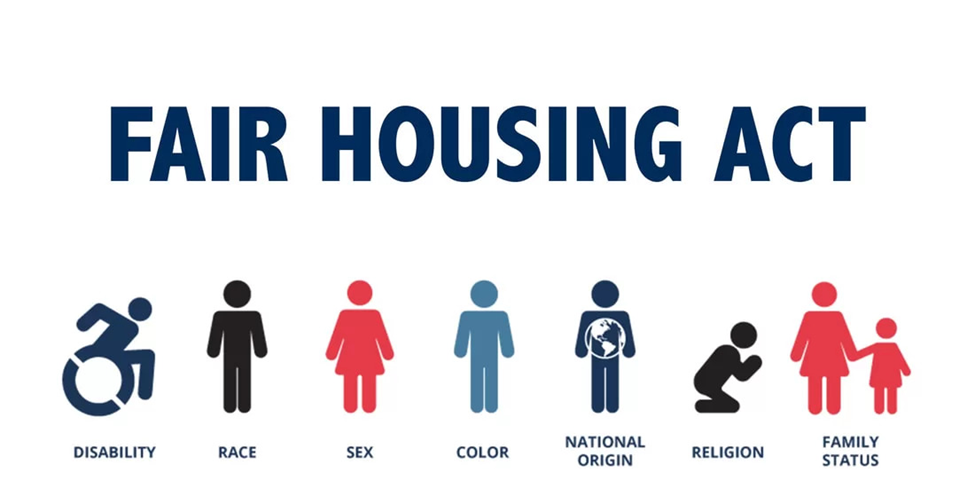
image 2025 08 22t223945.338

In the complex and often challenging world of real estate, navigating the landscape of fair housing can feel like threading a needle in the dark. It’s an area that demands our attention and understanding, not just for compliance but to foster a community that welcomes everyone, regardless of their background ????. As Fair Housing Month ????????, April serves as a timely reminder of our collective responsibility toward ensuring equal housing opportunities for all. This segment, the fifth in our series, aims to shed light on the vital resources and support systems in place for individuals who encounter discrimination in their housing journey. Whether you’re a renter, a buyer, or a real estate professional, understanding these supports can make a significant difference ????️.Understanding Fair Housing Before diving into the resources, it’s crucial to grasp what fair housing entails. Simply put, it ensures that all individuals have equal access to properties for rent or purchase without discrimination based on race, color, national origin, religion, sex, familial status, or disability ????. This principle is a legal standard and a moral compass guiding the real estate industry ????.Critical Resources for Support and Information    1. Advocacy Groups and Organizations Numerous non-profit organizations are dedicated to the cause of fair housing. These groups work tirelessly to educate individuals about their rights, offer counseling services, and even assist in filing complaints ????️????. Among the torchbearers in the fight for fair housing is the National Fair Housing Alliance (NFHA). As a leading voice in the crusade against housing discrimination, NFHA provides an umbrella of resources to educate individuals about their rights and avenues for recourse. Their work encompasses advocacy and policy development to direct assistance to those grappling with discrimination. Connecting with the NFHA or similar organizations can offer not only moral support but also practical guidance and resources to navigate the complexities of fair housing laws ⚖️????️.    2. Legal Support Services Legal recourse is often necessary to challenge and rectify instances of housing discrimination. Fortunately, legal support services are available to those who may not have the means to afford private legal counsel.  Free legal advice for Los Angeles County: https://nlsla.org/.  San Bernardino County: https://legalaidofsb.org/.  Riverside County: https://riversidelegalaid.org/. Orange County: https://ssa.ocgov.com/how-do-i/find/community-resources/legal/attorney-referral-information-services.  These are just a few of the services that are in counties near me.  The services can range from offering legal advice to representing clients in court. Their goal is to ensure that justice is accessible to everyone, regardless of financial standing ⚖️????.    3. Government Agencies Government agencies play a pivotal role in enforcing fair housing laws. For example, the U.S. Department of Housing and Urban Development (HUD) is a primary agency responsible for investigating housing discrimination complaints.  To file a complaint, go here: https://www.hud.gov/program_offices/fair_housing_equal_opp/online-complaint. They offer an easily navigable process for filing complaints and provide resources to help understand your rights under the Fair Housing Act. Engaging with such agencies can be a decisive step in seeking redress for discrimination ????️????.    4. Educational Materials and Training Knowledge is power, and several organizations provide educational materials and training sessions for consumers, housing providers, and real estate professionals. These resources aim to inform about fair housing rights and responsibilities, how to recognize discrimination, and steps to take if discrimination occurs. HUD and many fair housing advocacy groups offer online resources, webinars, and in-person training opportunities. To find a HUD-approved office, go to https://www.hud.gov/program_offices/housing/nationally_hud_approved_housing_counseling_agenciesdirectory????????.   5. Online Tools and Hotlines In today’s digital age, support is often just a click or call away. HUD and various fair housing groups offer online complaint forms, making it easier to report discrimination. Hotlines are also available for those who prefer to speak directly with someone about their situation. These tools ensure that help is accessible, confidential, and responsive to the needs of individuals facing discrimination ????????.Navigating the Resources Understanding the available resources is just the beginning. Knowing how to navigate these resources effectively can make all the difference in addressing and overcoming housing discrimination. Here’s a closer look at how to engage with these supports: Advocacy Groups Research and Reach Out: Research fair housing advocacy groups in your area. Websites often provide a wealth of information on services offered and how to access them ????️‍♂️????. Utilize Educational Materials: Take advantage of the educational materials provided by these groups. They can offer insights into recognizing discrimination and understanding your rights ????. Seek Counseling: If you suspect discrimination, seeking counseling can help clarify your situation and determine if further action is needed ????️????. Legal Support Low-Cost Services: Look for legal aid organizations that offer low-cost services to those facing housing discrimination. These organizations can be invaluable in providing legal representation ????????. Prepare Your Documentation: When seeking legal support, ensure you have all relevant documentation of the discrimination you faced. This can include emails, rental applications, and any communication with landlords or real estate agents ????????. Government Agencies Filing a Complaint: If you decide to file a complaint with a government agency like HUD, their website provides step-by-step instructions on how to do so ????️????. Understanding the Process: Familiarize yourself with the complaint process, including what to expect after filing. Knowing the timeline and potential outcomes can help manage expectations ⏳????. Conclusion: A Path Forward Fair Housing Month is a time to reflect on the progress made toward equal housing opportunities and recommit to the ongoing fight against discrimination. The journey toward fair housing is ongoing, paved with the stories of individuals who chose to stand up against unfair treatment. The resources and supports outlined here are more than just tools; they’re beacons of hope for those navigating the murky waters of housing discrimination ????. Armed with the correct information and the courage to seek help, individuals can challenge discrimination and contribute to a future where everyone can call a place home without fear of prejudice. Let this Fair Housing Month serve as a reminder of the strength found in unity and the power of informed action. Together, we can continue to build a foundation of fairness and inclusivity that supports and uplifts every member of our community ????????.Embrace your future in

Fair Housing Series Part 4: Fair Housing Rights and Responsibilities
imgonline com ua convertxiy5mdyb3eqy

April marks a significant period dedicated to raising awareness and fostering understanding of fair housing practices ????????. As we wrap up this Fair Housing Month series, it’s crucial to spotlight the rights and duties under the Fair Housing Act ✊. This piece aims to inform and empower tenants and landlords with knowledge, ensuring everyone plays their part in upholding dignity and equality in housing ????.Understanding Your Rights as a TenantThe Fair Housing Act was established to prevent discrimination in the rental, sale, and financing of dwellings based on race, color, national origin, religion, sex, familial status, or disability ????????. Knowing your rights is the first step towards protecting yourself and others from unfair practices.   1. Protection from Discrimination Everyone is entitled to search for a home without facing prejudice. This means landlords cannot refuse to rent, sell, or negotiate with someone based on their race, religion, gender, or any other protected characteristic. Similarly, advertising that indicates a preference towards or against someone based on these characteristics is illegal ????????.   2. Reasonable Accommodations and Modifications If you have a disability, the law ensures your right to request reasonable accommodations or modifications to your living space ????️♿. Accommodations might include a landlord allowing a service animal in a no-pet building ????. Modifications could be physical changes to the property, like installing grab bars in a bathroom. While landlords are not required to bear the cost of these modifications, they must allow them, provided they are reasonable and the tenant covers the expenses.   3. Equal Access to Amenities and Services As a tenant, your rights extend beyond the leasing process. The Fair Housing Act also ensures that you have equal access to all amenities and services associated with a dwelling ????️‍♀️????. This includes, but is not limited to, access to fitness centers, parking facilities, and common areas. Landlords cannot restrict access to these amenities based on race, gender, disability, or other protected characteristics.   4. Freedom from Harassment The law protects tenants from harassment or intimidation based on their protected status ????????️. This protection covers actions by landlords, property management staff, and even other tenants. If you experience harassment that interferes with your right to enjoy your home peacefully, it violates your fair housing rights.    5. Privacy and Respect Your right to privacy is also protected under fair housing laws ????????. Landlords must respect your space and provide reasonable notice before entering your rented property, except in emergencies. Any intrusion that seems excessive or without proper notice might violate your rights.Understanding your rights is pivotal, but knowing how to act is equally important. Suppose you believe your rights have been violated. In that case, several avenues exist for reporting and resolving these issues, from filing a complaint with the Department of Housing and Urban Development (HUD) to seeking legal assistance ⚖️????. The Landlord’s Responsibilities: Beyond the BasicsLandlords carry a significant responsibility in the fair housing equation. Their role goes beyond simply refraining from discriminatory practices; it involves active participation in promoting fairness and equality ⚖️????️.   1. Ensuring Equality in Housing Opportunities Landlords must ensure that all potential and current tenants are treated equally. This responsibility encompasses all phases of the leasing process, from advertising and showing properties to setting lease terms and conditions. Any form of discrimination, intentional or unintentional, can have serious legal consequences.   2. Providing Reasonable Accommodations Understanding and respecting requests for reasonable accommodations is a legal obligation for landlords. This might include making exceptions to policies (e.g., allowing service animals in a no-pet property) for individuals with disabilities. Landlords need to engage in a dialogue with tenants to understand their needs and how best to meet them within the scope of the law ????️????.    3. Handling Modifications with Care When a tenant requests modifications to their dwelling to accommodate a disability, landlords must permit these changes, given they are reasonable. While the financial responsibility for these modifications typically falls on the tenant, landlords should work cooperatively to ensure the process is smooth and respectful of the tenant’s needs. Reporting Violations: A Step-by-Step Guide Document Everything: Keep detailed records of any incidents that you believe violate your fair housing rights, including dates, times, and names of individuals involved ????. Seek Internal Resolution: Sometimes, addressing the issue directly with your landlord or the property management can resolve the problem. It’s always a good first step to communicate your concerns ????️. File a Complaint: If internal resolution fails, you can file a complaint with the U.S. Department of Housing and Urban Development (HUD) online, by mail, or by phone. HUD will investigate the complaint at no cost to you ????️✉️????. Consider Legal Counsel: In some cases, you may seek legal advice from an attorney specializing in fair housing laws. They can guide your situation and represent you if necessary ⚖️????‍⚖️. Conclusion: A Call to Action Fair Housing Month is an opportunity to catalyze ongoing education and action because we all need Fair Housing or to affirmatively further Fair Housing for all.  For tenants, knowing your rights is the foundation of empowering yourself against discrimination. For landlords, understanding your responsibilities is critical to fostering an inclusive and equitable housing market is the beginning.  I recommend that regardless of your experience as a landlord or if you are a licensed real estate professional, you do not manage your properties.  Laws are changing to protect the consumer, and the rules of engagement can be challenging to understand and execute.  Even attorneys do not represent themselves as their client.  Hire a reputable and experienced property management company. In our journey towards fair housing, every action, no matter how small, contributes to a more significant movement towards equality. By educating ourselves and others, we can work towards a future where everyone can find a home without facing barriers. Let this month be a reminder of our progress and the work that still lies ahead. Together, we can continue to break down walls and build communities grounded in fairness and respect ????????.Fair housing is more than just a legal requirement; it’s a moral imperative that enriches

Fair Housing Series Part 3: The State of Housing Discrimination Today

image 2025 08 22t224716.426

In today’s world, where equality and fairness are championed at every turn, it’s disheartening to uncover the reality that housing discrimination remains a persistent challenge. This blog aims to shed light on the pressing issues and current trends in housing discrimination, offering insights into recent cases, statistics, and the ongoing hurdles that many face in their quest for a place to call home. By understanding the contours of this problem, we can better navigate the solutions and strive towards a more equitable future for all. ????✨Understanding Housing Discrimination: A Persistent Problem ????❌Housing discrimination, in its most basic form, involves unfair treatment of individuals or groups in the housing market based on race, color, religion, sex, disability, familial status, or national origin. Despite legislative efforts and social campaigns aimed at eradicating this issue, it continues to surface in various forms, affecting countless lives and undermining the principle of equality. ⚖️????Recent Cases Highlighting the Issue ????????Recent legal actions against landlords, real estate companies, and municipalities underscore the ongoing battle against housing discrimination. For instance, several lawsuits have revealed patterns of discrimination where landlords refuse to rent to people based on their race or nationality. Other cases involve real estate agencies steering families with children away from certain neighborhoods.  There are other cases where landlords are refusing to accommodate people with disabilities.   Discrimination complaints by people with disabilities have trended up over the last few years at the Fair Housing Council of Riverside, where I served as a board member until April of last year.  While some zoning laws have been criticized for discriminating against racial minorities or low-income families, Not In My Backyard movements and CEQUA have been delayed in some cases and have stopped the development of real estate in many areas in California. The result of these continual discrimination practices, movements against the development of affordable housing, and Lawsuits preventing the development are effectively segregating communities. These cases are not anomalies but indicate a systemic problem affecting diverse communities nationwide. ????️???? The Numbers Tell the Story ????????Diving into the data offers a sobering view of housing discrimination today. According to recent reports from the Department of Housing and Urban Development (HUD), over 28,000 housing discrimination complaints were filed in the last year alone. A significant portion of these complaints, approximately 45%, involved racial discrimination, while around 20% cited discrimination based on disability. These statistics, while stark, likely represent only a fraction of the actual instances of housing discrimination, as many cases go unreported due to fear of retaliation or lack of knowledge regarding reporting mechanisms. ????????Ongoing Challenges in Combating Discrimination ????????One of the most significant hurdles in addressing housing discrimination is its increasingly covert nature. Modern discriminatory practices are often subtle and coded, making them harder to identify and prove legally. For instance, landlords might use phrases like “looking for a good fit” to mask discriminatory intentions or real estate agents may subtly steer minority homebuyers away from specific neighborhoods without explicit statements.  Real estate agents steer buyers who are unknowingly being steered to black or brown communities to keep their communities homogenous. Another challenge is the lack of awareness among victims about their rights and the proper channels to file complaints. Many individuals who experience discrimination may not realize it’s illegal or may not know how to seek redress. This knowledge gap significantly hampers efforts to combat housing discrimination. The enforcement of anti-discrimination laws also faces obstacles. Regulatory agencies like HUD are often underfunded and understaffed, making it difficult to investigate every complaint thoroughly. Additionally, legal action against perpetrators can be a lengthy and expensive process, discouraging many from pursuing justice. ????️‍♂️????Navigating the Solutions ????????Addressing housing discrimination requires a multifaceted approach. Education and awareness campaigns are critical in informing renters and landlords about their rights and responsibilities. Strengthening the enforcement of existing laws, coupled with the introduction of more stringent regulations, can help deter discriminatory practices. Moreover, promoting diversity and inclusion within communities can contribute to a more accepting and equitable society. ????????Promoting Awareness and Education ????????Raising awareness about housing discrimination and the rights of individuals is a crucial step towards empowerment. Knowledge is power, and educating tenants and landlords about the law and the importance of equality can create a more informed society that stands up against discrimination. ???????? Strengthening Enforcement and Legislation ⚖️????While laws such as the Fair Housing Act have been instrumental in combating discrimination, their enforcement must be consistent and robust. This may involve increasing funding to agencies responsible for investigating complaints and imposing stricter penalties on those found guilty of discriminatory practices. ????️????Fostering Inclusion and Diversity ????????Beyond legal measures, promoting community diversity and inclusion is vital in combating housing discrimination. Initiatives that encourage interaction and understanding among different groups can help break down barriers and dispel stereotypes, fostering a more inclusive society. ????????Moving Forward ???????? As we navigate the complexities of housing discrimination, it’s clear that there’s no single solution to this deep-rooted problem. It requires a collective effort from individuals, communities, and governments to foster a world where everyone can find a home without discrimination. By staying informed, advocating for stronger protections, and working towards more inclusive communities, we can make strides toward eliminating housing discrimination. ????✊In closing, while the road ahead may be long and fraught with challenges, the fight against housing discrimination is a testament to our society’s resilience and commitment to justice. By confronting this issue head-on, with both knowledge and compassion, we can build a future where discrimination in any form is relegated to the pages of history. Let us pledge to play our part in creating a more equitable and just society, starting with the place we call home. ????????Embrace your future in Real Estate and champion the cause of Fair Housing today! Schedule a personalized consultation with Eric Lawrence Frazier, MBA, via phone or video. Together, let’s celebrate the strides made toward equitable housing and continue to pave the way for a more inclusive industry. Your Power Is Now – seize it and contribute to a