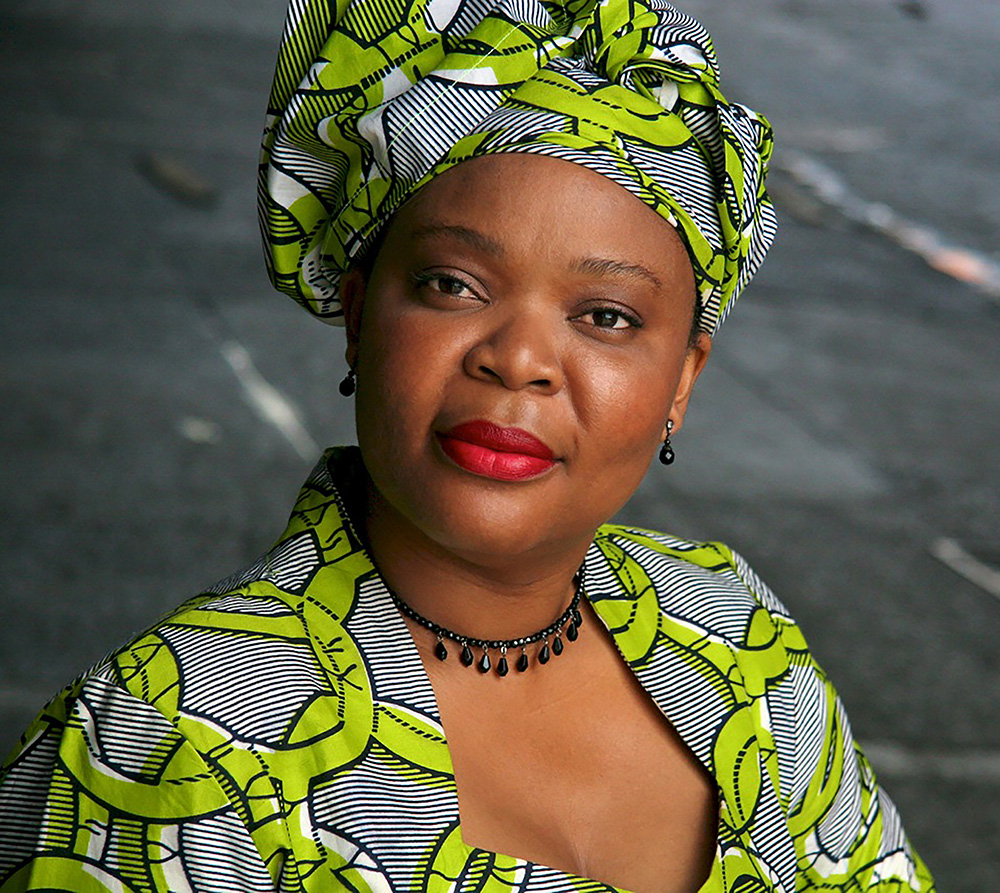
Women’s History Month Part 12: Leymah Gbowee: The Liberian Activist Who Helped Lead a Women’s Movement for Peace

image (30)

In the early 2000s, Liberia was experiencing one of the most devastating periods in its history. Years of civil war had left the country deeply fractured. Communities were displaced, infrastructure was destroyed, and families were caught in a cycle of violence that seemed impossible to escape. In the middle of this crisis, an unexpected force for change emerged: a movement of ordinary women who decided that the war had to end.

At the center of that movement was Leymah Gbowee, a Liberian peace activist who helped organize thousands of women across religious and social lines to demand an end to the conflict. Through a disciplined campaign of nonviolent protest, public advocacy, and political pressure, the movement became one of the most influential grassroots peace efforts in modern African history.

What made this movement remarkable was not only its persistence but also its ability to unite Christian and Muslim women around a shared purpose. At a time when political leaders and armed factions were locked in violent conflict, these women demonstrated that collective civic action could influence the direction of national events.

Their efforts eventually contributed to peace negotiations that helped end Liberia’s second civil war in 2003. Years later, Gbowee’s leadership and dedication to peacebuilding would receive global recognition when she was awarded the Nobel Peace Prize in 2011.

As part of this Women’s Month series recognizing influential African women, this article explores the life and leadership of Leymah Gbowee. It examines the historical context of Liberia’s civil war, the creation of the women’s peace movement, the role of nonviolent activism in shaping political outcomes, and the lasting impact of her work on peacebuilding and women’s leadership across Africa.

Liberia’s Civil War: A Nation in Crisis

To understand the significance of Leymah Gbowee’s activism, it is important to look at the conditions Liberia faced during its years of civil conflict.

Liberia’s first civil war began in 1989 when rebel groups launched an armed rebellion against the government of President Samuel Doe. The conflict quickly escalated into widespread violence involving multiple factions competing for power.

The war devastated the country. Thousands of people were killed, many more were displaced, and the national economy collapsed. Schools closed, healthcare systems deteriorated, and communities were left without basic services.

Although the first civil war formally ended in 1997 with the election of Charles Taylor as president, the peace was fragile. Political tensions remained high, and violence soon returned. By 1999, Liberia had entered a second civil war. Armed groups continued to fight government forces, and civilians again found themselves caught in the middle of the conflict.

The situation was especially devastating for women and children. Many families were separated, and communities struggled to survive under the constant threat of violence. It was during this period of national crisis that Leymah Gbowee began organizing what would become a powerful grassroots movement for peace.

Leymah Gbowee’s Early Life and Motivation

Leymah Roberta Gbowee was born on February 1, 1972, in central Liberia. She grew up during a time when the country was experiencing increasing political instability.

When the civil war began in 1989, she was still a teenager. Like many Liberians, her life was dramatically affected by the violence and uncertainty that followed. Families were displaced, economic opportunities disappeared, and daily life became unpredictable. These experiences shaped her perspective on the conflict and the need for peace. As the war continued, she became involved in trauma counseling programs that supported individuals affected by the violence.

Working with survivors of the war gave her direct insight into the emotional and psychological impact of the conflict on communities. She saw how families were struggling to cope with loss, displacement, and long-term insecurity.

These experiences motivated her to become more involved in peacebuilding efforts. She began working with organizations that focused on reconciliation, community healing, and grassroots activism.

Over time, she came to believe that women—particularly mothers and community leaders—could play a powerful role in pushing for an end to the conflict.

The Birth of the Women of Liberia Mass Action for Peace

In 2003, Leymah Gbowee helped launch the Women of Liberia Mass Action for Peace movement, a grassroots campaign that would bring together women from different backgrounds to demand an end to the war.

The movement was remarkable in its ability to unite women across religious lines. Christian and Muslim women joined together under a shared message: Liberia’s future depended on ending the violence.

Participants wore simple white clothing to symbolize peace and gathered in public spaces to pray, sing, and demonstrate against the ongoing conflict. The protests were disciplined and consistent. Women met daily to demand that political leaders and armed groups negotiate an end to the war.

Their strategy relied on persistence rather than confrontation. By maintaining a visible presence and refusing to abandon their demands, they drew national and international attention to the peace movement.

The unity between Christian and Muslim participants was particularly significant. In a region where religious differences sometimes contributed to tension, the movement showed that cooperation across faith communities could strengthen peace efforts.

Nonviolent Protest as a Political Force

The Women of Liberia Mass Action for Peace movement demonstrated how organized nonviolent protest could influence political decisions during times of conflict. Participants organized sit-ins, public demonstrations, and community gatherings that emphasized the urgent need for peace negotiations.

One of the movement’s most widely discussed actions occurred when women staged a peaceful protest outside the presidential palace. Their presence was a clear signal that ordinary citizens were demanding accountability from national leadership.

The movement also used symbolic acts to reinforce its message. In some cases, women participated in a traditional practice known as a “sex strike,” where they withheld sexual relations from their partners as a way of encouraging men to support peace efforts. While the strike was more symbolic than widespread, it drew media attention and highlighted the seriousness of the women’s commitment to ending the war.

More importantly, the movement created a moral and social pressure that political leaders could not easily ignore.

Pressuring Peace Negotiations

As the conflict intensified in 2003, international mediators and regional organizations began working to bring Liberia’s warring factions to the negotiating table.

Peace talks were held in Accra, Ghana, with representatives from the Liberian government, rebel groups, and regional governments. Leymah Gbowee and other leaders of the women’s movement traveled to Accra to ensure that the voices of ordinary Liberians were represented in the peace process.

During the negotiations, the women staged peaceful protests outside the meeting venues. Their presence served as a constant reminder to negotiators that the public expected a resolution. In one widely reported moment, the women blocked the doors of the negotiation hall to prevent delegates from leaving until progress was made toward an agreement.

Their determination helped keep the talks focused on reaching a peaceful settlement.

In August 2003, the Accra Comprehensive Peace Agreement was signed, bringing Liberia’s second civil war to an end.

While many factors contributed to the final agreement, the women’s movement played a significant role in maintaining pressure on political leaders and mediators.

Liberia’s Path Toward Stability

The peace agreement marked the beginning of Liberia’s transition toward recovery and political stabilization. An interim government was established to oversee the transition, and international peacekeeping forces were deployed to help maintain security.

In 2005, Liberia held democratic elections that resulted in the historic victory of Ellen Johnson Sirleaf, who became Africa’s first elected female head of state. The election represented an important milestone in Liberia’s rebuilding process and reflected the growing influence of women in the country’s political and civic life.

Leymah Gbowee continued her work in peacebuilding and women’s leadership development during this period. She founded the Gbowee Peace Foundation Africa, which focuses on supporting education and leadership opportunities for women and young people.

Her work has also extended to international advocacy for peace, women’s rights, and conflict prevention.

Recognition with the Nobel Peace Prize

In 2011, Leymah Gbowee’s contributions to peacebuilding received global recognition when she was awarded the Nobel Peace Prize. She shared the award with Ellen Johnson Sirleaf and Yemeni activist Tawakkol Karman. The Nobel Committee honored them for their nonviolent efforts to promote the safety of women and their participation in peacebuilding work.

For many observers, the award highlighted the importance of grassroots activism in shaping national and international outcomes. Gbowee’s leadership demonstrated that ordinary citizens, when organized and determined, can influence political decisions and promote peaceful solutions to conflict.

Her recognition also helped draw international attention to the role of women in peace processes around the world.

The Broader Impact of Women’s Peace Movements

The movement that Leymah Gbowee helped lead has become an important case study in peacebuilding research and conflict resolution.

Scholars and policy experts often point to the Women of Liberia Mass Action for Peace as an example of how grassroots activism can influence political negotiations and encourage nonviolent solutions.

The movement also helped change perceptions about women’s roles in peace processes. Historically, peace negotiations were often dominated by political and military leaders, many of whom were men. The Liberian experience demonstrated that women’s participation can bring new perspectives and priorities to conflict resolution efforts.

Today, international organizations and governments increasingly recognize the importance of including women in peace negotiations and post-conflict reconstruction.

Remembering Leymah Gbowee During Women’s Month

During Women’s Month, reflecting on the leadership of figures like Leymah Gbowee provides an opportunity to appreciate how individual determination can shape the course of history. Her leadership emerged not from formal political office but from a deep commitment to protecting her community and ending violence in her country.

The movement she helped organize showed that unity across religious, cultural, and social lines can create powerful momentum for change.

For readers today, her story serves as a reminder that peacebuilding is not limited to diplomats or political leaders. Community members, activists, and grassroots organizers can also play a critical role in shaping national outcomes. Recognizing these contributions helps broaden our understanding of leadership and the many forms it can take.

Leymah Gbowee’s leadership during Liberia’s civil war represents one of the most influential grassroots peace movements in modern African history. Through persistence, organization, and nonviolent activism, she helped mobilize thousands of women to demand an end to the conflict that had devastated their country.

The Women of Liberia Mass Action for Peace demonstrated that civic engagement and community leadership could influence political negotiations and contribute to national reconciliation. Her work also reshaped global discussions about the role of women in peacebuilding and conflict resolution.

Today, Leymah Gbowee remains an important voice in international conversations about leadership, reconciliation, and the importance of including women in decision-making processes.

As we recognize the achievements of women across Africa during Women’s Month, her story stands as a powerful example of courage, cooperation, and the lasting impact of grassroots leadership.

Thank you for taking the time to read and reflect. I write to help people think clearly about money, business, real estate, and life — not from theory, but from decades of lived experience.

If you are navigating a financial decision, building a business, considering homeownership, or simply trying to make better use of your time and resources, I invite you to engage further.

Subscribe to The Power Is Now TV to connect with me live every weekday, Monday through Friday, from 10:00 AM to 11:00 AM PST, as we record television shows across the Power Is Now TV Network. As a subscriber, you can participate in live tapings, engage in real-time discussions, and connect directly with industry leaders.

Visit ThePowerIsNow.com to access real estate magazines, books, podcasts, television shows, and exclusive media content focused on homeownership, business, and wealth-building.

For personalized support, consulting, and advisory services in real estate, mortgages, business, and personal finance, visit EricFrazier.com to schedule a consultation and learn more about my work as your trusted advisor in business and wealth.

Eric Lawrence Frazier, MBA
Your trusted advisor in business and wealth
www.ericfrazier.com | www.thepowerisnow.com
NMLS #451807 | CA DRE #01143484
Schedule a consultation: https://calendly.com/ericfrazier/real-estate-mortgage-consultation-clients


Research & Sources