
San Bernardino County Housing Market: Low-End Price Stability Masks a Slowing Transaction Cycle in Late Summer 2026
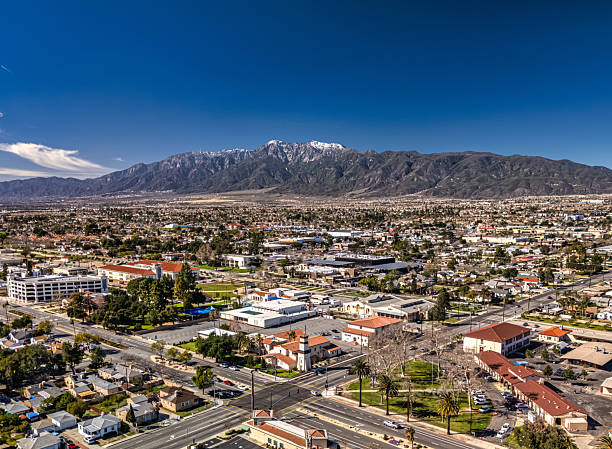
San Bernardino County continues to stand as one of the most closely watched affordability-driven housing markets in Southern California, yet recent data shows a shift that is not immediately visible in headline pricing. While home values appear relatively stable across the county, the underlying structure of the market is changing in ways that directly affect buyer activity, seller expectations, and overall transaction flow. The most recent late summer 2026 data highlights a market that is no longer defined by rapid movement or strong bidding competition, but instead by slower absorption and more cautious participation on both sides of the transaction. Mortgage rates holding near the upper-6% range continue to suppress purchasing power, especially in entry-level and workforce housing segments that dominate San Bernardino County demand. At the same time, inventory levels are not tightening as aggressively as in prior cycles, creating a more balanced but slower-moving environment. These combined conditions are producing a market where stability in price does not necessarily translate into strength in demand. The following analysis focuses on how pricing behavior, transaction speed, and buyer psychology are reshaping the county’s housing dynamics during this current phase. Stable Prices, but Weakening Transaction Volume Recent San Bernardino County housing data shows a market that appears stable on the surface but is experiencing measurable softness in activity levels. According to Redfin’s August 2026 county report, the median sale price is approximately $548,165, reflecting a slight -0.15% year-over-year decline, while total homes sold dropped by nearly 2.9% year-over-year. This indicates that pricing is holding within a narrow range, but demand strength is not expanding alongside it. At the city level within the county, variations become even more visible. Some submarkets such as San Bernardino city proper show slight price growth of around +0.4% year-over-year, but transaction volume remains relatively flat, signaling that price movement is being driven more by micro-local conditions than broad market momentum. This divergence between price and volume is one of the most important indicators of a cooling but not collapsing market. What this creates is a situation where sellers are still anchored to recent pricing expectations, while buyers are becoming more selective and less urgent in their decision-making. Inventory and Market Speed Are Resetting Expectations One of the clearest shifts in the county is the gradual normalization of inventory and days-on-market metrics. Realtor.com’s August 2026 data shows active listings at approximately 15,400 homes, with median days on market around 62 days, reflecting a slower absorption pace compared to prior tightening cycles. This increase in market duration signals a fundamental change in buyer behavior. Homes are no longer moving quickly by default; instead, listing performance now depends heavily on pricing accuracy at launch. Properties that are priced even slightly above market expectations tend to remain active longer, often requiring adjustments before generating serious offers. National housing data from the same reporting window supports this slowdown pattern. U.S. existing-home sales fell to an annual pace of 3.98 million units in August 2026, while inventory rose to 1.62 million units nationally, the highest level in nearly seven years. This broader trend is filtering into Inland Empire markets like San Bernardino, where inventory is not excessive but is sufficient to slow competitive pressure. Affordability Pressure and Mortgage Rates Are Driving Buyer Caution Mortgage rates remain one of the most influential factors shaping San Bernardino County’s housing behavior. With 30-year fixed rates averaging in the mid-to-high 6% range during the late summer 2026 period, monthly payment sensitivity has become a major constraint for entry-level buyers. Even modest changes in interest rates significantly affect affordability in this price tier. For many households, the difference of half a percentage point can determine whether a property is financially viable or out of reach. This has led to a noticeable shift in buyer behavior, where urgency has been replaced by comparison shopping and extended decision timelines. Data from Zillow also reflects this cooling demand pressure, showing median days to pending at approximately 25–40 days depending on submarket, which is longer than previous high-velocity cycles. While homes are still selling, the pace is no longer competitive enough to generate consistent multiple-offer scenarios across most neighborhoods. Negotiation Power Is Slowly Shifting Toward Buyers Although San Bernardino County is not currently in a downturn, the balance of negotiation is gradually shifting. Data shows sale-to-list ratios hovering around 99% to 100%, meaning most homes are still selling close to asking price, but with increasing variability depending on condition and pricing strategy. The share of listings with price reductions has also remained notable, with roughly 18%–20% of homes experiencing adjustments during listing periods. This suggests that sellers who initially price aggressively are more likely to encounter extended market time before securing offers. At the same time, well-priced homes in desirable submarkets still move efficiently, showing that demand has not disappeared—it has simply become more conditional. Buyers are no longer reacting to scarcity pressure, but instead evaluating value more critically against monthly affordability constraints. San Bernardino County’s housing market is currently defined by a quiet but important transition. Prices remain relatively stable, but transaction volume, listing duration, and buyer urgency all point toward a slower and more measured environment. This is not a market experiencing a sharp decline, but rather one adjusting to affordability limits and higher borrowing costs. The key takeaway is that stability in pricing should not be interpreted as strength in demand. Instead, the current cycle reflects a market where buyers have regained time, sellers must adjust strategy more carefully, and execution matters more than momentum. Understanding this shift is essential for anyone positioning themselves in the county’s housing market today. Thank you for taking the time to read and reflect. I write to help people think clearly about money, business, real estate, and life — not from theory, but from decades of lived experience. If you are navigating a financial decision, building a business, considering homeownership, or simply trying to make better use of your time and resources, I invite you to engage further. Subscribe to The
San Bernardino County Real Estate Market 2026: Price Stabilization, Logistics-Driven Demand, and Inland Empire Housing Pressure
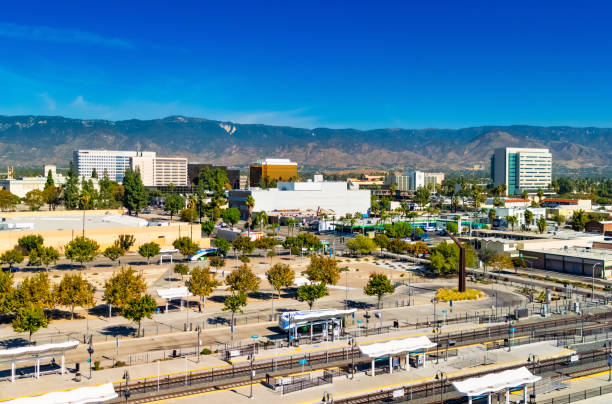
San Bernardino County represents one of the most important affordability-driven housing markets in California, and in many ways, it functions as a key pressure valve for the broader Southern California real estate system. As coastal counties continue to experience elevated pricing and constrained supply, San Bernardino has become a primary destination for households seeking relatively lower-cost homeownership options within commuting distance of major employment centers. By 2026, this dynamic remains firmly in place, but the market is no longer defined by rapid expansion alone; instead, it is shaped by stabilization patterns, shifting affordability thresholds, and a growing dependence on logistics-based economic activity that supports housing demand. What distinguishes San Bernardino County from many other California regions is the combination of large geographic scale, comparatively lower median home values, and steady population growth supported by migration from Los Angeles, Orange County, and even parts of coastal San Diego. However, rising interest rates over recent years have moderated buyer capacity, resulting in slower appreciation and more balanced transaction behavior. While the county is still more affordable than coastal markets, it is not immune to affordability stress, as household income levels struggle to keep pace with long-term housing cost increases. Here’s what’s happening in the San Bernardino County housing market through pricing trends, inventory behavior, transaction activity, and broader economic forces shaping long-term real estate conditions. Pricing Behavior: Mild Decline Within a Long-Term Growth Structure San Bernardino County’s housing market in 2026 is best understood as being in a mild correction-to-stabilization phase rather than a downturn. Recent federal and regional housing data indicate that the median existing single-family home price sits around $500,000 to $548,000 depending on dataset timing and measurement method, reflecting a slight year-over-year decline of approximately 1% or less in some reporting periods. Despite this short-term softening, long-term trends remain strongly positive, with home values increasing significantly over the past decade, driven by population growth and structural demand shifts across Southern California. The key factor influencing pricing behavior is affordability compression. Higher mortgage rates compared to prior ultra-low-rate cycles have reduced purchasing power, effectively placing a ceiling on rapid appreciation. However, there is no evidence of widespread distress selling, which prevents steep declines. Instead, pricing adjusts gradually as sellers recalibrate expectations to match buyer capacity. This creates a controlled environment where values remain historically elevated but move within a tighter and more predictable range. Inventory Conditions: Balanced Supply with Market Fragmentation Inventory in San Bernardino County reflects a more balanced structure compared to coastal California markets, but it is not uniform across all subregions. The county maintains a relatively large housing stock exceeding 700,000 housing units, which allows for a more fluid transaction environment compared to constrained coastal metros. However, the actual absorption of this inventory varies significantly depending on location, price point, and commuter accessibility. In high-demand submarkets closer to employment corridors such as Ontario and Rancho Cucamonga, homes tend to move faster and attract stronger competition. In contrast, more remote inland areas experience longer marketing periods and higher sensitivity to price adjustments. This uneven absorption pattern creates a fragmented inventory landscape where market conditions differ widely within the same county. Overall, the county remains neither oversupplied nor undersupplied, but instead operates in a condition of relative equilibrium with localized pressure points. Transaction Activity: Stable Volume Supported by Regional Migration Despite slower price appreciation, San Bernardino County continues to demonstrate steady transaction activity, supported by ongoing migration from higher-cost California regions. According to regional economic analysis, home sales activity has remained relatively stable in recent cycles, with occasional increases driven by shifts in mortgage rates and affordability windows across the Inland Empire region. This migration-driven demand remains one of the most important structural supports for the housing market. Households moving from coastal counties continue to view San Bernardino as a more attainable entry point into homeownership, particularly for single-family detached housing. However, the intensity of this migration has moderated compared to previous expansion cycles, meaning demand is present but more financially disciplined. Homes that are correctly priced continue to sell within reasonable timeframes, while overpriced listings tend to remain on the market longer, reflecting a more selective buyer pool and reduced urgency in purchase decisions. Economic Influence: Logistics and Housing Interdependence One of the defining features of San Bernardino County is the strong relationship between housing and logistics-driven economic activity. The county serves as a major inland distribution hub for Southern California, with warehousing, transportation, and supply chain operations playing a central role in employment and income stability. This economic base directly supports housing demand by providing steady job creation in sectors that do not require high-cost coastal access. At the same time, this economic structure also introduces volatility sensitivity. When broader economic conditions slow, logistics demand can fluctuate, which in turn affects housing confidence and buyer activity. However, over the long term, the logistics sector continues to provide a consistent employment foundation that supports population retention and gradual housing demand growth. Affordability Pressure: A Long-Term Structural Challenge Although San Bernardino County remains more affordable than Los Angeles or Orange County, affordability pressure is still a significant issue. Recent housing indicators show that household income levels are increasingly strained by rising housing costs, with a growing share of households spending a high proportion of income on housing expenses. Even with lower median home prices relative to coastal counties, entry-level affordability remains challenging for many residents. Rental costs also contribute to this pressure, with rising rents over the past decade limiting the ability of households to transition into homeownership. While there have been short-term stabilizations in rent growth, the long-term trajectory still reflects significant upward pressure, which reinforces the county’s role as both an affordable alternative and a region facing its own internal affordability constraints. San Bernardino County’s real estate market in 2026 reflects a transition into stability after years of expansion and rapid affordability-driven demand. While home prices have softened slightly in some segments, the broader market remains structurally supported by migration from coastal California, logistics-based employment, and
The Employment Paradox: Why San Bernardino County’s Job Growth Isn’t Translating Into Homeownership
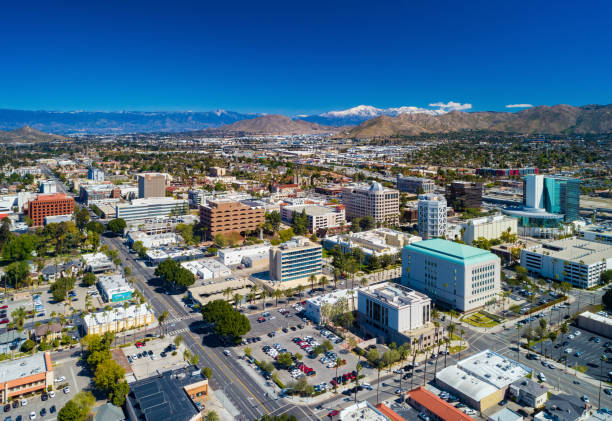
Economic expansion is often expected to bring housing stability. When jobs increase, wages rise, and new industries take root, homeownership typically follows. In San Bernardino County, that relationship is breaking down. The county has become one of California’s most active logistics hubs, driven by warehouse expansion, distribution centers, and transportation-linked employment growth. Yet despite this job creation, homeownership remains increasingly out of reach for a large share of the workforce. The contradiction is becoming more visible: employment is rising, but housing access is not improving at the same pace. Workers filling essential logistics roles are often earning wages that do not align with local housing costs, especially as prices and borrowing expenses remain elevated. This creates a structural disconnect between economic activity and residential stability. Understanding this gap requires looking beyond job numbers alone. It involves examining wage structures, housing prices, and the financial thresholds required to qualify for ownership in a market where employment growth does not automatically translate into affordability. Logistics Expansion and Job Growth Concentration San Bernardino County has become a central node in the national logistics network. Supported by its geographic position and access to major transportation corridors, the county has seen significant growth in warehousing, distribution, and freight-related employment over the past decade. Major logistics parks and fulfillment centers have expanded across cities such as Ontario, Fontana, and Rialto, bringing thousands of jobs into the region. In recent years, logistics-related employment has accounted for a substantial portion of new job creation, with warehouse and transportation roles representing one of the fastest-growing employment categories in the county. However, much of this growth is concentrated in hourly wage positions. While these jobs provide steady employment, they do not typically offer income levels aligned with Southern California housing costs. The result is a labor market that is expanding in size but not in purchasing power. Wage Reality vs. Housing Costs The core issue in San Bernardino County is not employment availability—it is wage alignment. Many logistics and warehouse positions in the region pay between $18 and $25 per hour, depending on role, experience, and employer. On an annual basis, this translates to approximately $37,000 to $52,000 for full-time workers. At the same time, median home prices in the county have risen significantly, with many areas now ranging between $500,000 and $650,000. Even with moderate price variation across submarkets, the income required to qualify for a home purchase far exceeds what most logistics workers earn. For example, a $550,000 home with a 20% down payment results in a loan of $440,000. At a 6.75% mortgage rate, monthly principal and interest payments alone are approximately $2,850. After adding property taxes, insurance, and maintenance, total monthly housing costs can reach $3,600 or more. To qualify under standard lending guidelines, a household would generally need to earn between $130,000 and $150,000 annually. This is nearly three times the income of many logistics workers in the region. Even dual-income households working in similar wage brackets often fall short of the threshold required for mortgage approval. The Structural Barrier to Homeownership The disconnect between wages and housing prices creates a structural barrier that cannot be resolved through employment growth alone. While job creation improves economic activity, it does not automatically improve housing access when wages remain static relative to property values. In San Bernardino County, this barrier is reinforced by several factors. First, housing supply remains constrained in affordable segments, limiting entry-level options. Second, rising interest rates have increased monthly payment requirements, effectively raising the income threshold for qualification. Third, competition from higher-income buyers and investors in certain submarkets has placed additional upward pressure on prices. These combined forces create a situation where working in the county does not guarantee the ability to live in it as a homeowner. Many workers commute long distances from more affordable inland or desert communities, further separating employment centers from residential ownership opportunities. A Growing Divide Between Economic Output and Housing Access The logistics sector contributes significantly to San Bernardino County’s economic output, yet the benefits are not evenly distributed in terms of housing access. Employment growth has strengthened the county’s role in regional and national supply chains, but housing affordability has not kept pace with this expansion. This disconnect is visible in homeownership rates, which remain below statewide averages in several working-class communities within the county. It is also reflected in rental demand, which continues to increase as more workers remain unable to transition into ownership. The broader implication is that job growth alone is no longer a sufficient indicator of housing stability. Without corresponding wage growth or more affordable housing development, economic expansion can coexist with housing strain rather than alleviate it. San Bernardino County’s housing market highlights a growing structural imbalance in modern regional economies. While logistics and warehouse employment continues to expand, the income generated by these jobs is not enough to support homeownership under current market conditions. The result is a clear separation between work and ownership: people are increasingly employed within the county but unable to afford to live there as homeowners. Rising prices and higher financing costs have widened this gap, reinforcing a system where economic growth does not automatically translate into residential access. Until wage growth, housing supply, or financing conditions shift in a meaningful way, the divide between logistics-driven employment and housing affordability is likely to persist. Eric Lawrence Frazier Advisory Services Research Team Thank you for taking the time to read and reflect. I write to help people think clearly about money, business, real estate, and life — not from theory, but from decades of lived experience. If you are navigating a financial decision, building a business, considering homeownership, or simply trying to make better use of your time and resources, I invite you to engage further. Subscribe to The Power Is Now TV to connect with me live every weekday, Monday through Friday, from 10:00 AM to 11:00 AM PST, as we record television shows across the Power Is Now TV Network. As a subscriber, you
Financing Barriers in San Bernardino County’s 2026 Housing Market—When Affordability Isn’t the Real Proble

San Bernardino County continues to stand out in California’s real estate landscape as one of the most affordable entry points into homeownership within Southern California. Median home prices in early 2026 remain in the range of approximately $490,000 to $550,000 depending on the city and property type, which is significantly lower than neighboring Los Angeles and Orange Counties where prices often exceed $1 million. On the surface, this gap suggests opportunity for first-time buyers and investors seeking value-driven markets. However, affordability alone does not determine accessibility. In practice, many buyers in San Bernardino are finding that the greatest challenge is not the listing price of homes, but the ability to qualify for financing under current lending conditions. Elevated interest rates, stricter underwriting standards, and rising debt-to-income expectations have created a financial environment where even moderately priced homes can be difficult to secure. As a result, the county is experiencing a shift in market behavior. Homes may be priced within reach, yet monthly payments, qualification thresholds, and lending requirements are increasingly acting as the true barriers to entry. This dynamic has reshaped how buyers approach the market in 2026, making financing—not pricing—the central issue in San Bernardino real estate. The Illusion of Affordability in a High-Rate Environment At first glance, San Bernardino County appears more accessible than much of California. Recent market data shows median home values hovering around the mid-$500,000 range, with some areas slightly lower depending on condition and location. Compared to coastal counties, this pricing structure should theoretically support strong first-time buyer activity. However, the affordability equation changes significantly when interest rates are factored in. With 30-year fixed mortgage rates remaining elevated in the 6% to 7% range throughout 2025 and into 2026, monthly payment obligations have increased substantially compared to the previous low-rate cycle. A $500,000 home purchased with a standard 20% down payment can result in monthly mortgage payments exceeding $3,200 to $3,800 once taxes and insurance are included. For many households, this pushes total housing costs well beyond comfortable debt-to-income ratios. This creates a situation where homes are technically affordable in price, but not in monthly payment structure. Debt-to-Income Ratios: The Real Gatekeeper Lenders in 2026 continue to rely heavily on debt-to-income (DTI) ratios to determine borrower eligibility. While conventional lending guidelines often target a DTI ceiling around 43%, many borrowers in San Bernardino are approaching or exceeding this threshold due to existing consumer debt and rising living expenses. What makes this particularly important in the Inland Empire is the income-to-cost imbalance. While home prices are lower than coastal markets, median household incomes have not increased at the same pace as borrowing costs. This creates a squeeze where even modest mortgage payments consume a larger share of monthly income than in previous cycles. In practical terms, two households with identical income profiles may see very different outcomes depending on existing credit card debt, auto loans, and student loan obligations. This makes mortgage approval less predictable and more sensitive to financial structure rather than just income level. Credit Standards and Lending Tightening Another major factor shaping San Bernardino’s housing market is the tightening of credit standards. While lending is not historically restrictive, banks have become more cautious in response to interest rate volatility and broader economic uncertainty. Borrowers with credit scores below the mid-700s are increasingly facing higher interest rate adjustments, stricter reserve requirements, or in some cases, loan denial despite having sufficient income on paper. This creates a tiered buyer pool where financially stronger applicants are able to move forward, while middle-tier borrowers are often pushed out of the market. The result is a narrowing of the qualified buyer base, even in a region traditionally known for accessibility. The Impact on Market Activity San Bernardino’s housing market reflects these financing constraints in several measurable ways. Homes are still selling, but transaction volume is uneven and highly sensitive to rate changes. Recent data shows that homes can remain on the market for extended periods when priced even slightly above buyer qualification thresholds. In many cases, sellers are adjusting prices multiple times before securing offers, particularly in older housing stock or properties requiring repairs. Cash buyers and investor groups have become more prominent in this environment, as they are less dependent on traditional financing structures. At the same time, rental demand remains relatively strong. Monthly rents averaging around the mid-$2,000 range have created an alternative pressure point, where some households opt to rent longer rather than commit to high monthly mortgage obligations under current lending conditions. First-Time Buyers and the Qualification Gap First-time buyers are the most affected segment in San Bernardino County’s current market. Many households can afford down payments or meet basic price expectations, but fall short when evaluated under full underwriting standards. This “qualification gap” is driven by several factors: High existing consumer debt obligations Limited savings for reserves required by lenders Interest rate sensitivity increasing monthly payment burdens Stricter documentation requirements for self-employed borrowers As a result, many potential buyers remain in a holding pattern, waiting for either rate relief or income growth before entering the market. Investor Activity and Market Adaptation While owner-occupant buyers face challenges, investor activity continues to play a stabilizing role in San Bernardino’s housing market. Cash-heavy investors are often better positioned to acquire properties quickly, particularly those needing renovation or repositioning. This has created a bifurcated market structure where traditional buyers face financing constraints, while investors operate with greater flexibility. Over time, this dynamic can influence neighborhood composition, rental supply, and long-term pricing stability. San Bernardino County’s 2026 housing market demonstrates a critical shift in how affordability is defined. While home prices remain comparatively accessible within Southern California, financing conditions have become the primary barrier to entry. Rising interest rates, stricter lending standards, and higher debt-to-income expectations have redefined what it means to “qualify” for a home. The result is a market where opportunity exists on paper, but access is determined by financial structure rather than price alone. For buyers, this means preparation and financial positioning are