Housing is more than just a basic necessity — it’s a fundamental human right. In the United States, fair housing laws were designed to protect people from discrimination and provide equal access to housing opportunities regardless of race, color, national origin, religion, sex, familial status, or disability. But in 2025, despite more than five decades since the passing of the Fair Housing Act, violations are still far too common.
🤝 So, who’s making sure these laws are enforced today? The responsibility lies with a network of federal agencies, state bodies, nonprofits, and legal advocates, all working tirelessly — and often with limited resources — to hold bad actors accountable and ensure justice for renters and buyers alike.
In this article, we’ll break down the key players involved in fair housing enforcement in 2025, how they operate, the obstacles they face, and how you can support their efforts. 🧩
🏛️ HUD’s Office of Fair Housing and Equal Opportunity (FHEO)
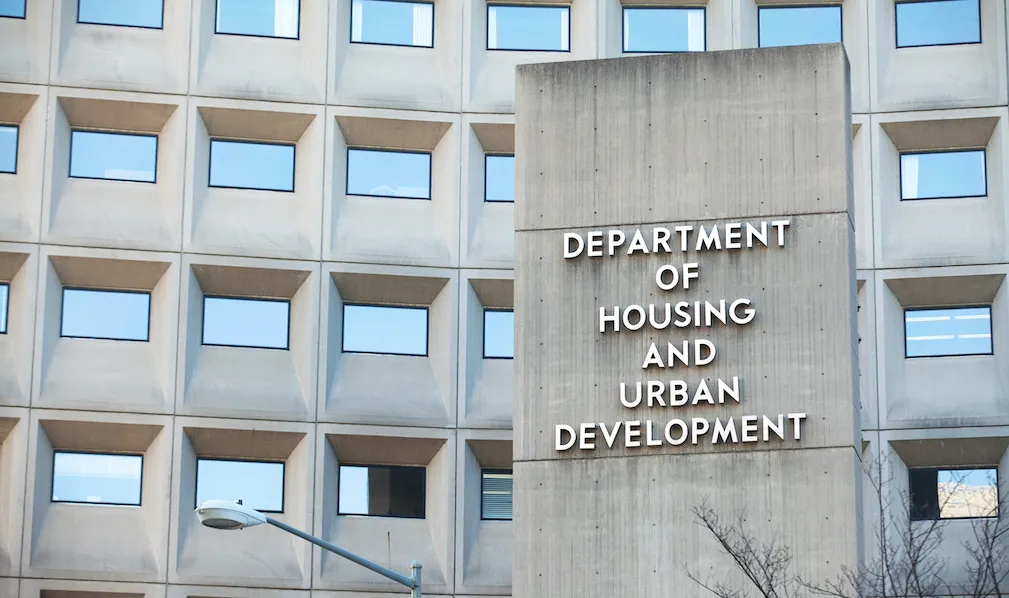
The U.S. Department of Housing and Urban Development (HUD) is the primary federal agency responsible for enforcing fair housing laws. Within HUD, the Office of Fair Housing and Equal Opportunity (FHEO) takes the lead. Established under the Civil Rights Act of 1968, the FHEO is tasked with investigating discrimination complaints, enforcing compliance among housing providers, and administering education and outreach programs.
In 2025, the FHEO continues to oversee over 8,000 housing discrimination complaints per year, ranging from refusal to rent to mortgage lending discrimination and inaccessible housing design. 📝
The agency works through:
- Investigations of filed complaints.
- Compliance reviews of housing providers and federal grant recipients.
- Enforcement actions, including conciliation agreements and legal referrals.
🔍 However, the FHEO has faced serious staffing shortages and outdated systems. Many cases experience delays of six months or more, often leaving victims waiting too long for justice. Advocacy groups have repeatedly called for modernization and increased investment to improve the agency’s responsiveness.
⚖️ DOJ’s Civil Rights Division and Housing Section
When housing discrimination involves patterns or practices, the Department of Justice (DOJ) steps in. Its Housing and Civil Enforcement Section, under the Civil Rights Division, can bring lawsuits against landlords, lenders, and municipalities when civil rights violations are systemic or widespread.
Some of the DOJ’s actions include:
- Prosecuting banks that deny loans in minority communities (redlining).
- Challenging zoning ordinances that restrict multi-family housing in wealthy areas.
- Enforcing accessibility standards for persons with disabilities.
🏘️ For example, in late 2024, the DOJ settled a major case against a developer who built dozens of apartment complexes without wheelchair-accessible entrances. The outcome? Over $2 million in retrofits and damages for affected tenants.
Despite this, recent internal memos revealed that certain political leaders have attempted to redirect focus away from civil rights enforcement — drawing concern from fair housing advocates. 📉 Transparency and public pressure continue to play a role in ensuring the DOJ keeps fair housing enforcement as a core priority.
💼 Fair Housing Initiatives Program (FHIP) and FHAP
To extend HUD’s reach beyond Washington, two grant programs provide funding for local and state fair housing enforcement:
🧩 FHIP – Fair Housing Initiatives Program
FHIP supports nonprofit fair housing organizations with grants to investigate housing discrimination, test housing providers, and educate the public about their rights. These groups conduct the undercover “testing” that reveals whether landlords are treating people differently based on race, disability, or other protected traits.
🏛️ FHAP – Fair Housing Assistance Program
FHAP funds state and local government agencies that administer fair housing laws similar to the federal Fair Housing Act. These agencies investigate complaints and issue findings that are legally binding within their jurisdictions.
🌐 In 2025, both FHIP and FHAP face critical funding challenges. HUD’s proposed budget sought $6 million less in FHIP grants compared to 2023. That may not sound like much — but it could mean dozens of organizations laying off staff or closing testing programs altogether.
🌍 State Agencies and Nonprofit Advocacy
While federal agencies create the foundation, it’s often nonprofits and state-level agencies doing the heaviest lifting in day-to-day enforcement and community education.
🔎 Example: National Fair Housing Alliance (NFHA)
The NFHA is one of the country’s leading fair housing organizations. They:
- Conduct testing and investigations across the U.S.
- Offer legal advocacy in high-impact discrimination cases.
- Develop policy recommendations at the federal level.
- Provide training to housing providers and real estate professionals.
👩🏽⚖️ Other groups like Legal Aid Societies, local Human Rights Commissions, and regional fair housing centers take on direct services for clients — helping tenants who are illegally evicted or denied housing due to discriminatory reasons.
🎓 Many of these groups also run school programs, webinars, and social media campaigns to educate the public, especially younger renters, about their housing rights.
📉 Budget and Staffing Challenges in Recent Years
A persistent theme across all enforcement agencies is the strain caused by underfunding. Since 2020, budget increases have failed to match the rise in housing complaints, cost of living, or legal complexities involved in investigations.
🛑 In many cases:
- Agencies lack enough investigators to address cases in a timely manner.
- Nonprofits depend on unstable grant cycles, which jeopardize long-term projects.
- Staff burnout is high due to large caseloads and limited resources.
The NFHA’s 2023 Fair Housing Trends Report noted that while housing complaints reached record highs, nearly 75% of nonprofit testing organizations reported delays due to staff shortages or lack of funding. If the nation is serious about fair housing, more consistent and expanded funding is essential.
🙌 Conclusion
Ensuring fair housing in 2025 is a collective effort. From the HUD and DOJ to nonprofit watchdogs and state-level enforcement agencies, each entity plays a vital role in ensuring every person has an equal opportunity to live where they choose, free from bias or discrimination. 🏘️
Yet, the system remains under pressure. Staffing gaps, budget reductions, political interference, and growing demand for services threaten the promise of the Fair Housing Act. But hope is not lost — with sustained support and engagement from the public, the fight for housing equity can continue.
🫶 Support organizations doing the work. Volunteer. Donate. Share their resources. Together, we can close the gap between the law and lived experience.
🔗 Stay Connected & Take Action:
📥 Subscribe to this newsletter on LinkedIn, or follow the blog at
➡️ www.ericfrazier.com or www.thepowerisnow.com
📺 Watch our interviews and updates on YouTube:
➡️ youtube.com/thepowerisnow
📞 Need personalized advice or consultation? Whether you’re buying, selling, or building your business, I’m here to help.
➡️ Schedule your free discovery call today: https://calendly.com/ericfrazier/real-estate-mortgage-consultation-clients
Your trusted advisor in business and wealth.
— Eric Lawrence Frazier, MBA
➡️ Schedule your free discovery call today: https://calendly.com/ericfrazier/real-estate-mortgage-consultation-clients
Your trusted advisor in business and wealth.
— Eric Lawrence Frazier, MBA
📚 References (APA Format)
- National Fair Housing Alliance. (2025). 2025 policy roadmap offers solutions to the nation’s fair and affordable housing crisis. https://nationalfairhousing.org
- U.S. Department of Housing and Urban Development. (2025). Office of Fair Housing and Equal Opportunity. https://www.hud.gov/program_offices/fair_housing_equal_opp
- U.S. Department of Justice. (2025). Housing and Civil Enforcement Section. https://www.justice.gov/crt/housing-and-civil-enforcement-section
- Axios. (2025, April 17). Fair housing grants next on DOGE chopping block. https://www.axios.com/local/columbus/2025/04/17/fair-housing-grants-next-on-doge-chopping-block
- The Guardian. (2025, April 18). Trump ally pushes DoJ unit to shift civil rights focus, new messages show. https://www.theguardian.com/us-news/2025