Skip to content
Menu
Home
About
Membership
Newsletter
TV
Live Sessions
Live Broadcast
Real Estate News
Real Estate News Correspondent
Television
Homeownership TV Series
Homeownership Series 2025
Homeownership Series 2024
Homeownership Series 2023
Homeownership Series 2022
Fair Housing TV Series
Fair Housing Series 2025-previous
Fair Housing Series 2024
Fair Housing Series 2023 Previous
Fair Housing Series 2022 Previous
GSFA TV
Mortgage Spotlight
The Journey to Homeownership
The Affordable Housing Series
The Brandy Nelson Real Estate Show Previous
Real Estate Roundtable
REOBroker TV Previous
Magazine
Television Magazine
National Magazine
HUD Homes For Sale Magazine
Real Estate Magazine
California
960 Everglade Ave, Clovis
Podcast
Books
Blogs
Media Services
Corporate Media Services
VIP Agent Program
Real Estate News Correspondent
Social Media Business Plan
Webinars
Podcast Program
Streaming Television
Email Marketing Management
Private Label HUD Homes Magazine
Private Label Real Estate Magazine
Log Out
About
Home
Membership
Newsletter
TV
Close TV
Open TV
Live Broadcast
Live Members Sessions
Television Shows
Homeownership TV Series
Series 2025
Series 2024
Series 2023
Series 2022
Fair Housing TV Series
Series 2025
Series 2024
Series 2023
Series 2022
GSFA TV
Mortgage Spotlight
The Journey to Homeownership
The Affordable Housing
Community TV
100 BLACK MEN
REO BROKER
The Brandy Nelson Real Estate Show
Real Estate Roundtable
REOBroker TV
Real Estate News
Real Estate News Correspondent
Magazine
Close Magazine
Open Magazine
Television Magazine
National Magazine
HUD Homes For Sale Magazine
Podcast
Books
Blogs
Media Services
Close Media Services
Open Media Services
Corporate Media Services
VIP Agent Program
Real Estate News Correspondent
Social Media Business Plan
Webinars
Podcast Program
Streaming Television
Email Marketing Management
Private Label HUD Homes Magazine
Private Label Real Estate Magazine
Real Estate Magazine
California
960 Everglade Ave, Clovis
Fair Housing TV Series
Series 2025
Series 2024
Series 2023
Series 2022
GSFA TV
Mortgage Spotlight
The Journey to Homeownership
The Affordable Housing
Series 2022
The Brandy Nelson Real Estate Show
Real Estate Roundtable
REOBroker TV
Menu
Log In
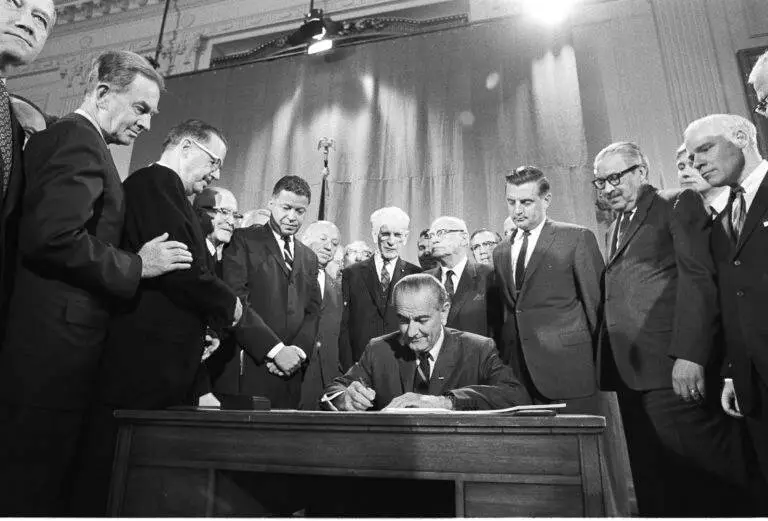
Fair Housing Series Part 10: The Fair Housing Act at 58 – Footnotes
You need to be logged in to view this content. Please
Log In
. Not a Member?
Join Us
Close
Font Resize
A-
A+
Clear cookies
Close
Accessibility by WAH