The Pre-Approval Trap: What a Mortgage Really Is—and Why Most Buyers Confuse Approval With Affordability

image (24)

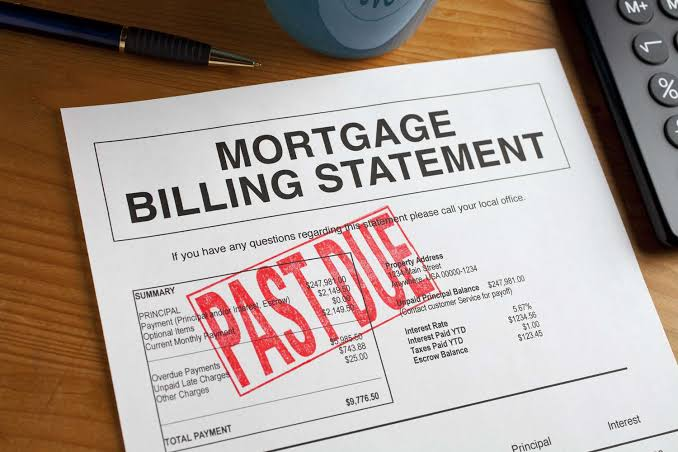
I have worked with homebuyers for years—across boom markets, rate shocks, bidding wars, and “normal” markets that never feel normal when you are the family trying to buy your first home. I have sat at kitchen tables, reviewed paystubs and bank statements, explained Loan Estimates line by line, and watched the same emotional pattern repeat itself with different faces. Most buyers want more house than they can afford. I understand why. A family is living in a 1,000-square-foot apartment with two or three children. Somebody is always in somebody’s way. Privacy is gone. Noise is constant. Stress is a background hum that never turns off. They do not only want space—they want relief. They want dignity. They want a fresh start. So the dream starts assembling itself in their minds before they ever talk to a lender. The wife imagines a big kitchen—granite countertops, an island, new appliances, that magazine-spread feeling of “I made it.” The husband imagines a three-car garage, a workshop corner, a big backyard, a place where the kids can run. Both of them imagine the neighborhood: tree-lined streets, safety, good schools, a white picket fence, the feeling of finally being “out” of the apartment life. Nothing about wanting better is wrong. The danger begins when the picture in their mind costs two or three times more than their actual budget—and yet they still qualify for the loan. That single moment—the phone call or email that says “Congratulations, you’re pre-approved”—becomes psychological permission. It feels like the bank just certified their dream. It feels like a professional, objective third party just validated what their heart already wanted. It feels like the argument is over. But what most buyers do not understand is this: a pre-approval is not a budget. And that is where the dream becomes the trap. Because in reality, many buyers buy a house that fits their pre-approval but not their budget. They will make it work. They will stretch. They will hustle. They will take on overtime. They will cut corners. They will sacrifice. They will tell themselves, “It’s only for a season,” and then that season becomes a decade. They will feel proud because they moved into a better neighborhood. They will feel accomplished because their friends are impressed. They will feel successful because they “leveled up.” And then, for many, the pride slowly turns into pressure—quiet at first, then constant. The dream flips. The dream becomes a nightmare, not because homeownership is bad, not because lending is immoral, and not because the buyer is foolish. The nightmare happens because the foundation was wrong. They did not need the biggest house they could qualify for. They needed a house that fits their budget. They needed a house they can actually afford, that they can actually pay off, that gives them shelter, stability, and the margin to build real wealth. That sentence sounds simple. It is not simple in practice, because it requires a person to stop using the house as a statement of identity and start treating the house as a disciplined financial decision. To do that, we have to get clear about two things that Americans routinely confuse: What a budget is What a mortgage really is 1) Budget vs. Pre-Approval: Two Different Universes Now, in case you are lost, let me define what a budget is—because a budget is not a mortgage pre-approval. A pre-approval is what a lender is willing to lend you based primarily on your credit profile, assets, and gross income, using underwriting guidelines and ratios that are designed to protect the lender. A budget is what your life can sustain based on take-home pay, real living expenses, future goals, and the reality that problems do not ask permission before they show up. That difference is not a minor technicality. That difference is the line between a mortgage that serves your life and a mortgage that consumes your life. The first difference: a pre-approval does not take into consideration your living expenses A lender’s underwriting model is not built around your actual household rhythm. Lenders are not fully counting, in the way you experience them: groceries and household supplies gasoline, tolls, commuting, and parking utilities that rise with square footage childcare and school costs cell phones and the internet car insurance, repairs, and replacements health insurance considers payroll deductions, not your lived medical reality prescriptions, copays, dental work, and “surprise” medical bills family obligations (supporting parents, helping siblings, church giving, community commitments) the cost of being alive in a modern economy   Some of these items are “considered” indirectly through residual income calculations in certain programs, or through general assumptions, but that is not the same as your real monthly cash flow. Most buyers discover this only after they move in—when the new house has new costs, the utility bill rises, and the “unknown unknowns” show up. The second difference: a pre-approval is based on gross income, not take-home pay This is where the illusion becomes dangerous. Many underwriting ratios are based on gross income—income before taxes, before insurance, before retirement contributions, before payroll deductions. But you do not live on gross income. You live on take-home pay. So when a buyer says, “The bank says my debt-to-income ratio is 45%,” they often do not realize what that means in real life. Once you remove taxes and deductions, the household’s actual debt burden can feel like 70% to 75% of take-home pay, especially when the mortgage is at the top of the pre-approval range. That leaves a thin slice of cash flow for everything else. Food. Gas. Utilities. Insurance. Maintenance. Emergencies. Saving. Investing. Living. And here is the part nobody wants to admit until the stress becomes permanent: You cannot build wealth without margin. If your housing decision kills your margin, you might still be “approved,” but you are not stable. You are surviving. That is what happens when people treat pre-approval as permission instead of treating a budget as protection. 2) Margin: The Difference Between Homeownership and