
Black History Month Part 1: Introduction: The Origins and Global Evolution of Black History Month

image 2025 08 28t222954.675

Black History Month is an essential observance that acknowledges and celebrates the significant contributions of Black individuals across the world. ✨ Originating in the United States, this month-long celebration has evolved into an international event, marked by various countries to honor the achievements, culture, and history of the African diaspora. ???????? As February marks Black History Month in the United States and Canada, and October is dedicated to its celebration in the United Kingdom, it’s important to reflect on how the observance has grown and why it remains vital in today’s society. ???? This article will explore the origins of Black History Month, its expansion globally, and its continued significance in shaping our understanding of history and addressing ongoing challenges.???? Origins: Carter G. Woodson’s Vision and the Birth of Negro History WeekCarter G. Woodson, known as the “Father of Black History,” played a pivotal role in establishing the framework for what is now celebrated as Black History Month. ????‍???? Born in 1875 to formerly enslaved parents, Woodson faced significant educational barriers. Yet, he earned a Ph.D. from Harvard University and recognized the lack of African American history in mainstream education. ???? He believed that African Americans needed to understand their rich heritage to combat stereotypes and affirm their contributions to the country.In 1915, Woodson founded the Association for the Study of African American Life and History (ASALH) to promote the study of Black history, and in 1926, he initiated Negro History Week. ???? Woodson chose the second week of February to coincide with the birthdays of Abraham Lincoln (February 12) and Frederick Douglass (February 14), two key figures in the fight for African American freedom and equality. ????️ By linking the week to these dates, Woodson sought to highlight their historical significance and inspire broader recognition of Black history.The purpose of Negro History Week was to encourage schools and organizations to recognize the achievements of African Americans. ???? Woodson’s vision was not only to highlight historical figures but also to educate the broader public about the pivotal role African Americans had in shaping U.S. society. He believed that understanding this history would inspire Black communities and challenge the dominant, exclusionary historical narratives.Over time, the observance of Negro History Week grew in popularity, with schools, churches, and civic groups across the country embracing the celebration. ✨ By the 1960s, during the Civil Rights Movement, there was a stronger emphasis on Black history, and the week became a platform for addressing the racial inequalities faced by African Americans. This period marked a surge in the appreciation of Black contributions and a broader recognition of their role in history. ????In 1976, President Gerald Ford officially expanded the celebration to Black History Month, coinciding with the U.S. Bicentennial. ???????? While Woodson did not live to see the full recognition of Black History Month, his advocacy laid the groundwork for the larger observance that continues today. ???? Black History Month’s official designation was the culmination of decades of work by scholars and activists to ensure that Black history would no longer be marginalized.Carter G. Woodson’s establishment of Negro History Week was a monumental step toward recognizing the accomplishments and struggles of African Americans. ???? His legacy continues to inspire Black History Month today, an observance that not only honors the past but also serves as a reminder of the ongoing fight for racial equality. ✊ Through education and celebration, Woodson’s vision has become an enduring platform for honoring Black history year-round.???? Global Celebrations: The Spread of Black History Month Beyond the U.S.While Black History Month originated in the U.S., its significance and recognition have spread globally, with countries around the world celebrating Black history in various ways. ???? Each nation has adapted the observance to its unique historical and cultural context.  Canada: In Canada, Black History Month is celebrated in February, aligning with the U.S. celebration. ???? The month is also a time to reflect on the struggles faced by Black Canadians, particularly in the context of racial discrimination, immigration, and cultural integration.  United Kingdom: In the UK, Black History Month is celebrated in October, a shift from the U.S. and Canadian observance in February. ???? While it is a time to celebrate historical achievements, it is also an opportunity to confront contemporary challenges, such as race relations, discrimination, and the push for greater representation in various sectors of society. Ireland: Ireland began observing Black History Month in 2010, a more recent addition to the global celebration. ???? The celebration provides a platform for Irish-born and immigrant Black communities to share their stories, struggles, and achievements. Events include cultural festivals, academic discussions, and performances by Black artists, which contribute to raising awareness of racial equality and integration within Irish society. ???? Purpose: Celebrating Progress and Addressing Ongoing ChallengesBlack History Month serves a dual purpose: celebrating the remarkable achievements of Black individuals throughout history and reflecting on the ongoing challenges faced by Black communities. ???? It is a time to acknowledge the significant strides made in areas such as civil rights, politics, the arts, science, and education. ???? From the abolition of slavery to the Civil Rights Movement and the modern-day fight for racial equality, Black History Month highlights the perseverance, resilience, and contributions of African Americans to the nation’s development. However, Black History Month is also a vital opportunity to confront the issues that continue to affect Black communities today. ???? Despite the progress made over the centuries, racial inequality remains a pervasive problem in many societies. Black History Month encourages a broader conversation about these challenges, urging continued advocacy for change and social justice. ???? ConclusionBlack History Month is a crucial observance that has grown from its origins in the United States to become a global event. ???? By understanding the origins of Black History Month and recognizing the importance of global participation, we can better appreciate the richness of Black culture and the importance of continued dialogue on social justice and equality. ???? By understanding the origins of Black History Month and recognizing the importance of global participation, we

Black History Month: Part 2. Breaking Barriers: The Rise of Black Leadership Across Sectors
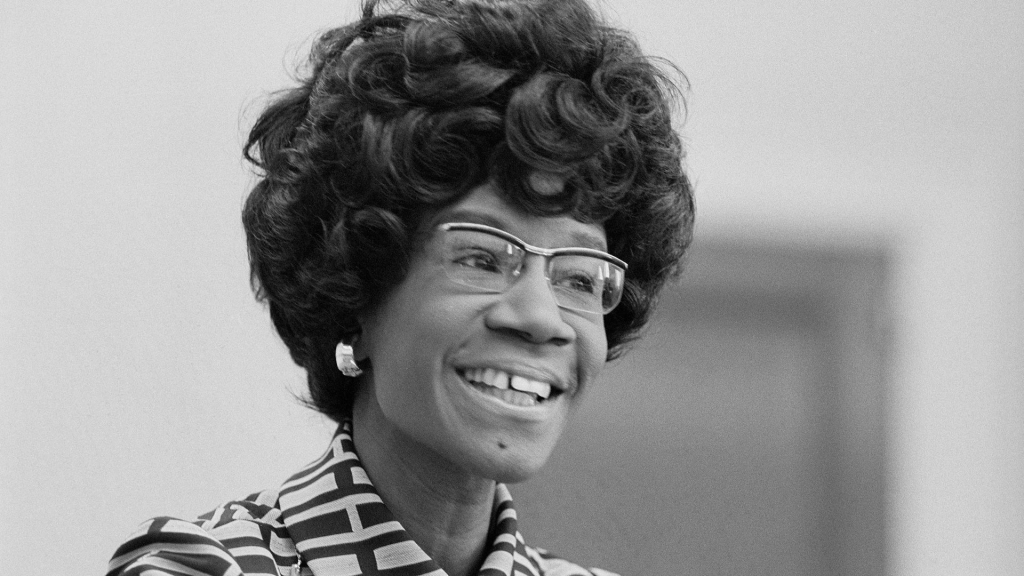
image 2025 08 28t224429.465

The last few decades have seen a remarkable transformation in the landscape of leadership across various sectors. Black leaders, once few and far between in government, business, and other fields, are now emerging in unprecedented numbers, breaking down barriers that have long existed. These milestones are not merely symbolic but reflect tangible progress in creating a more inclusive and equitable society. The representation of Black individuals in leadership roles not only influences policy and societal perceptions but also creates new opportunities for future generations. ????????This article explores the recent appointments, elections, and achievements of Black leaders in government, business, STEM, finance, and the arts. It will also analyze how this growing representation impacts societal change, shifts perceptions, and fosters a climate where future generations are empowered to reach their full potential. ???????????? Breaking Barriers in Government ????️⚖️The political realm has seen significant strides in Black representation, particularly with trailblazers who have fought for change in policies that affect marginalized communities. Shirley Chisholm was the first Black congresswoman elected to the U.S. House of Representatives in 1968. ????️ Representing New York’s 12th Congressional District, Chisholm dedicated her time in office to advocating for education, healthcare, and civil rights, becoming a champion for the rights of women and people of color. Her trailblazing journey continued when she ran for the Democratic nomination for president in 1972, becoming the first Black woman to run for president of the United States. ???????????? In modern times, Yvette Clarke, who succeeded Chisholm in representing New York’s 9th Congressional District, has continued to carry the torch of Black political leadership. Elected in 2007, Clarke has built on Chisholm’s legacy by championing policies focused on healthcare, education, and social justice. ???????? As one of the few Black women serving in Congress, Clarke’s position allows her to influence legislation that impacts her constituents and beyond, focusing on racial justice and equity. ⚖️✊????Another key figure in recent Black political leadership is Eric Adams, the first Black mayor of New York City. ????️ Elected in 2021, Adams, a former NYPD captain, ran on a platform of public safety reform, economic recovery, and addressing racial disparities. His election came at a time of national reckoning on police reform, and Adams’s leadership sought to find a balance between improving public safety and fostering trust between law enforcement and the community. ???????? His historic election underscores the importance of Black leadership in the political sphere, particularly in cities where policies must address the needs of diverse and often marginalized populations. ????️ Representation in Business and Entrepreneurship ????????In the business world, Black leaders have risen to prominent positions, challenging long-standing barriers in corporate America and entrepreneurship. One standout figure is Kenneth Frazier, the former CEO of Merck & Co. and one of the highest-ranking Black executives in the pharmaceutical industry. ????????????‍???? Frazier’s leadership at Merck demonstrated the power of diversity at the top of corporate hierarchies, and he used his position to push for racial equity within the company and throughout the healthcare sector. His legacy extends beyond his corporate accomplishments as he remains an outspoken advocate for social justice and inclusion. ⚖️????Alongside corporate leaders like Frazier, Black entrepreneurs have made an indelible impact on various industries. Richelieu Dennis, founder of Sundial Brands, made history by building his company into a globally recognized brand in the personal care industry, eventually selling it to Unilever for over $1 billion. ????????️ Dennis’s work extends beyond business, as he now mentors other Black entrepreneurs through his investment firm, Essence Ventures, which focuses on supporting Black-owned businesses. His success story is emblematic of the larger shift taking place, where Black entrepreneurs are increasingly shaping industries and driving innovation across sectors. ???????? In the tech industry, Michael Adex, a London-based entrepreneur, is empowering Black-founded startups, particularly those in emerging fields such as artificial intelligence and blockchain. ????️???? By investing in new technologies and providing mentorship to Black entrepreneurs, Adex is helping to create a more inclusive tech ecosystem. His work reflects a growing recognition that diversity is essential to technological advancement and that underrepresented groups can contribute significantly to the evolution of the industry. ???????? Breaking Barriers in STEM, Finance, and the Arts ????????????Black representation in fields like STEM (Science, Technology, Engineering, and Mathematics), finance, and the arts is also on the rise, as talented individuals are pushing boundaries and making significant contributions to their respective fields. ????????????Dr. Mae Jemison made history as the first Black woman to travel to space in 1992. ???????? Jemison’s achievement was not only a personal triumph but also a pivotal moment for women and people of color in STEM. Since her historic spaceflight, Jemison has become an advocate for diversifying the STEM fields, focusing on inspiring young Black girls to pursue careers in science and technology. Her work, including founding the Dorothy Jemison Foundation for Excellence, continues to encourage the next generation of innovators to reach for the stars. ????????????‍???? In the finance sector, Kristy Fercho, head of diversity and inclusion at Wells Fargo, has worked tirelessly to increase Black representation at all levels within the company. ???????? Fercho is a leader in promoting policies that address the systemic inequities that have long existed in financial institutions. Her leadership focuses on ensuring that Black employees have opportunities for growth and that communities of color have better access to financial services and resources. ???????? In the arts, Black creators are shaping culture and pushing the boundaries of expression. One notable figure is Kerry James Marshall, an artist whose work explores the representation of Black life in American art. ????????️ Marshall’s paintings have been displayed in major museums, and his influence on the art world has inspired a new generation of Black artists. Similarly, Beyoncé, through her music and visual art, continues to break cultural boundaries while advocating for racial justice and gender equality. ???????? These Black artists are not just changing the art world—they are also shifting cultural narratives and challenging long-held assumptions about race and identity. ????️???? The Impact of Representation on Policy

Black History Month Part 3: The Power of Black Creativity: Honoring Legacy, Shaping the Future
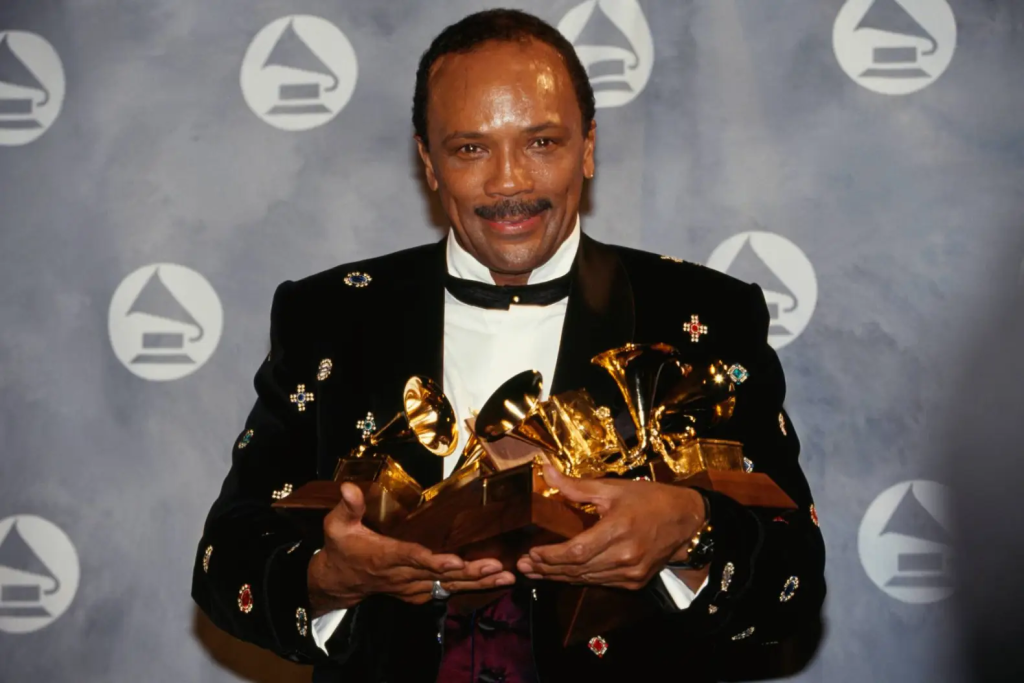
image 2025 08 28t230301.206

The Power of Black Creativity: Honoring Legacy, Shaping the Future Black artists, musicians, filmmakers, and writers continue to leave an undeniable mark on global culture, shaping trends, challenging narratives, and creating groundbreaking works that inspire generations. Over the past year, Black creatives have made remarkable strides in their respective fields, further cementing their influence on mainstream culture. From music to film, literature to visual arts, their contributions entertain and serve as powerful reflections of history, identity, and resilience. ✊???????? Honoring a Titan: Quincy Jones’ Legacy and Impact To understand the true impact that African Americans have had on music, culture, and the very infrastructure of the entertainment industry, you need not look further than Quincy Jones. His name is synonymous with excellence, innovation, and a relentless commitment to elevating Black artistry. From his early days as a jazz musician to becoming one of the most influential producers and executives in music history, Jones broke down barriers that once excluded Black artists from full participation in the industry. As the producer of We Are the World, Jones demonstrated the power of music as a unifying force. He brought together the biggest artists of his time to raise awareness and funds for humanitarian causes. His ability to shape the careers of legends like Michael Jackson, producing Off the Wall, Thriller, and Bad, revolutionized the industry. He didn’t just make music—he changed how the world listened to and embraced Black culture. The world lost a cultural architect when Quincy Jones passed away on November 3, 2024. The 2025 Grammy Awards honored him with a star-studded tribute featuring performances by icons like Stevie Wonder, Janelle Monáe, Cynthia Erivo, and Herbie Hancock. His influence is woven into the very fabric of the industry, from the CEOs at the top to the producers, managers, and agents who continue his legacy. Cultural Milestones: Honoring the Past, Inspiring the Future Cultural milestones are not just about current successes but also about honoring past movements and achievements that have paved the way. Historical anniversaries like the Harlem Renaissance remind us of the longstanding impact of Black creativity. Institutions nationwide honored this milestone with exhibitions, discussions, and performances celebrating the writers, musicians, and artists who shaped this influential era. ???????? Moreover, 2024 marks 50 years since the release of Super Fly (1974) ????????, a film that contributed to the rise of Blaxploitation cinema, influencing modern Black storytelling in film and television. Recognizing these anniversaries reminds us that Black creativity is not only about the present but is also deeply rooted in historical moments that paved the way for today’s innovators. ???????? ???? Black Excellence in Music: Pushing Boundaries and Breaking Records ???????? Music has long been a medium through which Black artists express their lived experiences, challenge societal norms, and innovate genres. Over the past year, Black musicians have achieved remarkable milestones across various genres. ???????? One of the most talked-about moments in music was Beyoncé’s release of Cowboy Carter ????????, an album that boldly ventured into country music—a genre deeply rooted in African American history but often whitewashed in mainstream representation. The album, featuring collaborations with artists like Willie Jones and Mamii, reintroduced country music’s Black origins to the forefront of cultural discussions. Not only did Cowboy Carter receive widespread critical acclaim, but Beyoncé also became the first Black woman to win Album of the Year at the Grammys ????, solidifying her legacy as a genre-defying artist. Hip-hop, another genre founded by Black artists, saw continued dominance in 2024. Kendrick Lamar’s politically charged song Not Like Us ???? earned both Song of the Year and Record of the Year at the Grammys. His work continues to push conversations about systemic oppression, identity, and culture, reinforcing hip-hop’s role as a platform for activism. ????️✊???? Lamar also made history with his Super Bowl LVIII halftime performance, which became the most-watched history, shattering previous records with over 130 million viewers worldwide ????????. The performance featured a mix of his greatest hits alongside Not Like Us, delivering a powerful message on resilience, unity, and Black empowerment. His set was widely praised for its bold political and cultural statements, further cementing his place as one of hip-hop’s most important voices. Beyond Kendrick, hip-hop set multiple records in 2024. The genre saw its highest streaming numbers, with artists like Drake, J. Cole, Nicki Minaj, and Travis Scott dominating the charts. Afrobeats, led by artists like Tems, Burna Boy, and Wizkid, also reached unprecedented global success, proving once again that Black music remains at the forefront of innovation and influence. ???????? ???? Conclusion: Celebrating Black Creativity ???? Black creativity is a cornerstone of cultural evolution, consistently redefining industries and shaping how we experience music, film, art, and literature. Over the past year, Black artists have continued to break barriers, celebrate heritage, and influence mainstream culture in ways that cannot be ignored. ???????????????? As we celebrate these achievements, it is crucial to support Black creatives, acknowledge their contributions, and ensure their work receives the recognition it deserves. Their influence is not only historical but ongoing, ever-evolving, and essential to the cultural landscape. For me, this is personal. I am a writer, a poet, a songwriter, and a singer. I taught myself how to play the piano, then stopped, forgot everything, and had to teach myself all over again. As I get older, I appreciate the arts more than ever. Every day, I write, practice piano, and work on my fourth book of poetry. The talent, artistry, inspiration, and emotional intelligence it takes to write songs or play music that moves people inspire me to be the best artist, pianist, writer, singer, and poet I can be—because they did, and so I can. Music and art are the absolute evidence and manifestation of our designer and Creator, God. We are not accidents, born out of chaos into order and intelligence. That’s ridiculous science. We are incredible creators, just like our Creator, and as artists, writers, and musicians, we are changing the world—just as He created the world and us. Quincy Jones, Kendrick Lamar, Beyoncé, Jean-Michel Basquiat, Toni Morrison, Ava DuVernay—these creators, and many more, continue to show us what is possible. Their work is not just entertainment. It is a revolution. It is a testimony. It is the foundation for future generations. For those

Black History Month Part 5a: Debunking the Myths: Who Really Benefits from DEI and Affirmative Action?
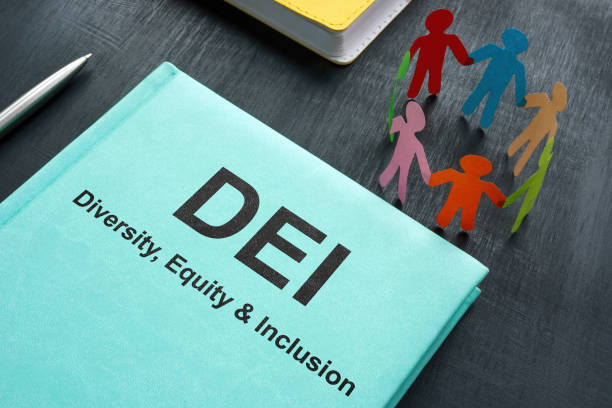
image 2025 08 29t123407.789

The War on DEI and the Misinformation Problem Diversity, Equity, and Inclusion (DEI) and Affirmative Action policies have become highly politicized, with conservative forces aggressively rolling back these programs at the corporate, educational, and governmental levels. The attacks on DEI frame it as a radical, race-based system that unfairly benefits minorities at the expense of others, particularly white Americans. However, the reality is starkly different. White women have been the biggest numerical beneficiaries of affirmative action and DEI. Still, African Americans have gained the most as a percentage of their population—which makes sense when considering the long history of racial exclusion in America.This blog will debunk the myths surrounding DEI and Affirmative Action, clarify who truly benefits, and explain why these policies are essential for justice and equity in the United States. The Data: Who Benefits from DEI and Affirmative Action?A common misconception is that DEI and Affirmative Action exclusively benefit African Americans and other racial minorities. The reality is more nuanced. By the Numbers: White Women: 6 million white women have directly benefited from Affirmative Action, especially in workplace hiring and promotions. Minorities (Black, Hispanic, Asian, Native American, etc.): 5 million have benefited from these programs in various ways. African Americans: While exact numbers for Black Americans are difficult to isolate, estimates suggest that 2.5 million or more of the 5 million minority beneficiaries are Black. By Percentage of Population: White Women: There are 110 million white women in the U.S. If 6 million have benefited from Affirmative Action, only 5.5% have. African Americans: There are 14 million Black Americans in the U.S. If around 2.5 million have benefited, that means nearly 18% have gained from these policies. ➡️ Conclusion: While white women are the largest numerical beneficiaries, African Americans have benefited at a higher percentage—which makes sense, given the structural barriers they have faced throughout history. Why African Americans Have a Higher Proportional BenefitWe must acknowledge historical context to understand why African Americans benefit at a higher percentage. Forced Displacement and Enslavement Millions of Africans were forcibly taken from their homelands and subjected to brutal chattel slavery for over 250 years. Many died in the transatlantic slave trade before ever reaching American shores. Those who survived faced centuries of systemic oppression, preventing them from accumulating wealth, land, or equal rights. Post-Slavery Oppression: Jim Crow and Redlining After slavery ended, Jim Crow laws, Black Codes, and segregation ensured that Black Americans remained economically and socially disenfranchised. Redlining prevented Black families from owning homes and building generational wealth. Workplace discrimination kept Black workers in low-wage jobs for decades. Resistance to Black Inclusion in Society Every time Black Americans have made progress, there has been aggressive backlash—from violent attacks (Tulsa Massacre, Rosewood, etc.) to policy reversals (War on Drugs, mass incarceration). Even after civil rights victories like the Civil Rights Act (1964), the Fair Housing Act (1968), and the Equal Employment Opportunity Act (1972), resistance to Black advancement persisted. ➡️ Given this history, it is not surprising that African Americans have a high proportional benefit from DEI and Affirmative Action. These policies were put in place to counter centuries of systemic exclusion.Debunking Myths About DEI and Affirmative ActionMyth #1: DEI is Only for Black People❌ Reality: DEI programs benefit all marginalized groups, including white women, Hispanic Americans, Asian Americans, LGBTQ+ individuals, and disabled workers. ➡️ Example: The biggest beneficiaries of corporate gender diversity programs have been white women, not Black women. Myth #2: Affirmative Action and DEI Create “Reverse Discrimination”❌ Reality: There is no widespread evidence that DEI or Affirmative Action result in white Americans being systematically excluded.➡️ Fact: White men still hold over 75% of Fortune 500 CEO positions and dominate leadership roles across corporate America, academia, and politics.Myth #3: African Americans Don’t Need DEI Anymore❌ Reality: Black Americans still face massive disparities in wealth, education, homeownership, and leadership.➡️ Fact: The racial wealth gap is wider today than in the 1960s. The average Black family holds just 10% of the wealth of the average white family.The Rollback of DEI and Affirmative Action: A New Form of ResistanceRecent Supreme Court decisions and Republican-led state bans on DEI reflect a broader backlash against racial and gender equality efforts. Key Developments: Affirmative Action in College Admissions: Struck down in 2023. DEI Bans in Corporations and Universities: Texas, Florida, Alabama, and Iowa have banned DEI offices at public universities. Major corporations like McDonald’s, Boeing, and Walmart have cut back DEI commitments. Universities like the University of Florida and University of North Florida have eliminated DEI offices. ➡️ This rollback is not about fairness. It’s about reversing decades of progress.The Future: Why DEI and Affirmative Action Must ContinueDespite political attacks, some companies and universities are standing firm in support of DEI: Apple, Costco, and JPMorgan have reaffirmed their DEI initiatives. Black-led organizations and advocacy groups continue to push for fair hiring and racial equity policies. Why These Policies Must Continue:✔️ They correct for past injustices.✔️ They promote a fairer, more competitive economy.✔️ They ensure that talent and opportunity are not wasted due to discrimination.➡️ The fight for DEI and Affirmative Action is the fight to continue the legacy of the Civil Rights Movement. If these policies are dismantled, so is the promise of equality.Final Thoughts: The Truth About DEI and Affirmative Action???? DEI and Affirmative Action are not about exclusion; they are about inclusion.???? White women have numerically benefited the most, but African Americans have gained the most proportionally—rightfully so, given their historical exclusion.???? Efforts to eliminate these policies are part of a long pattern of backlash against racial progress.???? The fight for true equity is not over. Now is the time to push back against misinformation and advocate for policies that truly make the American Dream accessible to all.???? Take Action: The Fight for DEI and Equal Opportunity Continues!The rollback of DEI and Affirmative Action is a direct attack on the progress we’ve made toward a fair and just society. Misinformation is spreading, and the truth must be told. We cannot afford to go backward.Here’s How You Can Get Involved:✅ Stay Informed: Share this blog and educate your network about the realities of DEI and Affirmative Action. Use your voice to counter misinformation.✅ Advocate for Equity: Support organizations, businesses, and universities that are standing firm on DEI initiatives. Demand accountability from corporations that are rolling back diversity programs.✅ Engage with Me: Let’s continue the conversation! I’m dedicated to empowering individuals and businesses through real estate, financial literacy, and advocacy.???? Connect with Me:???? Eric L. Frazier, MBA???? CEO | Business Consultant | Real Estate & Mortgage Expert???? Email: eric.frazier@thepowerisnow.com???? Website: www.thepowerisnow.com???? LinkedIn: linkedin.com/in/ericlfrazier???? YouTube: youtube.com/ThePowerIsNow???? Follow Me on Social Media: @EricLFrazier | @ThePowerIsNow ???? The fight for equity is not over—let’s keep pushing forward together! Join

Black History Month Part 4: Legislative Progress and Advocacy A Year of Change and Challenges

image 2025 08 29t121035.596

Legislative Progress and Advocacy – A Year of Change and Challenges In recent years, the United States has undertaken significant legislative efforts to address racial inequities across various sectors, including housing, education, healthcare, and voting rights. While these initiatives have led to notable advancements, they have also sparked challenges, underscoring the nation’s ongoing battle for equity and economic justice.Black lawmakers, grassroots organizations, and housing advocates are at the forefront of this progress, tirelessly advocating for fair policies that ensure historically marginalized communities have equal access to resources and opportunities. Their efforts are vital in shaping public policy, guaranteeing that economic and social mobility are not confined to the privileged few.???? Housing: Breaking Barriers to HomeownershipThe Challenge: Racial Disparities in HousingDespite multiple state and federal programs aimed at assisting first-time homebuyers and low-income families, homeownership rates for Black Americans continue to be significantly lower than those for white Americans. The primary barriers include:✔ Credit discrimination✔ Higher mortgage interest rates✔ Limited access to financial education✔ Restrictive lending practicesAddressing these issues demands ongoing legislative commitment, investment in financial literacy programs, down payment assistance initiatives, and reforms in lending practices to make homeownership a reality for more families of color. Prominent Housing Advocates and Organizations???? National Fair Housing Alliance (NFHA) – Lisa RiceLisa Rice, President and CEO of the National Fair Housing Alliance (NFHA), leads the battle against housing discrimination and strives to broaden equal housing opportunities nationwide. NFHA collaborates with over 170 organizations to:✔ Advocate for stronger fair housing laws✔ Hold banks and mortgage lenders accountable✔ Provide resources for homebuyers in marginalized communities✔ Ensure anti-discrimination policies are enforcedRice played a crucial role in shaping the key provisions of the Dodd-Frank Act, which resulted in the establishment of the Consumer Financial Protection Bureau’s (CFPB) Office of Fair Lending. Her ongoing efforts are addressing racial disparities in the housing market. ???? Neighborhood Partnership Housing Services (NPHS) – Clemente MojicaIn Southern California, Clemente Mojica heads Neighborhood Partnership Housing Services (NPHS), an organization transforming affordable housing with manufactured homes.Key initiatives include:✔ Factory-built housing initiatives to reduce construction costs and increase affordability✔ 99-year ground lease programs that prevent housing price inflation✔ Energy-efficient homes equipped with solar panels and sustainability features✔ $40,000 down payment assistance grants for first-time homebuyersMojica’s work has gained national attention, and in May 2022, he testified before Congress, advocating for manufactured housing as a solution to the affordable housing crisis.???? Richmond Neighborhood Housing Services (RNHS) – Nikki BeasleyIn Northern California, Nikki Beasley, Executive Director of RNHS, is tackling racial disparities in homeownership and financial literacy. Under her leadership, RNHS has:✔ Doubled its rental portfolio, providing affordable housing for low-income families✔ Helped over 300 first-time homebuyers secure housing✔ Launched financial literacy programs to educate future homeowners✔ Created the Emerging Developer Program to train BIPOC professionals in real estate development ???? Homeownership Council of America (HCA) – Gabe del RioNationally, Gabe del Rio and the Homeownership Council of America (HCA) are spearheading efforts to increase homeownership opportunities for people of color through Special Purpose Credit Programs (SPCPs). Special Purpose Credit Programs (SPCPs): Expanding HomeownershipSPCPs allow lenders to create mortgage products specifically for historically marginalized communities, offering:✔ Lower interest rates✔ Reduced down payment requirements✔ Flexible credit underwriting✔ Forgivable down payment grantsHCA works directly with banks and credit unions to implement SPCPs that expand homeownership access while complying with federal regulations. ???? Golden State Finance Authority (GSFA) – Carolyn SunseriThe Golden State Finance Authority (GSFA), directed by Carolyn Sunseri, Director of Marketing and Stakeholder Relations, has been a pivotal force in providing down payment assistance (DPA) to Californians for over thirty years. GSFA has provided more than $640 million in DPA and closing cost assistance, aiding more than 84,800 individuals and families in achieving homeownership. ???? California Housing Finance Agency (CalHFA) – Tiena Johnson HallThe California Housing Finance Agency (CalHFA), established in 1975, has provided affordable housing solutions for low- and moderate-income Californians. Under the leadership of Executive Director Tiena Johnson Hall, CalHFA has:✔ Provided over $1 billion in funding to assist California homebuyers✔ Expanded its down payment assistance programs, such as MyHome and Dream For All✔ Partnered with local governments and nonprofits to create new affordable housing opportunities The Impact of School Vouchers on Housing and Low-Income CommunitiesAs housing advocates work to expand homeownership opportunities, a new challenge is emerging in education policy that could have long-term effects on low-income communities: school vouchers.President Trump’s administration has actively promoted school choice and voucher programs, enabling parents to use public education funds for private schools. Although these initiatives assert that they provide educational freedom, they seriously threaten underfunded public schools in marginalized communities. How School Vouchers Weaken Public Schools and Affect Housing✔ Funding loss for public schools: As students leave for private schools, public schools lose funding but still must cover operational costs.✔ Declining neighborhood appeal: Public schools are often a major draw for families considering homeownership in low-income communities. If these schools deteriorate, home values in those areas could decline further.✔ The growing divide in racial and economic segregation: Higher-income families gain more from vouchers, while low-income families may be stuck with underperforming public schools and limited resources. For homeownership efforts to succeed, education and housing policies must work together to ensure that low-income families aren’t forced to choose between quality schools and stable housing. ???? Conclusion: A Critical Time for Housing & Education EquityThe fight for racial equity in housing and education is far from over. While housing advocates are making strides in homeownership access, voucher programs in public education are presenting new challenges. ???? Take Action: Share & Engage✔ Share this blog to raise awareness about the fight for fair housing and education equity.✔ Share your thoughts below: Do school vouchers help or hurt public schools?✔ Stay informed & support organizations advocating for equity. ???? Follow me for housing, real estate, and financial literacy updates.???? Ready to Make a Move in Real Estate?If you’re interested in homeownership, mortgage financing, or real estate investment, I’m here to help. Let’s build generational wealth together! ???? Contact me today!???? Eric Lawrence Frazier, MBAPresident | CEO | The Power Is Now Media???? Eric.frazier@thepowerisnow.com???? Book a Consultation: Click Here???? SHARE THIS BLOG! Let’s ensure everyone has access to the resources they need to achieve homeownership and financial freedom! ????????✊????

Black History Month Part 5b: Economic Empowerment in Black Communities: Bridging the Wealth Gap

image 2025 08 29t124623.616

Economic empowerment in Black communities is essential for bridging the racial wealth gap and fostering financial independence. Black entrepreneurs and professionals have made significant strides, contributing to the U.S. economy through business ownership, homeownership, and investment. However, despite these achievements, systemic barriers continue to hinder economic progress, making it imperative to support initiatives that promote financial literacy, entrepreneurship, and equitable access to capital. For generations, Black Americans have faced discriminatory policies that limited wealth-building opportunities. Redlining ????❌, lending discrimination ????????, and lack of access to financial education ???? have left many Black families at an economic disadvantage. According to the Federal Reserve, the median wealth of a Black family in 2022 was $44,900, compared to $285,000 for white families. This stark contrast highlights the need for focused efforts to close the wealth gap and create sustainable economic opportunities. This article explores the progress made in supporting Black businesses, highlights key financial literacy and wealth-building initiatives, examines persistent challenges, and offers solutions for creating long-term economic empowerment.The Growth of Black-Owned Businesses ????????Black-owned businesses play a crucial role in job creation and community development. Over the past decade, there has been a surge in the number of Black entrepreneurs. According to the U.S. Census Bureau, the number of Black-owned businesses increased by nearly 40% from 2017 to 2021, with revenue growing significantly. This growth is encouraging, as small businesses serve as key drivers of economic stability within communities.Despite these gains, Black-owned businesses continue to face challenges, including limited access to capital. Studies show that Black entrepreneurs are more likely to be denied loans and, when approved, receive lower amounts at higher interest rates than their white counterparts. This disparity limits business expansion, innovation, and job creation within Black communities.To counteract these barriers, organizations such as the Minority Business Development Agency (MBDA) and the National Black Chamber of Commerce provide mentorship, networking opportunities, and financial resources to Black entrepreneurs. Additionally, corporate initiatives like the One Million Black Businesses (1MBB) program, backed by Operation HOPE and Shopify, aim to create one million Black-owned businesses by 2030 through education, access to funding, and digital commerce support.Promoting Financial Literacy and Wealth-Building ????????Financial literacy is a cornerstone of economic empowerment. Without an understanding of budgeting, investing, and credit management, it is challenging for individuals to accumulate wealth. Unfortunately, financial education has not been widely accessible in many Black communities, leaving many individuals vulnerable to predatory lending and high-interest debt.Programs such as the National Foundation for Credit Counseling (NFCC) and local nonprofit organizations provide financial education workshops tailored to Black communities. Topics covered include: ✅ Budgeting and saving strategies✅ Credit score improvement✅ Homeownership preparation ????✅ Investment education ???? Homeownership is a crucial pathway to wealth accumulation. Historically, Black Americans have been excluded from equitable housing opportunities due to redlining and discriminatory lending practices. Today, organizations like Habitat for Humanity and the National Association of Real Estate Brokers (NAREB) work to increase Black homeownership through education, down payment assistance programs, and fair lending advocacy.Investment is another critical component of long-term wealth. The rise of Black investment clubs and financial literacy influencers has helped demystify stock market participation, real estate investment, and retirement planning. Encouraging a culture of investment can help Black families build generational wealth and reduce dependence on earned income alone. Systemic Barriers to Economic Equity ????❌While progress has been made, significant systemic barriers remain. The racial wealth gap is deeply rooted in historical injustices that have left Black Americans with fewer opportunities to accumulate assets. Key challenges include: 1. Limited Access to Capital ????????Black entrepreneurs are less likely to secure business loans or venture capital funding. A study by the Federal Reserve found that only 29% of Black-owned businesses receive the full amount of funding requested from banks, compared to 60% of white-owned businesses. This lack of access to capital stifles business growth and economic expansion. ???? Solution: Expanding alternative financing options, such as community development financial institutions (CDFIs), grants, and equity crowdfunding, can provide more accessible funding sources for Black entrepreneurs.2. Employment and Wage Disparities ????????Black workers are disproportionately employed in lower-wage industries and experience wage gaps even in high-paying professions. According to the Bureau of Labor Statistics, Black men earn 76 cents for every $1 earned by white men in similar roles.???? Solution: Strengthening workplace diversity policies, implementing fair pay legislation, and expanding access to high-quality education and job training programs can help address wage disparities. 3. Generational Wealth Disparities ????????The median white family has nearly six times the wealth of the median Black family. This gap means that Black families have less financial security, lower homeownership rates, and fewer opportunities to pass down wealth.???? Solution: Encouraging estate planning, life insurance investment, and financial literacy education for younger generations can help Black families preserve and grow wealth over time. Solutions and Policy Recommendations ????️????To achieve economic equity, both private and public sectors must implement policies that promote Black wealth-building. Some key recommendations include: Increasing Black Business Funding: Expanding government-backed small business loans and private investment funds for Black entrepreneurs. Advocating for Student Loan Forgiveness: Black college graduates carry higher student loan debt than their white peers, limiting their ability to buy homes or start businesses. Expanding Homeownership Programs: Federal and state governments should offer first-time homebuyer assistance and fair housing policies to increase Black homeownership rates. Strengthening Financial Education in Schools: Incorporating financial literacy into school curriculums can equip future generations with the knowledge to manage and grow wealth effectively. Corporate Accountability and Supplier Diversity: Encouraging corporations to invest in Black-owned businesses and hire Black professionals at leadership levels can promote economic inclusion. Conclusion ????????Economic empowerment in Black communities requires a multifaceted approach that addresses entrepreneurship, financial literacy, homeownership, and systemic barriers. While significant progress has been made, much work remains to create a more equitable economic landscape. By supporting Black-owned businesses, advocating for policy reforms, and prioritizing financial education, individuals and institutions can contribute to closing the racial wealth gap. True economic empowerment is not just about achieving financial success today—it’s about creating opportunities for future generations to thrive. At The Power

Black History Month Part 6: Educational Advancements: The Importance of Black History Education in Schools ????✊

image 2025 08 29t125300.715

Education serves as the foundation for shaping society, and the narratives taught in schools significantly influence students’ understanding of history, culture, and identity. One of the most debated aspects of modern education is the inclusion of Black history in school curricula. While Black history is an integral part of American history, its representation in classrooms has often been limited, selective, or entirely omitted. This has led to increased efforts to integrate a more comprehensive and accurate portrayal of Black history in schools, but these efforts have also been met with resistance in some areas.Black history education is not just about learning historical facts; it is about recognizing the contributions, struggles, and achievements of Black individuals throughout history. Without a well-rounded perspective, students are deprived of a holistic understanding of the nation’s past and how systemic inequalities persist today. This article explores the initiatives aimed at integrating Black history into education, the challenges faced in doing so, the programs that support Black students, and the role of educators and institutions in fostering an inclusive narrative.The Push for Black History in School Curricula ????????In recent years, there has been a growing demand for Black history to be fully integrated into school curricula rather than being confined to a single month of celebration. Organizations like the Association for the Study of African American Life and History (ASALH) and the NAACP have long advocated for educational reforms that ensure Black history is taught year-round and as an essential part of American history rather than an optional topic.Despite these efforts, several states have introduced policies restricting discussions on race, racism, and systemic inequality in classrooms. For instance, legislation in states like Florida and Texas has limited how teachers can address topics related to race, leading to controversy and legal challenges ⚖️. Opponents argue that these restrictions prevent students from learning about key historical events such as slavery, Reconstruction, the Civil Rights Movement, and the ongoing fight for racial justice ✊????. Proponents of these laws claim they seek to prevent divisive or politically charged content from being taught in schools. However, historians and educators stress that omitting or altering Black history distorts reality and undermines the educational system’s responsibility to provide an accurate and inclusive account of the past. Programs, Scholarships, and Mentorship Opportunities for Black Students ????????Beyond the push for inclusive curricula, various programs, scholarships, and mentorship opportunities have been established to support Black students and help close racial disparities in education. These initiatives provide financial assistance, academic guidance, and professional mentorship, ensuring that Black students have access to resources that empower them to succeed. ???? Scholarships play a crucial role in addressing economic barriers that often prevent Black students from pursuing higher education. Organizations like the NAACP, the United Negro College Fund (UNCF), and the Thurgood Marshall College Fund (TMCF) provide scholarships specifically for Black students. These scholarships ease the financial burden of tuition and related expenses, allowing students to focus on their education. ???? Mentorship programs offer guidance, networking opportunities, and career development. Initiatives like the National Black MBA Association’s Leaders of Tomorrow program and the Big Brothers Big Sisters African American Mentoring program pair Black students with professionals who can provide insight, encouragement, and career advice. These mentorship programs help students navigate academic challenges, develop leadership skills, and establish professional connections that can benefit them long-term. ????️ Historically Black Colleges and Universities (HBCUs) play an essential role in promoting Black excellence in education. HBCUs have historically provided Black students with higher education opportunities that were often denied at predominantly white institutions. Today, they continue to be a pillar of support by fostering academic achievement, cultural identity, and leadership among Black students. The Role of Educators and Institutions in Shaping an Inclusive Narrative ????????‍????????Educators and academic institutions play a fundamental role in how history is taught and perceived. Teachers are the frontline advocates for inclusive education, and their ability to present an accurate historical narrative is crucial. When schools adopt curricula that include Black history, students benefit from a more comprehensive understanding of American history, civil rights, and the broader implications of racial injustice. However, many teachers face challenges when trying to incorporate Black history into their lessons. A lack of resources, restrictive state policies, and insufficient training in teaching diverse histories can all serve as barriers ????. To address this, professional development programs for educators have been established to equip them with the necessary tools to teach Black history effectively. Organizations like Teaching Tolerance (now known as Learning for Justice) provide lesson plans, workshops, and educational materials that support educators in delivering inclusive content.????️ Colleges and universities also have a responsibility to integrate Black history into their curricula. By offering courses in African American studies, institutions of higher learning can help students gain a deeper appreciation of Black culture, history, and societal contributions. Additionally, some universities have implemented diversity, equity, and inclusion (DEI) initiatives to ensure that their academic programs reflect a broader range of perspectives and experiences.The Challenges of Resistance and Misinformation ????????Despite progress, the push for Black history education continues to face resistance. Some opponents argue that discussions about race and systemic injustice are divisive or unnecessary. Others falsely claim that teaching about racism and historical injustices promotes guilt or resentment among students. This misinformation has led to heated debates at school board meetings, legislative battles, and even attempts to ban certain books and resources from schools ????????. However, studies show that students who receive a well-rounded education, including Black history, develop better critical thinking skills, cultural awareness, and empathy ❤️. When students are exposed to different perspectives, they are better equipped to engage in constructive conversations about race and equality. Furthermore, inclusive education benefits all students, regardless of their background, by providing a more accurate and complete understanding of history.Conclusion ????????Promoting Black history in schools is not about rewriting history; it is about ensuring that history is told in its entirety. Education shapes the perspectives and beliefs of future generations, and excluding Black history from curricula does a disservice to all students. While challenges persist in integrating Black

Black History Month Part 7: Social Justice Movements: The Fight for Equality in 2024-2025
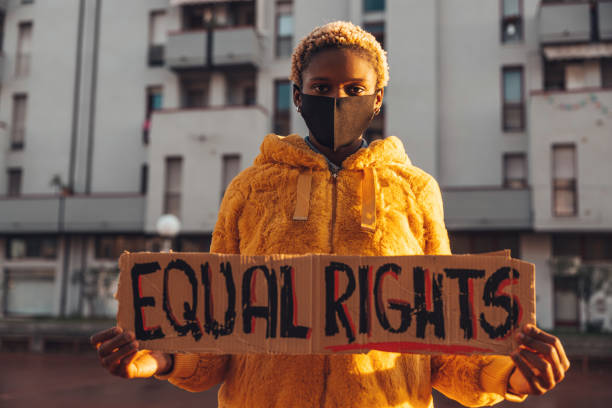
image 2025 08 29t125702.845

Social justice movements have long been integral to the struggle for equality in society, but in recent years, they have gained renewed urgency and visibility. ✊ As we enter 2024 and 2025, the fight for racial justice, police accountability, and criminal justice reform remains at the forefront of national and global conversations. ???? This era has seen monumental protests, legal trials, and advocacy campaigns that have mobilized millions to take action. ???? The role of social media in organizing and amplifying these movements cannot be overstated, as it has both revolutionized and complicated activism in the digital age. ???? This article will explore these ongoing efforts and the critical issues they address, from police brutality to systemic racial inequality, as well as the significant influence social media has had on pushing these movements forward. Major Protests, Trials, and Advocacy Campaigns Addressing Racial Injustice ⚖️In 2024-2025, social justice movements in the U.S. have continued to spotlight racial injustice, drawing attention to the pervasive impact of racism across various institutions. The Black Lives Matter (BLM) movement, which began in 2013, has continued to be a major force, not only in responding to police violence but also in advocating for broader social, political, and economic reforms. ✊ Across the country, protests and demonstrations have erupted following high-profile incidents of police brutality, including the killings of Black individuals by law enforcement officers. ????For example, the death of Tyre Nichols in Memphis, Tennessee, in early 2023 reignited national conversations about the relationship between law enforcement and communities of color. ???? Nichols, a 29-year-old Black man, was beaten by police officers during a traffic stop, leading to his death just days later. The graphic footage of his beating, which was released to the public, was met with protests across the country. ???? The outrage sparked calls for stronger reforms, including the federal banning of chokeholds and no-knock warrants and the implementation of police reforms at the state and local levels. ????️ Nichols’ case, like many before it, serves as a stark reminder of the continued racial disparities in policing and justice. ⚖️ Alongside protests, legal battles have played a critical role in the social justice fight. ⚖️ Several high-profile trials have emerged as pivotal moments in this ongoing struggle. The trial of Derek Chauvin, the officer responsible for the death of George Floyd, set a precedent for holding police officers accountable for excessive use of force. ✊ In 2023, Chauvin’s appeal in his conviction for second-degree murder was rejected by the U.S. Supreme Court, sending a powerful message that police accountability is achievable when the legal system works. ????️ These legal milestones continue to highlight the importance of using the courts to challenge systemic racial inequalities. ⚖️Additionally, advocacy campaigns focused on issues like voting rights, educational equity, and affordable housing have gained traction, with organizations like the NAACP, ACLU, and Color of Change leading the charge. ????️ These campaigns are often centered around legislative changes designed to reduce the barriers that perpetuate racial disparities and disenfranchisement. ✊ The Ongoing Fight for Police Accountability and Criminal Justice Reform ????Efforts to reform policing practices and overhaul the criminal justice system have been central to the larger fight for racial justice. ✊ While the national conversation surrounding police brutality began to gain widespread attention in 2014 following the death of Michael Brown in Ferguson, Missouri, the calls for reform have grown louder in recent years. ???? In 2024 and 2025, the ongoing push for greater police accountability, particularly in cases involving the deaths of Black individuals, remains a key focus. ⚖️A growing number of states and local governments have passed or proposed legislation aimed at reforming police departments. ????️ In California, for example, a new law was enacted in 2024 requiring all police officers to undergo de-escalation training and promoting the use of non-lethal force whenever possible. ???? This marks a significant step toward reducing violent encounters between law enforcement officers and civilians, especially in communities of color. ???? Moreover, many activists are calling for the defunding of police departments—redirecting funds toward community-based initiatives such as mental health services, education, and social welfare programs. ???? The notion of “defunding” can be misunderstood as simply dismantling the police, but the underlying principle is to shift resources toward addressing the root causes of crime, such as poverty, lack of education, and poor mental health services. ???? By investing in social services and community resources, advocates argue that we can prevent crime before it starts, thereby reducing the need for heavy-handed police interventions. ????At the federal level, criminal justice reform has been an ongoing concern for many activists. ????️ Advocates have long pushed for reforms such as the abolition of mandatory minimum sentences, the decriminalization of non-violent offenses, and the expansion of opportunities for rehabilitation within the prison system. ????️ The First Step Act, passed in 2018, was one of the most significant criminal justice reforms in recent history, providing a pathway for some prisoners to reduce their sentences through good behavior and expanding rehabilitation programs within federal prisons. ⚖️ However, much work remains to be done to address the systemic issues in the criminal justice system, including the disproportionate incarceration of Black and Latino individuals. ????Another emerging area of concern is the role of immigration enforcement in the criminal justice system. ???? The over-policing of immigrant communities, particularly those of color, has led to increased calls for reforming U.S. immigration policy and addressing racial profiling in law enforcement practices. ???? Many advocates are calling for more humane policies that prioritize the well-being and dignity of all individuals, regardless of their immigration status. ✊The Role of Social Media in Organizing and Amplifying Social Justice Movements ????The rise of social media has profoundly changed the way social justice movements operate. ???? Platforms such as Twitter, Facebook, Instagram, and TikTok have allowed activists to connect, organize, and amplify their messages in ways that were previously impossible. ???? The 2024-2025 period has seen an explosion in the use of social media for everything from

Black History Month Part 8: Health Disparities in Black Communities: A Call for Equity and Wellness ????✨

image 2025 08 29t130425.235

Health disparities have long been a pressing issue in Black communities, leading to significant differences in healthcare access and outcomes compared to other populations. These disparities manifest in various forms, including higher rates of chronic illnesses, maternal health challenges, and mental health concerns. Understanding and addressing these issues are crucial steps toward achieving health equity and improving overall wellness in Black communities. ????Disparities in Healthcare Access and Outcomes ⚕️????Black Americans face a higher risk of several health conditions compared to their white counterparts. These include heart diseases, stroke, cancer, asthma, influenza and pneumonia, diabetes, and HIV/AIDS. Factors contributing to these disparities encompass socioeconomic challenges, limited access to quality healthcare, and systemic issues within the healthcare system. For instance, Black households are twice as likely as white households to be living in poverty, which can limit access to healthcare services. The life expectancy for Black individuals is nearly five years shorter compared to white individuals (72.8 years vs. 77.5 years). ⏳ Black infants have a more than two times higher infant mortality rate than white infants (10.6 per 1,000 vs. 4.6 per 1,000). ???? These statistics underscore the systemic nature of health disparities affecting Black communities.Maternal Health Challenges ????????⚠️Maternal health disparities are particularly concerning. Black women are three times more likely to die from pregnancy-related causes than white women. Additionally, 40% of Black women experience maternal mental health symptoms, nearly twice the rate of all women. These alarming statistics highlight the need for targeted interventions to support Black mothers throughout pregnancy and postpartum. Several initiatives aim to address these disparities. The Black Maternal Health Week, recognized each year from April 11-17, brings attention and action to improving Black maternal health. ????️ Community-based care models, such as home-based care by certified midwives and community-operated clinics, have been proposed as effective methods to provide more access to care and resources to mitigate maternal mortality.Mental Health Awareness ????????Mental health is another critical area where disparities exist. Black adults are more likely to experience feelings of sadness, hopelessness, and worthlessness compared to white adults. However, they are less likely to receive mental health treatment due to factors such as stigma, lack of access, and cultural insensitivity within the healthcare system. Community-based programs and culturally competent care are essential to bridge this gap and provide adequate mental health support.Initiatives like the National Maternal Mental Health Hotline ???? provide support, resources, and referrals to new mothers and their families, aiming to reduce disparities in maternal mental health. Additionally, programs that integrate risk factors unique to Black women, such as chronic stress and racism, into their strategic plans for addressing perinatal depression, make care more sensitive to the specific needs of Black women.Chronic Illness Prevention ????????????Chronic illnesses such as diabetes and hypertension disproportionately affect Black communities. Lifestyle factors, including diet and physical activity, play a significant role, but social determinants of health like access to healthy foods, safe neighborhoods, and quality education also contribute. Public health initiatives focusing on preventive care, education, and community engagement are vital in addressing these chronic health issues.For example, community health programs that provide education on nutrition and physical activity can help prevent chronic diseases. ???? Access to affordable healthcare services for regular screenings and early detection is also crucial. Addressing social determinants of health, such as improving access to healthy foods and creating safe spaces for physical activity, can significantly impact the prevention of chronic illnesses in Black communities. Impact of COVID-19 Recovery Efforts ????????The COVID-19 pandemic has further exposed and exacerbated existing health disparities. Black Americans have experienced higher rates of infection, hospitalization, and death due to COVID-19. Recovery efforts must prioritize equitable vaccine distribution, access to healthcare, and economic support to ensure that Black communities are not left behind in the post-pandemic landscape.Community-based organizations have played a crucial role in addressing these disparities by providing accurate information about COVID-19, facilitating access to testing and vaccination, and supporting individuals affected by the pandemic. These efforts have been instrumental in mitigating the impact of COVID-19 on Black communities.Conclusion ????????Addressing health disparities in Black communities requires a multifaceted approach that includes improving access to quality healthcare, addressing social determinants of health, and implementing culturally competent care. By focusing on these areas, we can work towards achieving health equity and enhancing the overall wellness of Black communities.Health equity in Black communities is not just a goal—it’s a necessity. ???? Addressing disparities in healthcare access, maternal health, mental health, and chronic illness prevention requires collective action. Whether you are a healthcare provider, policymaker, community leader, or individual looking to make a difference, now is the time to take action. Advocate for equitable healthcare policies, support organizations working to eliminate disparities, and educate yourself and others on the challenges Black communities face in accessing quality healthcare. At The Power Is Now Media Inc., we are committed to spreading awareness and empowering individuals with the knowledge they need to make informed decisions about homeownership, financial literacy, and wealth-building strategies that contribute to overall well-being. If you’re a homebuyer, seller, or real estate professional looking for guidance, we’re here to help. ????????Eric Lawrence Frazier MBAPresident | CEOReal Estate & Mortgage Advisor The Power Is Now Media Inc.800-401-8994 ext. 703Direct: 714-475-8629CA DRE: 01143484 NMLS: 461807 Appointment Calendars:Homebuyer consultation: https://calendly.com/ericfrazier/homebuyerconsultationHomeseller consultation: https://calendly.com/ericfrazier/realestateconsultationReal Estate Agent Consultation: https://calendly.com/ericfrazier/agentorientationAbout The Power Is Now Media: https://thepowerisnow.com/about

Black History Month Part 9: The Role of Faith and Spirituality in Black Communities
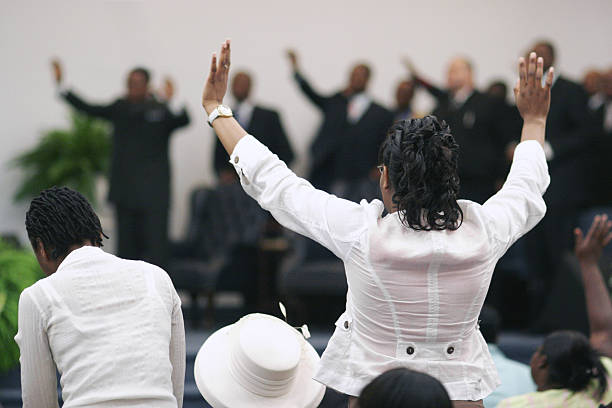
image 2025 08 29t130701.677

Faith and spirituality have been cornerstones of Black communities for centuries, shaping cultural identity, fostering resilience, and providing a source of strength in times of struggle. ✨ Historically, Black churches and faith-based organizations have not only served as places of worship but have also played an integral role in social, economic, and political movements. From leading the fight against slavery to driving the civil rights movement and continuing to advocate for justice today, these institutions have been central to the collective progress of African Americans. ✊???? Beyond religious doctrine, Black faith traditions have nurtured a strong sense of community, offering support networks, educational opportunities, and economic empowerment initiatives. ???????? Even today, as systemic inequities persist, Black churches remain committed to addressing pressing social issues such as racial injustice, economic disparities, healthcare accessibility, and mental health challenges. ???????? This article explores the historical and modern roles of faith-based institutions in Black communities, their impact on activism and social justice, and how they continue to shape the fight for a more equitable society. ⚖️The Historical Role of Black Churches in the Civil Rights MovementThe Black church has long been an institution of resistance and resilience. ???????? During slavery, faith provided enslaved Africans with hope and a vision of liberation, often drawing inspiration from biblical narratives such as the Exodus story. ???????????? Prayer meetings and spirituals became coded forms of resistance, instilling a belief in eventual freedom and justice. As African Americans gained more autonomy post-slavery, Black churches became powerful institutions that offered both spiritual guidance and material support. By the 1950s and 1960s, these churches had become central to the civil rights movement. ????️✊???? They served as organizing spaces where activists met, strategized, and planned demonstrations. Many of the movement’s most influential leaders, including Dr. Martin Luther King Jr., were also pastors who used their faith as a foundation for their activism. ????️ The Southern Christian Leadership Conference (SCLC), founded in 1957, was a prime example of faith-driven activism. Led by Dr. King and other clergy members, the organization coordinated peaceful protests, sit-ins, and voter registration drives. ????️ Similarly, the Student Nonviolent Coordinating Committee (SNCC) worked closely with faith leaders to empower Black communities through nonviolent resistance and grassroots mobilization. Beyond leadership and strategy, churches provided critical logistical support. ???? Congregations raised funds to pay bail for arrested activists, housed traveling demonstrators, and offered moral encouragement to those facing threats of violence. Sunday sermons reinforced messages of justice and perseverance, motivating communities to continue the struggle despite adversity. ???????? The Black Church as a Source of Community ResilienceThe legacy of the Black church as a hub of resilience extends beyond the civil rights era. Today, faith-based organizations continue to address systemic issues and provide vital resources to their communities. ???????? Health and Wellness InitiativesHealth disparities disproportionately impact Black communities, and faith-based institutions have responded by promoting wellness programs. Many Black churches host health fairs, offer free medical screenings, and provide mental health resources. ????????‍⚕️???? Given the historical stigma surrounding mental health in the Black community, faith leaders have become essential advocates for psychological well-being. Churches increasingly collaborate with medical professionals to educate congregants on conditions such as hypertension, diabetes, and depression. During the COVID-19 pandemic, Black churches played a crucial role in combating misinformation, encouraging vaccination, and ensuring access to healthcare services. ???????? Many congregations transformed their spaces into vaccination sites and partnered with healthcare providers to address vaccine hesitancy. ???? Economic Empowerment and Financial LiteracyEconomic disparities continue to affect Black communities, making financial literacy and empowerment critical components of church-led initiatives. ???? Many Black churches offer workshops on budgeting, credit management, homeownership, and entrepreneurship. Some have even established credit unions and business incubators to help congregants build wealth and achieve economic stability. ???????? Faith-based organizations also play a role in addressing food insecurity. ???? Many operate food pantries, community gardens, and meal programs to assist those in need. These initiatives not only provide immediate relief but also contribute to long-term economic empowerment by equipping individuals with the skills and resources needed for financial independence. ???? Youth Development and EducationBlack churches have historically been instrumental in education, often establishing schools and scholarship programs when mainstream institutions were inaccessible to African Americans. ???? Today, many churches continue this tradition by providing after-school tutoring, college preparation assistance, and mentorship programs for young people.Faith-based youth programs focus on leadership development, instilling values of perseverance, responsibility, and civic engagement. ✨ By nurturing young leaders, Black churches ensure the continuation of advocacy and community service for future generations.Faith, Activism, and Social Justice in the Modern EraFaith remains deeply connected to modern activism. Many of today’s social justice movements, including Black Lives Matter (BLM), have drawn inspiration from the strategies of past civil rights leaders who used faith as a guiding principle. ????????‍♂️???? While BLM is not explicitly religious, many of its leaders and participants embrace spirituality as a source of strength and resilience. Black churches continue to be vocal in addressing issues such as police brutality, mass incarceration, and voting rights suppression. ????️???? Clergy members frequently use their platforms to advocate for policy changes and encourage civic engagement. Churches organize voter registration drives, educate their congregants on political issues, and mobilize community members to participate in elections. The Role of Interfaith and Secular PartnershipsIn contemporary social movements, Black faith-based organizations increasingly collaborate with interfaith and secular groups to address broader societal issues. ???? These partnerships have been instrumental in advocating for immigration reform, LGBTQ+ rights, environmental justice, and economic policies that benefit marginalized communities. ???? By working with diverse organizations, Black churches extend their impact beyond their immediate congregations, contributing to a more inclusive and equitable society. Addressing the Intersection of Race, Faith, and LGBTQ+ RightsOne of the ongoing discussions within Black churches is the intersection of faith and LGBTQ+ rights. ???? While traditional religious beliefs have often clashed with LGBTQ+ advocacy, there is a growing movement within Black churches toward inclusivity. Some congregations have begun reinterpreting biblical texts, emphasizing love and justice over exclusion. ❤️