
Fair Housing Series PART 10: The Future of Fair Housing – Where Do We Go From Here?

image 2025 08 22t171718.714

???? Housing is more than shelter—it’s the foundation of opportunity, health, stability, and dignity. Where you live affects your access to education, employment, safety, and community resources. But in America today, far too many people are still denied these opportunities because of income, race, disability, or family status. ???? Fair housing, a principle enshrined in law since 1968, remains a work in progress. Discrimination persists—often in less visible, more systemic forms. At the same time, rising housing costs and displacement are making home security feel out of reach for millions. ???? So where do we go from here? As we conclude this series on fair housing, this final chapter offers a forward-looking perspective. We’ll examine current legislative efforts, discuss proposals like national rental registries and universal legal aid, and explore the importance of empowering future leaders. It’s not enough to know the problem—we must organize, legislate, and take action. ????️ Proposed Laws and Improvements Legislation is one of the most powerful tools we have to close the gaps in housing access and fairness. Over the past few years, a number of federal bills have emerged that aim to address the housing crisis through equity, supply expansion, and accountability. Here are a few major proposals and ideas gaining traction: ???? 1. American Housing and Economic Mobility Act Introduced by Senator Elizabeth Warren, this bill proposes to: Invest $445 billion in the Housing Trust Fund Incentivize cities to reform exclusionary zoning laws Build or rehab millions of affordable units across the country Expand protections for renters and prohibit source-of-income discrimination This legislation directly confronts both housing scarcity and structural discrimination, linking zoning reform with affordability solutions. ???? 2. Fair Housing Improvement Act This bipartisan bill would expand the Fair Housing Act to include: Source of income (such as housing vouchers) Military/veteran status As of now, landlords can legally refuse a tenant just for using a Section 8 voucher in many states. This law would close a major loophole in housing discrimination. ????️ 3. Housing Supply and Affordability Act This bill seeks to: Fund local zoning reforms Support housing production planning Encourage regional cooperation to ease housing burdens Local governments often lack technical expertise to modernize zoning or streamline permitting. This act provides grants to help cities take action. These and other bills represent foundational steps forward, but they require public support and civic pressure to pass. ????️ National Rental Registries and Anti-Discrimination Platforms One of the quiet ways housing discrimination continues is through a lack of transparency in rental markets. Many tenants don’t know who owns the building they live in, what their rights are, or how to report abuse. ????️‍♀️ A growing call for national or statewide rental registries aims to bring much-needed transparency and accountability to rental housing: ????️ Track ownership and condition of rental units to flag problem landlords and unsafe properties. ⚠️ Identify patterns of eviction or rent spikes that disproportionately impact protected classes. ????️ Monitor compliance with anti-discrimination laws, especially where local enforcement is underfunded. ???? Los Angeles, San Francisco, and Seattle have implemented local registries, helping tenants report violations and giving cities data to improve policy. Advocates are now pushing for a national database of rental units and landlord practices—an idea that could transform tenant protections at scale. Simultaneously, there’s momentum for building anti-discrimination platforms: mobile apps or online portals where tenants can: File fair housing complaints Get real-time legal help Access verified information on tenant rights Leave transparent reviews of landlords (similar to Yelp) Making discrimination easier to report, track, and respond to is essential for accountability in the digital age. ⚖️ Universal Legal Support for Housing Cases One of the biggest obstacles tenants face—especially those experiencing discrimination or eviction—is the lack of legal representation. ???? Nationwide, 90% of landlords are represented by an attorney, while only 10% of tenants have legal support in court. This imbalance has devastating consequences. ???? Example: New York City’s Right to Counsel In 2017, NYC became the first U.S. city to guarantee legal representation for low-income tenants facing eviction. In just two years: Evictions fell by 41% Tenant retention increased dramatically The city saved money in emergency shelter and social service costs Inspired by this success, cities like San Francisco, Philadelphia, and Cleveland have launched similar programs. There is now a national movement to make universal legal representation a standard housing right. ⚖️ A federally funded housing justice program could ensure that: Every low-income renter has access to an attorney Language and disability accommodations are provided Discrimination complaints are supported from intake to resolution No one should lose their home—or be forced to stay in substandard conditions—just because they can’t afford a lawyer. ???? Empowering the Next Generation of Advocates Fair housing won’t move forward without new energy, leadership, and ideas. That’s why investing in youth education, civic training, and movement-building is essential. ???? Organizations like the National Fair Housing Alliance (NFHA) and the Leadership Conference on Civil and Human Rights offer: Youth advocacy fellowships Policy and media training Internships in housing law and urban policy ???? Beyond formal programs, community schools, churches, and nonprofits can create local housing justice workshops that teach: How zoning works How to participate in city council and planning board meetings How to identify and report discrimination ????️ Young people are already making waves—protesting evictions, organizing tenants’ unions, and shaping local policy debates. The next step is to resource and recognize their leadership. ???? Looking Ahead: Policy + People = Progress The future of fair housing depends on a multi-pronged strategy: Legislation must close gaps in legal protections and ensure the housing system serves everyone—not just the wealthy or well-connected. Technology and transparency must be used to inform and protect, not isolate and discriminate. Legal empowerment must become a housing right, not a privilege. Community organizing must center new voices and distribute leadership. ???? Together, these strategies create a roadmap to a more just, inclusive housing system. Conclusion ???? Fair housing is not just about fighting discrimination—it’s about building communities where everyone has the opportunity to thrive. As we move into the future, we must commit to policies that reflect our shared values: equity, justice, and dignity for all. Whether you’re a policymaker, a parent, a student, or a renter—you have a role to play. Start a conversation. Speak at a town hall. Volunteer with a housing nonprofit. Educate a neighbor. The path forward starts

Homeownership Series PART 9: Technology and Fair Housing

image 2025 08 22t172137.713

Algorithms, Platforms, and Privacy Risks ???? In today’s fast-moving digital world, nearly every aspect of finding a home—renting, buying, applying for a mortgage—happens online. While this shift brings convenience, it also introduces a new set of risks, especially for communities historically excluded from housing opportunities. Artificial intelligence, automation, and big data are reshaping the housing landscape—but not always for the better. ???? Algorithms used in housing-related decisions may unintentionally reinforce racial and economic disparities. From how ads are targeted on social media to how tenant applications are scored, the tech that promises neutrality can sometimes magnify bias. The digital tools we use daily can sort, exclude, and prioritize people in ways that feel invisible—and unfair. In this article, we’ll explore how technology intersects with fair housing. We’ll examine AI in tenant screening ????, discriminatory ad targeting on platforms like Facebook ????, the challenges of mortgage tech ????, and the broader risks and opportunities that come with digital housing tools ????. Understanding these dynamics is essential for protecting civil rights in the age of algorithms.   ???? Tenant Screening and AI Bias Many landlords now use third-party services that automate tenant screening, relying on machine learning models to assess applicant “risk.” These systems crunch data on credit, rental history, evictions, and even employment, spitting out scores that determine who gets in—or doesn’t. ???? But what happens when the data used to train these systems is already biased?  Take, for example, Black and Hispanic households, which are disproportionately impacted by lower credit scores due to historical economic exclusion. When an AI system places heavy weight on credit, it can perpetuate that disparity—even if there’s no explicit intent to discriminate.  ???? In 2023, the Federal Trade Commission (FTC) issued warnings to landlords and screening companies that the use of AI must still comply with the Fair Credit Reporting Act (FCRA). This includes ensuring accuracy, transparency, and giving tenants the right to dispute inaccuracies.  A major concern is the lack of visibility—tenants often don’t know what factors were used against them, nor how to correct potential errors. The screening system becomes a “black box” that silently closes doors. ???? Reform advocates suggest requiring companies to provide clearer disclosures, third-party audits of algorithmic tools, and human review of automated denials. Because when automation lacks accountability, it threatens access to housing for the very people fair housing laws were designed to protect.   ???? Facebook’s Ad-Targeting Lawsuit Settlement  ???? Social media platforms play a powerful role in how people see housing listings. But in 2019, it was revealed that Facebook’s ad tools allowed real estate companies and landlords to exclude viewers based on race, gender, religion, and other protected characteristics. HUD sued Facebook, calling the practice digital redlining. While traditional redlining involved physical maps and banks, today’s redlining can occur with a few clicks in an ad-targeting dashboard.  ???? Facebook eventually settled the lawsuit and agreed to overhaul how housing ads are displayed. The platform created a new system—called the Special Ad Category—that restricts targeting for housing, credit, and job ads to prevent discrimination. ???? This case was a turning point. It exposed how seemingly neutral digital tools can be weaponized to maintain segregation. And it showed that civil rights enforcement must evolve to meet the realities of the digital age.  But many believe more is needed. Platforms like Google and Instagram must also be scrutinized, and federal regulators should proactively monitor how ads are delivered—not just how they’re set up.   ???? Mortgage Tech and Fair Lending Audits Digital underwriting is rapidly transforming the mortgage industry. Today, lenders use AI models to assess borrower risk and streamline approvals. But just like tenant screening tools, mortgage tech can bake in bias if it relies on flawed assumptions or skewed data.  ???? Algorithms might overvalue factors correlated with wealth—like large savings accounts or long credit histories—while undervaluing rental payment history or gig economy income, which are more common among younger, minority, or lower-income applicants. In 2021, the Consumer Financial Protection Bureau (CFPB) raised concerns about algorithmic discrimination in lending, noting that the lack of transparency in automated systems makes it harder to detect if fair lending laws are being violated.  ???? This is where fair lending audits come in. Lenders must test whether their models produce disparate impacts across protected classes, and must correct them if they do. However, many fintech companies are not fully transparent, citing proprietary models.  The push for “explainable AI” is gaining traction—meaning companies must be able to explain how their decisions are made. Because if you’re denied a mortgage, you should know why.  ???? Risks and Opportunities in Digital Housing Tools  Technology can be a double-edged sword—especially in housing. Here are some of the biggest risks and opportunities:  ???? Risks  Privacy Invasion: Renters may be evaluated based on data they didn’t even know was being used, such as online behavior or geolocation data. ????????️‍♂️ Algorithmic Opacity: Companies often guard their algorithms as trade secrets, making it difficult to challenge decisions. ???? Unequal Access: Not everyone has reliable internet or digital literacy, especially older adults or low-income families. ???????? ???? Opportunities Faster Access: Online applications and digital documents reduce paperwork and speed up approvals. ???? Wider Reach: Listings on Zillow, Apartments.com, and others increase visibility and choice. ???? Proactive Monitoring: AI can also detect discriminatory patterns if designed to do so—turning tech into a watchdog, not just a gatekeeper. ???????? To maximize the benefits and reduce the harm, tech companies must partner with civil rights organizations, regulators, and consumers. Transparency and accountability are the cornerstones of fairness in the digital age. Conclusion ⚖️ Technology holds great promise for streamlining and expanding access to housing—but only if it’s designed and monitored with fairness in mind. From biased algorithms to opaque advertising systems, we’ve seen that digital tools can reproduce the very inequalities we’ve fought to dismantle. ???? We must recognize that discrimination today doesn’t always look like a slammed door or a “No Vacancy” sign. Sometimes, it looks like a missing ad, a hidden score, or a rejected application with no explanation. ???? As consumers, advocates, and professionals, it’s our responsibility to question how these tools are used—and

Fair Housing Series PART 8: Segregation by Design – Zoning, NIMBYism, and Local Barriers
aerial photography of town during daytime

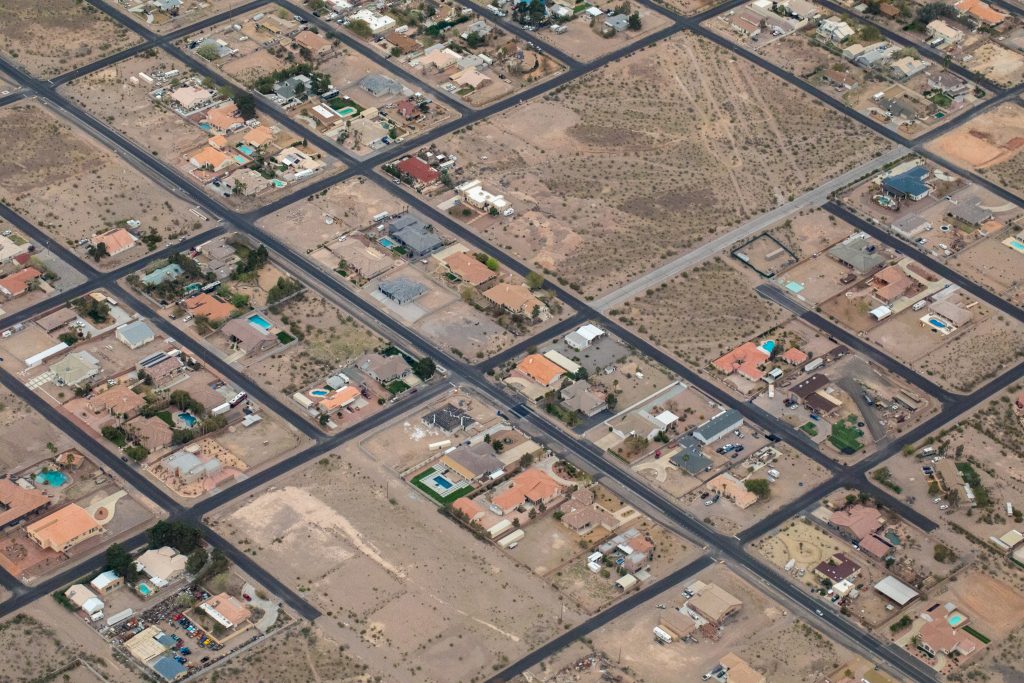
How Cities Still ExcludeIntroduction???? When we think of segregation, we often think of outdated laws and overt discrimination. But in modern America, segregation hasn’t disappeared—it’s just been redesigned. ???? From local zoning codes to neighborhood opposition, cities have quietly preserved inequality through policies that appear neutral on paper but are deeply exclusionary in practice. The biggest culprit? Zoning. Single-family zoning, minimum lot requirements, and bans on multi-family housing have created cities where access to opportunity is increasingly limited by wealth—and where that wealth is often closely tied to race. ????️ While many communities claim to value diversity, their policies often ensure the opposite. In this article, we’ll explore the structural forces still at play today: how zoning laws shape who gets to live where, how NIMBYism continues to block progress, and why even high-opportunity suburbs resist change. The barriers may look different than they did 50 years ago—but they’re still doing the same job. ???? Single-Family Zoning and Its Impact on AffordabilitySingle-family zoning is the most widespread form of land use regulation in America. ???? It dictates that only detached homes can be built on certain parcels of land, effectively banning apartments, duplexes, and other multi-family housing types in vast areas of many cities. While often framed as a tool to preserve “neighborhood character,” this zoning practice has serious implications for affordability. ???? It reduces housing supply, limits density, and inflates home prices—pricing out working-class families and younger buyers. In cities like San Francisco, Los Angeles, and Minneapolis, over 70% of residential land is zoned exclusively for single-family homes. That leaves very little room for affordable, diverse housing options. ???? More units on the same land could lower costs—but when zoning laws prevent it, the result is exclusion by design.Moreover, these policies originated during a time of explicit racial discrimination. After the Supreme Court struck down racial zoning in 1917, cities found a workaround—use land use rules to keep Black families and immigrants out of wealthier, white areas. ????????‍????‍???????? Today, the legacy lives on, even if the language has changed. ???? Exclusionary Zoning PracticesBeyond single-family restrictions, cities employ other forms of exclusionary zoning that maintain social and economic divides: Minimum lot sizes: Requiring homes to sit on large plots makes them more expensive and limits how many can be built. ???? Parking minimums: Demanding a certain number of parking spaces per unit increases development costs, even where public transit is available. ???? Bans on manufactured or modular homes: These lower-cost options are often prohibited in wealthier areas despite meeting all building codes. ???????? Together, these regulations restrict housing supply and prevent low- to moderate-income families from moving into areas with better schools, safer streets, and more job opportunities. ???????? It’s not just an affordability issue—it’s a civil rights issue. When policies are designed to protect property values at the expense of people’s access to housing, it becomes a question of justice. ????️????‍♂️ The Myth of NIMBY vs. The Reality of Local ObstructionThe term NIMBY—short for “Not In My Backyard”—describes local opposition to development, particularly affordable or multi-family housing. ???? While many claim to support more housing in theory, they oppose it in their own neighborhoods. What drives NIMBYism? Often, it’s fear: of declining property values, increased traffic, or changing demographics. But these concerns are often exaggerated—or just a cover for preserving racial and economic homogeneity. ????Public hearings and zoning board meetings can become battlegrounds, where a small but vocal group delays or kills projects that would benefit the broader community. ????️???? This means that housing decisions are too often made by those who already have housing—at the expense of those who don’t. Some cities have tried to counter NIMBYism with new rules limiting local veto power or mandating housing production targets. ???? But cultural change is needed too. Communities must recognize that inclusive growth is essential to a thriving city—and that every neighborhood has a role to play. ???? Fair Housing in Suburbs and High-Opportunity NeighborhoodsAffluent suburbs and high-opportunity neighborhoods—those with top-tier schools, low crime, and access to good jobs—are often the most resistant to new housing. ????????️ Their restrictive zoning and strong homeowner associations make them hard to penetrate for families without significant wealth. The result? A preservation of privilege. These neighborhoods remain enclaves of advantage, while lower-income families are pushed to the margins. ????‍♀️????????‍♂️ Over time, this fuels wider disparities in education, health, and economic mobility. One example is Westchester County, New York, which spent years fighting a federal consent decree requiring it to build affordable housing in predominantly white areas. ????️ The backlash was intense—even though the goal was simply to give more families access to better neighborhoods. Fair housing law prohibits discrimination—but doesn’t require inclusion. That’s the loophole. Without proactive policies to encourage affordable housing in wealthy areas, segregation remains the status quo. Some cities are beginning to act. Minneapolis eliminated single-family zoning citywide in 2019. Oregon passed a statewide law allowing duplexes and triplexes in most cities. These changes are promising—but they’re still the exception, not the rule. ????️ ????️ What Can Be Done?Fixing exclusionary zoning requires action at every level of government: ????️ Local: Attend city council meetings. Support upzoning proposals. Oppose housing caps and bans. ???? State: Push for state-level overrides of exclusionary local laws. Tie transportation or education funding to inclusive zoning compliance. Federal: Reinforce AFFH (Affirmatively Furthering Fair Housing) requirements and increase funding for affordable housing development. It also requires public education. We need to reframe the conversation around housing—not as a threat to neighborhoods, but as a path to stronger, more equitable communities. ???????? Conclusion???? Exclusion in housing today may not be enforced by signs or laws that say “Whites Only,” but it’s still happening—through zoning codes, permit delays, and neighborhood pushback. And unless we act, cities will continue to become less affordable, less diverse, and less fair. Zoning laws shape the landscape of opportunity. They decide who gets access to the building blocks of a better life—schools, safety, stability. Changing these laws means changing lives. ????‍????‍????????️ It’s time to stand up and speak out. ????️ The

Fair Housing Series PART 7: The Political Rollercoaster – Policy Rollbacks and Reinstatements
president obama speaking front flag with flag him (3)

How Administrations Have Reshaped Fair Housing  Housing is more than just a roof over one’s head—it’s a cornerstone of opportunity, stability, and dignity. Yet, in the United States, access to fair housing has been a battleground of shifting policies, political ideologies, and social justice efforts. Over the past decade, the federal government’s approach to fair housing has undergone significant transformations, reflecting the priorities of successive administrations. From the Obama administration’s proactive measures to combat housing discrimination, to the Trump administration’s rollbacks, and the Biden administration’s attempts at restoration, the landscape of fair housing policy has been anything but static. As we look ahead to 2025, new challenges and debates emerge, particularly concerning the Community Reinvestment Act (CRA) and its role in promoting equitable lending practices. This article explores the political shifts that have reshaped fair housing in America, examining the motivations behind policy changes and their real-world implications. Understanding this history is crucial for advocates, policymakers, and citizens committed to ensuring that fair housing remains a fundamental right for all. Obama-Era: Strengthening Fair Housing with the AFFH Rule (2015)In 2015, the Obama administration introduced the Affirmatively Furthering Fair Housing (AFFH) rule, a significant step toward addressing systemic housing discrimination. This rule required local governments receiving federal housing funds to analyze patterns of segregation and develop actionable plans to promote inclusive communities. The AFFH rule aimed to enforce the Fair Housing Act’s mandate by holding jurisdictions accountable for discriminatory practices and encouraging proactive measures to dismantle barriers to fair housing. By providing data and guidance, the Department of Housing and Urban Development (HUD) empowered communities to identify disparities and work toward equitable solutions. Supporters praised the rule for its emphasis on transparency and accountability, viewing it as a necessary tool to combat entrenched segregation and promote equal opportunity. However, critics argued that it imposed undue burdens on local governments and constituted federal overreach into local zoning decisions. Trump-Era: Rescinding AFFH and Reducing Enforcement (2017–2021) The Trump administration took a markedly different approach to fair housing. In 2020, HUD, under Secretary Ben Carson, rescinded the AFFH rule, replacing it with the “Preserving Community and Neighborhood Choice” rule. This new rule significantly reduced federal oversight, allowing localities to self-certify compliance without detailed analysis or reporting. The administration justified this change by labeling the original AFFH rule as “complicated, costly, and ineffective.” They argued that the new rule respected local autonomy and reduced bureaucratic red tape. However, housing advocates contended that this rollback undermined efforts to address systemic discrimination and perpetuated segregation. Additionally, the Trump administration reduced funding for fair housing enforcement, terminating grants to organizations that investigated and litigated housing discrimination cases. This move raised concerns about the federal government’s commitment to upholding civil rights in housing. Biden-Era: Reinstating AFFH and Expanding Protections (2021–2024 Upon taking office, President Biden prioritized restoring and strengthening fair housing policies. In early 2021, HUD announced plans to reinstate the AFFH rule, emphasizing the need to address historical patterns of segregation and discrimination. The administration aimed to enhance the rule by increasing transparency, community engagement, and accountability. A significant development during this period was the extension of fair housing protections to LGBTQ+ individuals. In February 2021, HUD declared that discrimination based on sexual orientation and gender identity would be treated as violations of the Fair Housing Act. This policy shift aligned with the Supreme Court’s decision in Bostock v. Clayton County and marked a substantial step toward inclusivity in housing. Despite these advancements, the Biden administration faced challenges in fully implementing the updated AFFH rule. Delays in finalizing the rule left it vulnerable to potential reversals by future administrations, highlighting the ongoing struggle to solidify fair housing protections. 2025 Outlook: CRA Rules and Renewed Challenges As we enter 2025, fair housing policies confront new uncertainties. Recent actions by Congress under the Congressional Review Act (CRA) have targeted regulations established during the Biden administration. Notably, resolutions have been passed to roll back rules related to overdraft fees and digital payment systems, reflecting a broader trend of deregulation. These developments raise concerns about the future of fair housing enforcement and the potential weakening of protections designed to ensure equitable access to housing and financial services. Advocates worry that such rollbacks could disproportionately affect marginalized communities, exacerbating existing disparities. The political landscape suggests that fair housing policies will continue to be a contentious issue, subject to the priorities of prevailing administrations. This underscores the importance of sustained advocacy and vigilance to preserve and advance housing equity.   Conclusion The last decade of fair housing policy has been anything but stable—marked by advancements, setbacks, and renewed hope. Each administration has left its imprint on how fair housing is defined, enforced, and protected. Under President Obama, the AFFH rule brought clarity and accountability to the fight against segregation. The Trump administration unraveled many of those efforts, prioritizing deregulation and local control. The Biden administration has worked to restore protections and expand them—particularly for LGBTQ+ Americans—but that progress remains vulnerable. Looking ahead to 2025, the political tide once again seems poised to shift. With talks of further rollbacks, particularly around the Community Reinvestment Act, we face another critical juncture in housing justice. If there’s one constant in this political rollercoaster, it’s this: without sustained public pressure and advocacy, progress can quickly disappear. Housing justice is not a partisan issue—it’s a human one. Ensuring that every American has fair and equal access to a home is foundational to our values. And it’s up to each of us to ensure that foundation holds.  Stay Connected & Take Action: Subscribe to this newsletter on LinkedIn, or follow the blog at www.ericfrazier.com or www.thepowerisnow.com Watch our interviews and updates on YouTube: youtube.com/thepowerisnow Need personalized advice or consultation? Whether you’re buying, selling, or building your business, I’m here to help.  Schedule your free discovery call today: https://calendly.com/ericfrazier/real-estate-mortgage-consultation-clients Your trusted advisor in business and wealth.— Eric Lawrence Frazier, MBA

Fair Housing Series PART 6: Recent Legal Battles and Settlements (2020–2025): Redlining, Harassment, and Algorithmic Discrimination ????⚖️

pexels dpsinghbhullar 30483129 (3)

In the past few years, the U.S. housing market has seen a surge in legal actions targeting discriminatory practices in lending and housing. From redlining and harassment to the dangers of algorithmic bias, these issues have raised significant concerns about fairness and equality in housing. Federal agencies, advocacy groups, and impacted communities have been working tirelessly to address these inequities, resulting in major legal battles and settlements from 2020 to 2025. This article will explore the key cases and trends that have defined this period, focusing on efforts to enforce fair housing principles in the face of systemic challenges. ???????? Major DOJ and CFPB Settlements (2023–2025) ⚖️Between 2023 and 2025, both the Department of Justice (DOJ) and the Consumer Financial Protection Bureau (CFPB) have been at the forefront of addressing discriminatory practices in housing and lending. These efforts have resulted in significant settlements, which aim to not only provide compensation for those harmed but also prevent future discrimination. ????‍⚖️???? City National Bank ????: In a landmark case, City National Bank was forced to pay over $31 million to resolve accusations of redlining — a discriminatory practice of denying services to residents in certain neighborhoods based on race. This settlement is the largest redlining resolution in DOJ history and highlights the commitment to tackling historical racial discrimination in housing markets. ????️ Fairway Independent Mortgage Corporation ????: Fairway was accused of redlining Black neighborhoods in Birmingham, Alabama. The company settled for more than $8 million, which includes a $1.9 million civil penalty. Fairway also committed to providing $7 million in loan subsidies and investing $1 million in community outreach programs, aiming to increase homeownership opportunities for marginalized communities. ???? Ameris Bank ????: Ameris Bank, which was found to have discriminated against Black and Hispanic borrowers in Jacksonville, Florida, reached a $9 million settlement with the DOJ. In addition to compensatory measures, the bank is required to open new branches in the affected areas, invest in community outreach, and provide loan subsidies to minority borrowers. ???? First National Bank of Pennsylvania (FNB) ????️: FNB agreed to a $13.5 million settlement after allegations that it was engaged in discriminatory lending practices. The settlement includes loan subsidies for Black and Latino borrowers and funding for community outreach programs. ????️ Trident Mortgage ????: Trident Mortgage was involved in a case where it was accused of discriminatory lending practices in Philadelphia. The company agreed to a $24 million settlement that included $18.4 million to increase credit access for communities of color and a $4 million civil penalty. They also committed to opening offices in these underrepresented neighborhoods. ???? These settlements represent a significant step in addressing decades of discriminatory lending and redlining practices, showing that the federal government is actively working to make housing and lending more equitable. ???? Algorithmic Bias in Tenant Screening and Mortgage Approval ????As technology becomes more embedded in the housing market, there is growing concern about algorithmic bias in decision-making processes like tenant screening and mortgage approvals. ????????   1. The Case of SafeRent ????One of the most well-known cases of algorithmic bias in tenant screening occurred when Mary Louis, a Massachusetts security guard, was denied an apartment despite a solid rental history and eligibility for a low-income housing voucher. The rejection was based on an AI-driven tenant screening tool, SafeRent, which used a scoring system that disproportionately flagged Black and Hispanic applicants. ???????? Louis, along with 400 other Black and Hispanic applicants, sued SafeRent under the Fair Housing Act. The case settled for $2.3 million, and the company agreed to cease using the algorithm for five years. ???? This case is a powerful reminder of the potential for AI systems to perpetuate discrimination, and it underscores the need for greater transparency and fairness in these automated processes. ????‍⚖️   2. Mortgage Approval and Discrimination ????Lenders have long been accused of discriminating against people of color when approving mortgage loans. Investigations have revealed that Black applicants are 80% more likely to be denied a mortgage than white applicants, even when factors such as income, credit score, and debt-to-income ratios are comparable. These systemic disparities persist despite recent efforts to promote fair lending practices. ???? Furthermore, many of the algorithms used in mortgage underwriting are not transparent. This lack of clarity makes it difficult for applicants to understand the reasons behind denials and, in turn, to challenge unfair decisions. As the reliance on AI in lending increases, advocacy groups have called for stronger regulations to ensure these algorithms do not reinforce historical biases. ⚖️Deutsche Bank/Altisource Trial ????️In 2025, a significant case reached the courts involving Deutsche Bank, Ocwen, and Altisource. The National Fair Housing Alliance (NFHA) and 19 other fair housing organizations accused these entities of neglecting the maintenance of foreclosed properties in predominantly Black and Latino neighborhoods, leading to blight and the devaluation of properties. ???? The court allowed the case to proceed, marking a critical moment in holding financial institutions accountable for their role in housing discrimination. According to the NFHA’s investigation, properties in communities of color were more likely to have issues such as broken windows, overgrown lawns, and graffiti compared to properties in wealthier, predominantly white neighborhoods. ????️ These neglected properties contribute to the deterioration of neighborhoods, affecting local economies and the well-being of residents. ???? The ongoing trial represents a critical opportunity to address the systemic inequalities that perpetuate housing discrimination and to establish clearer standards for how banks and loan servicers should maintain foreclosed properties in all neighborhoods. ????⚖️ Harassment and Source of Income Complaints Rising ????In recent years, there has been a rise in harassment complaints and discrimination against individuals based on their source of income, particularly in the rental housing market. ???? These issues are often faced by renters who rely on government assistance or housing vouchers to pay for housing. ???? Rising Complaints of Harassment ????Harassment complaints, especially against tenants in low-income or minority communities, have surged. Many renters report being unfairly treated, subjected to retaliatory actions by landlords, or subjected to inappropriate inquiries about their personal lives. These types

Fair Housing Series PART 5: Who’s Enforcing Fair Housing in 2025?
image 2025 08 22t175115.002

Housing is more than just a basic necessity — it’s a fundamental human right. In the United States, fair housing laws were designed to protect people from discrimination and provide equal access to housing opportunities regardless of race, color, national origin, religion, sex, familial status, or disability. But in 2025, despite more than five decades since the passing of the Fair Housing Act, violations are still far too common.???? So, who’s making sure these laws are enforced today? The responsibility lies with a network of federal agencies, state bodies, nonprofits, and legal advocates, all working tirelessly — and often with limited resources — to hold bad actors accountable and ensure justice for renters and buyers alike. In this article, we’ll break down the key players involved in fair housing enforcement in 2025, how they operate, the obstacles they face, and how you can support their efforts. ???? ????️ HUD’s Office of Fair Housing and Equal Opportunity (FHEO)The U.S. Department of Housing and Urban Development (HUD) is the primary federal agency responsible for enforcing fair housing laws. Within HUD, the Office of Fair Housing and Equal Opportunity (FHEO) takes the lead. Established under the Civil Rights Act of 1968, the FHEO is tasked with investigating discrimination complaints, enforcing compliance among housing providers, and administering education and outreach programs.In 2025, the FHEO continues to oversee over 8,000 housing discrimination complaints per year, ranging from refusal to rent to mortgage lending discrimination and inaccessible housing design. ???? The agency works through: Investigations of filed complaints. Compliance reviews of housing providers and federal grant recipients. Enforcement actions, including conciliation agreements and legal referrals. ???? However, the FHEO has faced serious staffing shortages and outdated systems. Many cases experience delays of six months or more, often leaving victims waiting too long for justice. Advocacy groups have repeatedly called for modernization and increased investment to improve the agency’s responsiveness. ⚖️ DOJ’s Civil Rights Division and Housing SectionWhen housing discrimination involves patterns or practices, the Department of Justice (DOJ) steps in. Its Housing and Civil Enforcement Section, under the Civil Rights Division, can bring lawsuits against landlords, lenders, and municipalities when civil rights violations are systemic or widespread.Some of the DOJ’s actions include: Prosecuting banks that deny loans in minority communities (redlining). Challenging zoning ordinances that restrict multi-family housing in wealthy areas. Enforcing accessibility standards for persons with disabilities. ????️ For example, in late 2024, the DOJ settled a major case against a developer who built dozens of apartment complexes without wheelchair-accessible entrances. The outcome? Over $2 million in retrofits and damages for affected tenants. Despite this, recent internal memos revealed that certain political leaders have attempted to redirect focus away from civil rights enforcement — drawing concern from fair housing advocates. ???? Transparency and public pressure continue to play a role in ensuring the DOJ keeps fair housing enforcement as a core priority.???? Fair Housing Initiatives Program (FHIP) and FHAPTo extend HUD’s reach beyond Washington, two grant programs provide funding for local and state fair housing enforcement:???? FHIP – Fair Housing Initiatives ProgramFHIP supports nonprofit fair housing organizations with grants to investigate housing discrimination, test housing providers, and educate the public about their rights. These groups conduct the undercover “testing” that reveals whether landlords are treating people differently based on race, disability, or other protected traits.????️ FHAP – Fair Housing Assistance ProgramFHAP funds state and local government agencies that administer fair housing laws similar to the federal Fair Housing Act. These agencies investigate complaints and issue findings that are legally binding within their jurisdictions.???? In 2025, both FHIP and FHAP face critical funding challenges. HUD’s proposed budget sought $6 million less in FHIP grants compared to 2023. That may not sound like much — but it could mean dozens of organizations laying off staff or closing testing programs altogether. ???? State Agencies and Nonprofit AdvocacyWhile federal agencies create the foundation, it’s often nonprofits and state-level agencies doing the heaviest lifting in day-to-day enforcement and community education.???? Example: National Fair Housing Alliance (NFHA)The NFHA is one of the country’s leading fair housing organizations. They: Conduct testing and investigations across the U.S. Offer legal advocacy in high-impact discrimination cases. Develop policy recommendations at the federal level. Provide training to housing providers and real estate professionals. ????????‍⚖️ Other groups like Legal Aid Societies, local Human Rights Commissions, and regional fair housing centers take on direct services for clients — helping tenants who are illegally evicted or denied housing due to discriminatory reasons.???? Many of these groups also run school programs, webinars, and social media campaigns to educate the public, especially younger renters, about their housing rights. ???? Budget and Staffing Challenges in Recent YearsA persistent theme across all enforcement agencies is the strain caused by underfunding. Since 2020, budget increases have failed to match the rise in housing complaints, cost of living, or legal complexities involved in investigations.???? In many cases: Agencies lack enough investigators to address cases in a timely manner. Nonprofits depend on unstable grant cycles, which jeopardize long-term projects. Staff burnout is high due to large caseloads and limited resources. The NFHA’s 2023 Fair Housing Trends Report noted that while housing complaints reached record highs, nearly 75% of nonprofit testing organizations reported delays due to staff shortages or lack of funding. If the nation is serious about fair housing, more consistent and expanded funding is essential. ???? ConclusionEnsuring fair housing in 2025 is a collective effort. From the HUD and DOJ to nonprofit watchdogs and state-level enforcement agencies, each entity plays a vital role in ensuring every person has an equal opportunity to live where they choose, free from bias or discrimination. ????️ Yet, the system remains under pressure. Staffing gaps, budget reductions, political interference, and growing demand for services threaten the promise of the Fair Housing Act. But hope is not lost — with sustained support and engagement from the public, the fight for housing equity can continue. ???? Support organizations doing the work. Volunteer. Donate. Share their resources. Together, we can close the gap between the law and lived experience. ???? Stay Connected & Take Action:???? Subscribe to this newsletter on LinkedIn, or follow the blog at➡️ www.ericfrazier.com or www.thepowerisnow.com???? Watch our interviews and updates on YouTube: ➡️ youtube.com/thepowerisnow???? Need personalized advice or consultation? Whether you’re

Fair Housing Series PART 4: Redlining, Reverse Redlining, and Lending Discrimination

image 2025 08 22t175348.779

How Access to Credit Remains UnequalImagine walking into a bank, confident in your financial standing, only to be denied a loan simply because of where you live or the color of your skin. This isn’t a scene from a bygone era; it’s a reality that many Black and Latino Americans have faced—and continue to face—in the United States. ????????Access to credit is the gateway to economic opportunity. It enables families to purchase homes, fund businesses, and invest in their futures. Yet, for decades, discriminatory practices like redlining have systematically denied communities of color these essential opportunities, leading to long-term wealth disparities. ????????This article uncovers how access to credit still remains unequal in America today. From the historical redlining maps of the 1930s to reverse redlining and modern-day lending lawsuits, we explore the many forms discrimination has taken—and continues to take—in the mortgage and financial industry. ???????? We’ll also look at recent legal settlements, appraisal disparities, and flawed credit scoring systems that continue to marginalize underserved communities. Historical Redlining Maps (HOLC) ????️In the 1930s, the Home Owners’ Loan Corporation (HOLC) created residential security maps to guide banks on which neighborhoods were “safe” investments. These maps color-coded areas: ???? “Best” ???? “Still Desirable” ???? “Definitely Declining” ???? “Hazardous” If a neighborhood had a significant Black, Latino, Jewish, or immigrant population, it was almost always marked red. The redlined areas were essentially cut off from access to fair lending, not due to actual credit risk, but because of racial and ethnic composition. This led to widespread denial of mortgage loans in those communities—even for qualified applicants. ???????? The long-term impacts of these discriminatory practices are still visible today: lower property values, underfunded schools, crumbling infrastructure, and a massive racial wealth gap. For many Black families, redlining stripped away the possibility of homeownership—the cornerstone of generational wealth in America. ????????️ Modern Redlining Lawsuits (2010–2025) ⚖️Despite redlining being outlawed by the Fair Housing Act of 1968, modern redlining persists in less overt but equally damaging ways. Investigations and lawsuits over the last 15 years reveal that some financial institutions still avoid lending in Black and Latino neighborhoods or impose stricter lending criteria. ????️‍♂️????️ In 2023, City National Bank made headlines by agreeing to a $31 million settlement after the Department of Justice (DOJ) found the bank failed to provide mortgage services to majority-Black and Latino neighborhoods in Los Angeles. According to the DOJ, the bank had only opened branches in majority-white areas despite a sizable Black and Latino population in the region. ???????? In 2024, First National Bank of Pennsylvania settled for $13.5 million for similar redlining allegations in North Carolina. The bank allegedly closed branches in diverse neighborhoods and failed to market or provide lending services there. ???????? These cases show that discrimination in lending is not a thing of the past—it’s a present and persistent issue. ???? Reverse Redlining and Predatory Loans in Black and Latino Communities ????????While traditional redlining denies credit access, reverse redlining targets communities of color with predatory lending products. These are high-cost, high-risk loans offered disproportionately to borrowers in Black and Latino neighborhoods—often regardless of their credit scores or ability to qualify for better terms. During the early 2000s housing boom, Black and Latino homeowners were twice as likely to be offered subprime loans compared to white borrowers—even when they had similar financial profiles. These loans came with balloon payments, high interest rates, and little consumer protection, leading many families into foreclosure during the 2008 housing crisis. ????️???? Sadly, traces of reverse redlining still exist. Payday loans, rent-to-own financing, and subprime auto loans continue to cluster in low-income communities of color. Financial literacy is not the problem—lack of access to trustworthy financial institutions is. ????❌ Disparities in Appraisals, Credit Scoring, and Lending Standards ????????Inequality in the credit system also shows up in the mechanics of the mortgage process itself—from appraisals to credit scores and lending standards. ???? Biased Home Appraisals: Studies have shown that homes in Black-majority neighborhoods are appraised significantly lower than similar homes in white neighborhoods. In some cases, homeowners have had to “whitewash” their homes—removing Black family photos and having a white friend stand in for them—to get a fair valuation. ???????? ???? Credit Scoring Inequities: Traditional credit scoring systems rely heavily on credit card usage and mortgage history. But many Black and Latino Americans are underbanked or unbanked, relying more on cash and alternative financial systems. As a result, these borrowers are penalized with lower scores—even if they’re financially responsible. ???? Unfair Lending Standards: Numerous studies have found that even when income and credit scores are held constant, Black and Latino borrowers are more likely to be denied loans or offered less favorable terms. Implicit bias, algorithmic discrimination, and outdated underwriting guidelines all play a role. All of these factors—bias in appraisals, skewed credit scoring, and inconsistent lending practices—contribute to a cycle of exclusion for communities of color. ???????? Recent Settlements and What They Mean ????????Legal action has become a key tool in fighting discriminatory lending. The DOJ’s redlining settlements are not just about compensation; they’re also about systemic change. City National Bank – $31 Million Settlement (2023) City National Bank agreed to a $31 million settlement after allegations of redlining in Los Angeles County. The bank reportedly avoided providing mortgage services in majority-Black and Hispanic neighborhoods. The settlement includes investments in loan subsidies, community outreach, and the establishment of new branches in underserved areas.  First National Bank of Pennsylvania – $13.5 Million Settlement (2024) The bank faced allegations of discriminating against Black and Latino borrowers in North Carolina. The settlement mandates investments in loan subsidies and community development initiatives.  Ameris Bank – $9 Million Settlement (2023) Ameris Bank settled allegations of redlining in Jacksonville, Florida, by agreeing to invest in loan subsidies, community outreach, and opening new branches in minority neighborhoods.  Fairway Independent Mortgage Corporation – $8 Million Settlement (2024) Fairway faced allegations of redlining in Birmingham, Alabama. The settlement includes loan subsidies, community investments, and a civil penalty.  OceanFirst Bank – $15.1 Million Settlement (2024) OceanFirst Bank settled allegations of redlining in New Jersey, agreeing to invest in

Fair Housing Series PART 3: The Expansion and Enforcement of Fair Housing
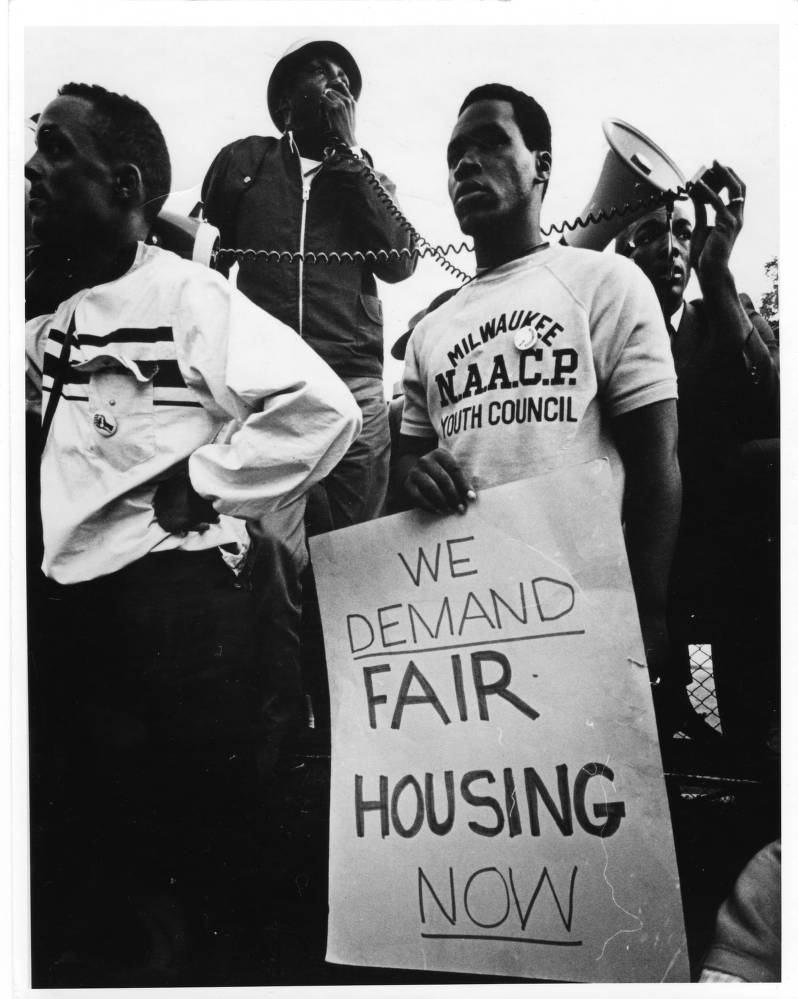
image 2025 08 22t175942.248

Civil Rights Movement to 1968???? Introduction: Why Housing History MattersHousing is more than four walls and a roof—it’s where opportunity begins. ???????? Whether it’s access to quality schools, jobs, or safe neighborhoods, housing shapes lives and futures. Yet for much of America’s history, fair access to housing was intentionally denied to millions based on race. The consequences still echo today in wealth gaps, neighborhood demographics, and opportunities. ????????????‍????‍???????? The Fair Housing Act of 1968 was a historic attempt to correct these wrongs. Passed during a volatile time in American history, the law wasn’t born out of a peaceful policy debate—it was the result of persistent activism, government resistance, and national tragedy. In this article, we’ll walk through the roots of the Fair Housing Act—from post-WWII housing segregation ???? to redlining ????️, the Civil Rights Act of 1964 ????, the assassination of Dr. Martin Luther King Jr. ????️, and what the 1968 law ultimately achieved.????️ Post-WWII Housing SegregationFollowing WWII, America entered a housing boom—but it wasn’t a boom for everyone. ???????????? The GI Bill helped returning veterans buy homes, attend college, and build wealth. But Black veterans were routinely denied these benefits through discriminatory lending practices and segregationist housing policies. ????????‍✈️❌???? Developers like those behind Levittown (one of the first large suburban housing projects) outright refused to sell homes to Black families. Real estate agents followed suit, often turning away qualified buyers due to “racial covenants” in property deeds. ✍️???? Even public housing programs reinforced segregation. Local authorities often placed white families in one complex and Black families in another—preserving and deepening racial divides. ????️???? ????️ Redlining and the Role of the Federal GovernmentRedlining—yes, the term we still hear today—originated from literal red lines drawn on maps by the government. ????️???? The Home Owners’ Loan Corporation (HOLC) graded neighborhoods from “A” (green) to “D” (red), with red areas marked as “hazardous” for investment. These were often Black or racially mixed communities. Banks then denied loans in these areas, regardless of individual creditworthiness. ???????? The Federal Housing Administration (FHA) supported this practice by refusing to insure loans in redlined areas. This meant Black families couldn’t buy homes—even if they could afford them. ????????????????‍???? As a result, Black families were often forced to rent in declining urban centers while white families moved to wealth-building suburban homes. ???????? Over generations, this created a devastating wealth gap. Today, white families hold nearly 10 times more wealth than Black families on average—a gap rooted in these policies. ???????? ???? The Civil Rights Act of 1964: A Push for ChangeThe Civil Rights Act of 1964 was a landmark victory. ✊????????️ It outlawed discrimination in public accommodations, education, and employment. But housing was left out—despite its critical importance. ????❓ Civil rights leaders understood that fair housing was essential to true equality. Activists and organizations like the NAACP, CORE, and Urban League began pushing for legislation that addressed discrimination in home buying, renting, and lending. ????????????‍⚖️ While the political climate was still tense, the Act of 1964 laid the legal groundwork for addressing deeper forms of structural racism—including in housing. The movement gained momentum. ???????? ????️ The Assassination of MLK & the Passage of the Fair Housing ActThe turning point came with heartbreak. ???? On April 4, 1968, Dr. Martin Luther King Jr. was assassinated in Memphis, Tennessee. His death sparked riots in over 100 cities. ????️???????? Communities were grieving, angry, and demanding justice—not only for his death, but for the causes he stood for. President Lyndon B. Johnson used the moment to urge Congress to finally pass the stalled fair housing bill. Within seven days, the Fair Housing Act was signed into law on April 11, 1968. ????????️ It was both a tribute to Dr. King and a recognition that injustice in housing was no longer acceptable. ???? What the 1968 Fair Housing Act IncludedThe Fair Housing Act (Title VIII of the Civil Rights Act of 1968) was a comprehensive law that tackled housing discrimination head-on. ????????‍⚖️????????️ Here’s what it included: ✅ Outlawed Discrimination based on race, color, religion, and national origin in the sale, rental, and financing of housing. ✅ Banned Discriminatory Advertising, including any statements that suggest preference or exclusion based on protected characteristics. ???????? ✅ Legal Enforcement Tools allowing individuals to file complaints with HUD and empowering the Department of Justice to intervene in patterns of discrimination. ????️???? ✅ Expanded Protections through later amendments to include sex (1974), disability, and familial status (1988). ????‍????????‍????‍???? Despite its landmark status, the Act wasn’t a magic wand. Enforcement challenges, loopholes, and resistance meant that discrimination persisted—and still does today in subtler forms like steering, zoning barriers, and credit inequality. ????️⚖️???? Conclusion: Looking Back to Move ForwardThe Fair Housing Act wasn’t the beginning—or the end—of the fight for housing equality. It was a crucial midpoint in a longer journey toward justice. ????️ From postwar redlining to the activism of the 1960s, to today’s battles over gentrification and affordability, housing remains one of the central battlegrounds for civil rights in America. ????️???? ????️ Understand how history shaped housing. Forward this article to educate others.???? Stay Connected & Take Action:???? Subscribe to this newsletter on LinkedIn, or follow the blog at ➡️ www.ericfrazier.com or www.thepowerisnow.com???? Watch our interviews and updates on YouTube: ➡️ youtube.com/thepowerisnow???? Need personalized advice or consultation? Whether you’re buying, selling, or building your business, I’m here to help. ➡️ Schedule your free discovery call today: https://calendly.com/ericfrazier/real-estate-mortgage-consultation-clientsYour trusted advisor in business and wealth. — Eric Lawrence Frazier, MBA ???? Sources  U.S. Department of Housing and Urban Development. (n.d.). History of fair housing. HUD.gov. https://www.hud.gov/program_offices/fair_housing_equal_opp/aboutfheo/history National Low Income Housing Coalition. (2018). The Fair Housing Act: History and impact. NLIHC. https://nlihc.org/resource/fair-housing-act-history-and-impact

Fair Housing Series PART 2: The Origins of the Fair Housing Act
image 2025 08 22t191046.928

Civil Rights Movement to 1968???? Introduction: Why Housing History MattersHousing is more than four walls and a roof—it’s where opportunity begins. ???????? Whether it’s access to quality schools, jobs, or safe neighborhoods, housing shapes lives and futures. Yet for much of America’s history, fair access to housing was intentionally denied to millions based on race. The consequences still echo today in wealth gaps, neighborhood demographics, and opportunities. ????????????‍????‍???????? The Fair Housing Act of 1968 was a historic attempt to correct these wrongs. Passed during a volatile time in American history, the law wasn’t born out of a peaceful policy debate—it was the result of persistent activism, government resistance, and national tragedy. In this article, we’ll walk through the roots of the Fair Housing Act—from post-WWII housing segregation ???? to redlining ????️, the Civil Rights Act of 1964 ????, the assassination of Dr. Martin Luther King Jr. ????️, and what the 1968 law ultimately achieved.????️ Post-WWII Housing SegregationFollowing WWII, America entered a housing boom—but it wasn’t a boom for everyone. ???????????? The GI Bill helped returning veterans buy homes, attend college, and build wealth. But Black veterans were routinely denied these benefits through discriminatory lending practices and segregationist housing policies. ????????‍✈️❌???? Developers like those behind Levittown (one of the first large suburban housing projects) outright refused to sell homes to Black families. Real estate agents followed suit, often turning away qualified buyers due to “racial covenants” in property deeds. ✍️???? Even public housing programs reinforced segregation. Local authorities often placed white families in one complex and Black families in another—preserving and deepening racial divides. ????️???? ????️ Redlining and the Role of the Federal GovernmentRedlining—yes, the term we still hear today—originated from literal red lines drawn on maps by the government. ????️???? The Home Owners’ Loan Corporation (HOLC) graded neighborhoods from “A” (green) to “D” (red), with red areas marked as “hazardous” for investment. These were often Black or racially mixed communities. Banks then denied loans in these areas, regardless of individual creditworthiness. ???????? The Federal Housing Administration (FHA) supported this practice by refusing to insure loans in redlined areas. This meant Black families couldn’t buy homes—even if they could afford them. ????????????????‍???? As a result, Black families were often forced to rent in declining urban centers while white families moved to wealth-building suburban homes. ???????? Over generations, this created a devastating wealth gap. Today, white families hold nearly 10 times more wealth than Black families on average—a gap rooted in these policies. ???????? ???? The Civil Rights Act of 1964: A Push for ChangeThe Civil Rights Act of 1964 was a landmark victory. ✊????????️ It outlawed discrimination in public accommodations, education, and employment. But housing was left out—despite its critical importance. ????❓ Civil rights leaders understood that fair housing was essential to true equality. Activists and organizations like the NAACP, CORE, and Urban League began pushing for legislation that addressed discrimination in home buying, renting, and lending. ????????????‍⚖️ While the political climate was still tense, the Act of 1964 laid the legal groundwork for addressing deeper forms of structural racism—including in housing. The movement gained momentum. ???????? ????️ The Assassination of MLK & the Passage of the Fair Housing ActThe turning point came with heartbreak. ???? On April 4, 1968, Dr. Martin Luther King Jr. was assassinated in Memphis, Tennessee. His death sparked riots in over 100 cities. ????️???????? Communities were grieving, angry, and demanding justice—not only for his death, but for the causes he stood for. President Lyndon B. Johnson used the moment to urge Congress to finally pass the stalled fair housing bill. Within seven days, the Fair Housing Act was signed into law on April 11, 1968. ????????️ It was both a tribute to Dr. King and a recognition that injustice in housing was no longer acceptable. ???? What the 1968 Fair Housing Act IncludedThe Fair Housing Act (Title VIII of the Civil Rights Act of 1968) was a comprehensive law that tackled housing discrimination head-on. ????????‍⚖️????????️ Here’s what it included: ✅ Outlawed Discrimination based on race, color, religion, and national origin in the sale, rental, and financing of housing. ✅ Banned Discriminatory Advertising, including any statements that suggest preference or exclusion based on protected characteristics. ???????? ✅ Legal Enforcement Tools allowing individuals to file complaints with HUD and empowering the Department of Justice to intervene in patterns of discrimination. ????️???? ✅ Expanded Protections through later amendments to include sex (1974), disability, and familial status (1988). ????‍????????‍????‍???? Despite its landmark status, the Act wasn’t a magic wand. Enforcement challenges, loopholes, and resistance meant that discrimination persisted—and still does today in subtler forms like steering, zoning barriers, and credit inequality. ????️⚖️???? Conclusion: Looking Back to Move ForwardThe Fair Housing Act wasn’t the beginning—or the end—of the fight for housing equality. It was a crucial midpoint in a longer journey toward justice. ????️ From postwar redlining to the activism of the 1960s, to today’s battles over gentrification and affordability, housing remains one of the central battlegrounds for civil rights in America. ????️???? ????️ Understand how history shaped housing. Forward this article to educate others.???? Stay Connected & Take Action:???? Subscribe to this newsletter on LinkedIn, or follow the blog at ➡️ www.ericfrazier.com or www.thepowerisnow.com???? Watch our interviews and updates on YouTube: ➡️ youtube.com/thepowerisnow???? Need personalized advice or consultation? Whether you’re buying, selling, or building your business, I’m here to help. ➡️ Schedule your free discovery call today: https://calendly.com/ericfrazier/real-estate-mortgage-consultation-clientsYour trusted advisor in business and wealth. — Eric Lawrence Frazier, MBA ???? Sources  U.S. Department of Housing and Urban Development. (n.d.). History of fair housing. HUD.gov. https://www.hud.gov/program_offices/fair_housing_equal_opp/aboutfheo/history National Low Income Housing Coalition. (2018). The Fair Housing Act: History and impact. NLIHC. https://nlihc.org/resource/fair-housing-act-history-and-impact    

Fair Housing Series Part 1: Why Fair Housing Still Matters – A Personal Introduction By Eric Lawrence Frazier, MBA CEO & Founder, The Power Is Now Media
untitled design (5) (5)

September 2025 marks a major milestone: 16 years of broadcasting at The Power Is Now Media.Sixteen years of bringing you the stories, the voices, and the truths that shape our housing market, our communities, and our futures. Whether you’re a first-time homebuyer or a seasoned professional, a policymaker or a family just trying to stay housed—our mission has always been the same: Educate. Empower. Elevate. And now, I’m launching a new 10-part series on Fair Housing in America, and I want to speak to you not just as a broadcaster—but as a Black man, a father, a business owner, and a lifelong advocate for housing equity. Because I’ve asked myself this question more than once: Where would I be if the Fair Housing Act didn’t exist?The honest truth? I don’t know. Now, don’t get me wrong—I believe in my ability, my drive, and my faith. I’ve overcome a lot. But I know that even with all of that, the odds were stacked. And without the protection of the law—the doors I walked through may never have been open.More importantly, I think of the countless people who never got the chance. Those who had the ability but not the access. Those who were denied not because they couldn’t—but because they weren’t wanted. ✊???? Fair Housing Is a Fight We’re Still InLet’s be clear: the Fair Housing Act of 1968 wasn’t a gift. It was won through blood, protest, advocacy, and tragedy—passed one week after the assassination of Dr. Martin Luther King Jr. It came after decades of legalized redlining, segregation, restrictive covenants, and racial steering that locked millions of Black, Latino, Asian, and Indigenous Americans out of wealth-building opportunities. And while the law made it illegal to discriminate based on race, color, national origin, religion, sex, disability, and family status—we’re still living with the legacy of that discrimination in 2025.Fair housing wasn’t just about who got to live where. It was about who got to dream, who got to invest, and who got to belong.⚖️ Look Around: The Fight Isn’t OverAs we begin this series, I want you to understand that this isn’t just about history. This is about right now: ✅ In January 2025, two mortgage lenders—The Mortgage Firm and Draper & Kramer—were hit with multimillion-dollar settlements for redlining Black and Latino communities. ✅ In March 2025, key updates to the Community Reinvestment Act (CRA) were rolled back, reducing accountability for how banks serve low-income and minority neighborhoods. ✅ HUD began terminating fair housing enforcement grants, leaving frontline organizations without the resources to investigate discrimination. ✅ And just this spring, a federal court advanced a lawsuit to trial against Deutsche Bank, Ocwen, and Altisource, accused of failing to maintain foreclosed homes in Black and Brown neighborhoods. Let me put it plainly: We are watching the dismantling of fair housing enforcement in real time.And if you’re not paying attention, you’re missing one of the most important civil rights issues of our generation. ????️ It’s Not Just Them. It’s You. It’s Me.This isn’t about pointing fingers. This is about responsibility. If you’re in real estate… If you’re in lending… If you’re in housing development, policy, appraisal, insurance, or finance… You are in this.Fair housing isn’t a side issue—it is the issue.It’s not just about compliance. It’s about conscience.It’s not just about avoiding lawsuits. It’s about building communities. We are the gatekeepers to the American Dream. And we must do better. ???? What This Series Will DoOver the next 10 parts, I’ll walk you through the full arc of the Fair Housing movement—from its origins to the most pressing issues of today. We’ll cover: The history and legal framework of the Fair Housing Act The rise, fall, and resurrection of enforcement Redlining and lending discrimination in the modern era Algorithmic bias and the dangers of AI in housing decisions Zoning laws and local exclusion New lawsuits, federal updates, and the future of fair housing in America Each chapter will include clear examples, updated statistics, expert insights, and action steps you can take in your community or business right now. ???????? Why It Matters to MeI think often about how far we’ve come. But I also think about what might have been… if the laws weren’t there. Would I have bought a home?Would I have become a real estate professional?Would I be standing here today—with a national media platform and a mission that reaches thousands every week? Maybe.But maybe not. Because for so long, the rules were never meant for people like me. And if we’re honest, there are still people today being excluded—not just by policy, but by practice. And that’s why I do what I do. That’s why this series matters. ???? This Is Your InvitationIf you’re reading this, I ask one thing:Don’t just read. Respond. Share this series with your network. Forward it to someone in housing or lending. Use it in your next team meeting or class. Talk to your city council. Your lender. Your Realtor. Your neighbors. Ask: “Are we doing enough?” Because fair housing is not just a government responsibility—it’s a personal one.???? Stay Connected & Take Action:???? Subscribe to this newsletter on LinkedIn, or follow the blog at➡️ www.ericfrazier.com or www.thepowerisnow.com???? Watch our interviews and updates on YouTube:➡️ youtube.com/thepowerisnow???? Need personalized advice or consultation? Whether you’re buying, selling, or building your business, I’m here to help.➡️ Schedule your free discovery call today.Your trusted advisor in business and wealth.— Eric Lawrence Frazier, MBAReady for Part 2? I’ll take you back to the beginning—before 1968—when the real estate industry helped build segregation and how that legacy still impacts us today.???? Coming Soon: Part 2 – The Origins of the Fair Housing Act