
Women’s History Month Part 12: Leymah Gbowee: The Liberian Activist Who Helped Lead a Women’s Movement for Peace
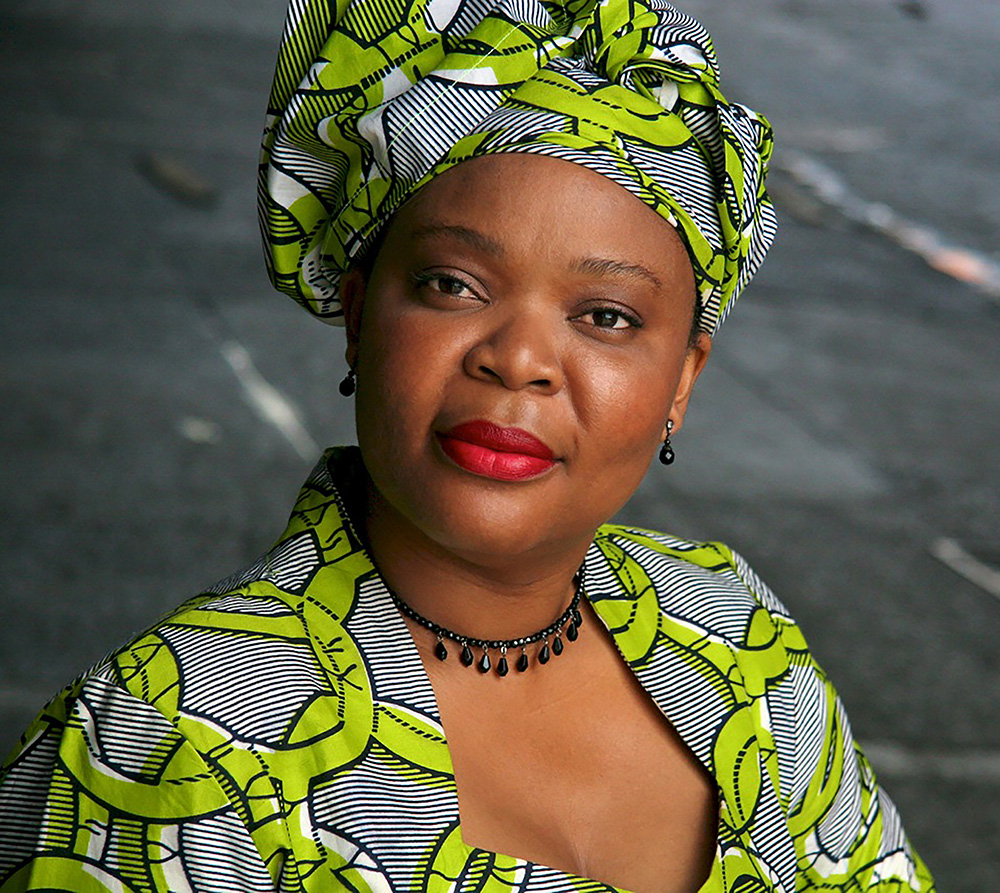
In the early 2000s, Liberia was experiencing one of the most devastating periods in its history. Years of civil war had left the country deeply fractured. Communities were displaced, infrastructure was destroyed, and families were caught in a cycle of violence that seemed impossible to escape. In the middle of this crisis, an unexpected force for change emerged: a movement of ordinary women who decided that the war had to end. At the center of that movement was Leymah Gbowee, a Liberian peace activist who helped organize thousands of women across religious and social lines to demand an end to the conflict. Through a disciplined campaign of nonviolent protest, public advocacy, and political pressure, the movement became one of the most influential grassroots peace efforts in modern African history. What made this movement remarkable was not only its persistence but also its ability to unite Christian and Muslim women around a shared purpose. At a time when political leaders and armed factions were locked in violent conflict, these women demonstrated that collective civic action could influence the direction of national events. Their efforts eventually contributed to peace negotiations that helped end Liberia’s second civil war in 2003. Years later, Gbowee’s leadership and dedication to peacebuilding would receive global recognition when she was awarded the Nobel Peace Prize in 2011. As part of this Women’s Month series recognizing influential African women, this article explores the life and leadership of Leymah Gbowee. It examines the historical context of Liberia’s civil war, the creation of the women’s peace movement, the role of nonviolent activism in shaping political outcomes, and the lasting impact of her work on peacebuilding and women’s leadership across Africa. Liberia’s Civil War: A Nation in Crisis To understand the significance of Leymah Gbowee’s activism, it is important to look at the conditions Liberia faced during its years of civil conflict. Liberia’s first civil war began in 1989 when rebel groups launched an armed rebellion against the government of President Samuel Doe. The conflict quickly escalated into widespread violence involving multiple factions competing for power. The war devastated the country. Thousands of people were killed, many more were displaced, and the national economy collapsed. Schools closed, healthcare systems deteriorated, and communities were left without basic services. Although the first civil war formally ended in 1997 with the election of Charles Taylor as president, the peace was fragile. Political tensions remained high, and violence soon returned. By 1999, Liberia had entered a second civil war. Armed groups continued to fight government forces, and civilians again found themselves caught in the middle of the conflict. The situation was especially devastating for women and children. Many families were separated, and communities struggled to survive under the constant threat of violence. It was during this period of national crisis that Leymah Gbowee began organizing what would become a powerful grassroots movement for peace. Leymah Gbowee’s Early Life and Motivation Leymah Roberta Gbowee was born on February 1, 1972, in central Liberia. She grew up during a time when the country was experiencing increasing political instability. When the civil war began in 1989, she was still a teenager. Like many Liberians, her life was dramatically affected by the violence and uncertainty that followed. Families were displaced, economic opportunities disappeared, and daily life became unpredictable. These experiences shaped her perspective on the conflict and the need for peace. As the war continued, she became involved in trauma counseling programs that supported individuals affected by the violence. Working with survivors of the war gave her direct insight into the emotional and psychological impact of the conflict on communities. She saw how families were struggling to cope with loss, displacement, and long-term insecurity. These experiences motivated her to become more involved in peacebuilding efforts. She began working with organizations that focused on reconciliation, community healing, and grassroots activism. Over time, she came to believe that women—particularly mothers and community leaders—could play a powerful role in pushing for an end to the conflict. The Birth of the Women of Liberia Mass Action for Peace In 2003, Leymah Gbowee helped launch the Women of Liberia Mass Action for Peace movement, a grassroots campaign that would bring together women from different backgrounds to demand an end to the war. The movement was remarkable in its ability to unite women across religious lines. Christian and Muslim women joined together under a shared message: Liberia’s future depended on ending the violence. Participants wore simple white clothing to symbolize peace and gathered in public spaces to pray, sing, and demonstrate against the ongoing conflict. The protests were disciplined and consistent. Women met daily to demand that political leaders and armed groups negotiate an end to the war. Their strategy relied on persistence rather than confrontation. By maintaining a visible presence and refusing to abandon their demands, they drew national and international attention to the peace movement. The unity between Christian and Muslim participants was particularly significant. In a region where religious differences sometimes contributed to tension, the movement showed that cooperation across faith communities could strengthen peace efforts. Nonviolent Protest as a Political Force The Women of Liberia Mass Action for Peace movement demonstrated how organized nonviolent protest could influence political decisions during times of conflict. Participants organized sit-ins, public demonstrations, and community gatherings that emphasized the urgent need for peace negotiations. One of the movement’s most widely discussed actions occurred when women staged a peaceful protest outside the presidential palace. Their presence was a clear signal that ordinary citizens were demanding accountability from national leadership. The movement also used symbolic acts to reinforce its message. In some cases, women participated in a traditional practice known as a “sex strike,” where they withheld sexual relations from their partners as a way of encouraging men to support peace efforts. While the strike was more symbolic than widespread, it drew media attention and highlighted the seriousness of the women’s commitment to ending the war. More importantly, the movement created a moral and social pressure that political
Women’s History Month Part 11: Henrietta Lacks: She Did Not Choose to Change Medicine. Medicine Took That Choice From Her.
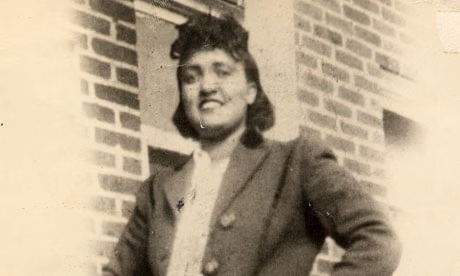
On February 5, 1951, Henrietta Lacks was on a table at Johns Hopkins Hospital in Baltimore, Maryland, receiving a radium treatment for cervical cancer. She was thirty years old. She was the mother of five children. She was the wife of David Lacks, who worked at the Bethlehem Steel mill at Sparrows Point. She was a woman who enjoyed dancing, cooking, playing cards, and taking her children to visit the tobacco fields of Clover, Virginia, where she had grown up. She was unconscious. While she was unconscious, the resident surgeon Lawrence Wharton Jr. excised a biopsy of approximately one square centimeter from the edge of her cervical tumor. He also took a sample of healthy cervical tissue from nearby. Neither sample was medically necessary for her treatment. Neither was taken with her knowledge. Neither was taken with her consent. The only document Henrietta Lacks had signed at Johns Hopkins was titled “Operation Permit” — consent to anesthetic and surgical procedures deemed necessary for proper care. Harvesting tissue samples for research purposes was not what she had agreed to. She did not know it was happening. She would never know. The samples were transferred to Dr. George Otto Gey, the head of tissue culture research at Johns Hopkins. Gey had been attempting for years to grow human cells in laboratory conditions long enough to study them. Every previous sample had died within days. His assistant Mary Kubicek received the tumor sample, covered it in culture medium, and labeled it “HeLa” — He for Henrietta, La for Lacks — according to the lab’s naming convention. Within forty-eight hours, Lacks’s cancer cells were growing. Within twenty-four hours after that, they had doubled. They continued to double every twenty to twenty-four hours. The healthy tissue sample died. The cancer cells did not stop. Henrietta Lacks died on October 4, 1951. She was thirty-one years old. The cancer had spread throughout her body, unresponsive to the radiation that had been administered in the same procedure in which her cells were taken. She was buried in an unmarked grave on the tobacco farm in Clover, Virginia, where she had grown up — the same farm where her ancestors had been enslaved. Her cells were already dividing in George Gey’s laboratory. They have not stopped since. Clover, Virginia, to Baltimore: The Life the World Has Mostly Not Bothered to Learn Henrietta Lacks was born Loretta Pleasant on August 1, 1920, in Roanoke, Virginia, the ninth of ten children of Johnny and Eliza Pleasant. Her mother, Eliz, died in 1924, following the birth of her tenth child, when Henrietta was four years old. Her father moved the family to Clover, Virginia, dividing the children among relatives. Henrietta went to live with her grandfather, er Tommy Lacks, on the same tobacco farm where the family’s ancestors had worked as enslaved people. Her cousin David — known as Day — came to live there too. They grew up together on that farm. They married each other on April 10, 1941. Henrietta was twenty years old. In the early 1940s, a cousin encouraged David to move north to Baltimore, where Bethlehem Steel’s Sparrows Point mill was hiring and paying wages that tobacco farming in Clover never could. They moved. David worked the mill. Henrietta managed the household in Turner Station, the tight Black community in the Dundalk neighborhood of Baltimore, where the mill workers and their families lived. They had five children: Lawrence, Elsie, David Jr. (known as Sonny), Deborah, and Zakariyya. She was known in the neighborhood as someone who kept her door open — housing extended family members making the transition to Baltimore, feeding people, filling the house. She danced. She cooked. She played cards. She took the children to Clover on weekends to stay connected to the land and the people they had come from. Her daughter,r Els, i.e., was developmentally disabled and was placed in the Hospital for the Negro Insane — later renamed Crownsville Hospital Center — around the time Henrietta’s cancer was being diagnosed. Elsie died there in 1955 at fifteen. There is documentation suggesting that Elsie may have been subjected to pneumoencephalography, a procedure in which fluid is drained from the brain and replaced with air or gas to improve imaging — a painful and dangerous practice. The family did not know the details. They rarely did. That pattern of not knowing, of being excluded from information about what was being done to the people they loved by the medical institutions they could not afford not to trust, would define the Lacks family’s relationship with medicine for the next seven decades. Johns Hopkins was the only major hospital in Baltimore that would treat Black patients in 1951. Segregation was the law. It was also practice. Patients in the public wards — which meant Black patients, poor patients, and patients who had nowhere else to go — routinely had their tissue samples collected for research without their knowledge. This was standard operating procedure. It was also, by any honest reckoning, a system in which the people least positioned to refuse bore the full cost of the research that benefited everyone else. What Her Cells Built. The Scale of It Is Almost Impossible to State. By 1952, HeLa cells were being mass-produced at a facility established at the Tuskegee Institute in Alabama — staffed largely by Black scientists and technicians, many of them women — to meet the national demand generated by the polio vaccine effort. Rebecca Skloot, whose decade of research produced the definitive account of this history, captured the historical irony with precision: Black scientists used cells from a Black woman to help save millions of lives — most of them white — on the same campus, at the very same time, that state officials were conducting the Tuskegee syphilis study. The juxtaposition is not incidental. It is the argument. Jonas Salk used HeLa cells in 1954 to develop and test his polio vaccine. That vaccine ended one of the most feared diseases
Women’s History Month Part 11: Maxine Waters: Reclaiming Her Time. And Yours. And the Country’s.
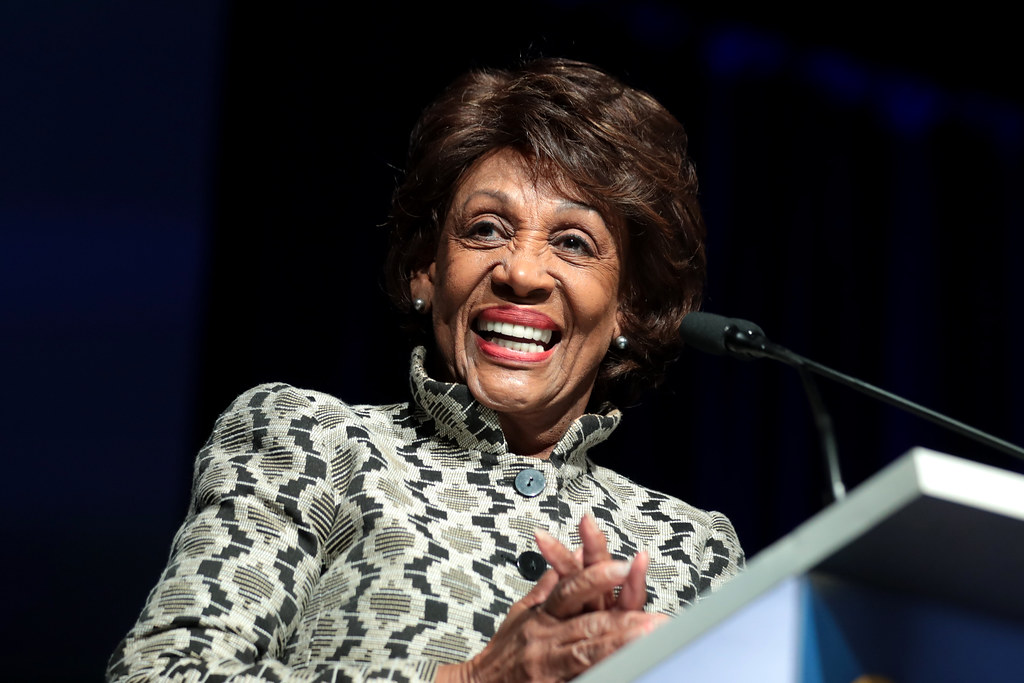
In July 2017, Maxine Waters sat at the dais of the House Financial Services Committee and asked Treasury Secretary Steven Mnuchin a question. Mnuchin began his response with an extended preamble about what an honor it was to be there, how much he appreciated the committee’s time, how he looked forward to a productive conversation. Waters listened for a moment. Then she interrupted. “Reclaiming my time,” she said. Under congressional procedure, a member who has yielded the floor is entitled to reclaim it if the respondent is consuming her allocated minutes without answering the question. Mnuchin attempted to continue. “Reclaiming my time,” she said again. And again. Each time, precise and unhurried, as though the phrase cost her nothing and the alternative — letting a powerful man use her time to avoid answering her question — was simply not available. The phrase became a cultural phenomenon almost immediately. It was set to music. It was printed on T-shirts. It circulated across social media as a statement of self-possession that people recognized from their own lives: the meeting where someone else’s digression consumed the time you had been allocated to speak; the conversation where a powerful person answered a different question than the one you asked; the professional environment where your authority was treated as provisional, subject to revision by anyone with the confidence to test it. “Reclaiming my time” named the refusal to accept any of that. It named it precisely, procedurally, without rage or performance. Just: no. This is mine. I am taking it back. The reason the phrase landed so hard is that it was not new. Maxine Waters had been saying it in that precise register — calm, certain, immovable — for her entire professional life. She began saying it in the garment factories and segregated restaurants of St. Louis, where she started working at thirteen years old. She was saying it in Watts when she organized Head Start parents to demand federal budget allocations from legislators who had not planned to hear from them. She was saying it in the California State Assembly when she moved the largest divestment of state pension funds from apartheid South Africa that any American state had ever executed. She was saying it from the floor of the House of Representatives across eighteen terms and counting. The Mnuchin hearing was just the first time a camera caught it in a frame the internet could transmit in a single clip. The Fifth of Thirteen: What Poverty in St. Louis Actually Teaches Maxine Moore Carr was born on August 15, 1938, in St. Louis, Missouri, the fifth of thirteen children of Remus Carr and Velma Lee Moore Carr. Her father left the family when she was two years old. Her mother raised thirteen children on a combination of low-paying intermittent work and public assistance. Waters has described her mother in terms that do not romanticize the difficulty: a strong woman, a survivor, whose determination served as an example. What poverty in a large family with an absent father actually teaches, in Waters’s account, is competition and voice. “Just getting heard in a family that size is difficult,” she has said. The skill of making yourself heard when no one has arranged the room for you to be heard in is the foundational political skill. She learned it before she had words for it. She began working at thirteen in factories and segregated restaurants. She graduated from Vashon High School in 1956 and moved with her family to Los Angeles in 1961. There she worked in a garment factory and as a telephone operator while she figured out what came next. What came next was Head Start. In 1966, she was hired as an assistant teacher with the newly formed federal program in Watts — the same Watts neighborhood that had erupted the previous summer in one of the most significant urban uprisings in American history. Head Start was not simply a job. It was a theory of power: that what poor communities needed was not charity delivered from above but the organizational infrastructure to demand what they were owed. Waters became the voice for frustrated Head Start parents, organizing them to make federal budget requests, contact legislators, and lobby for program components tailored to their community. She has said of that period: “Head Start made a significant difference in my life. It helped me see how I could help people, and it helped steer me into politics.” While working at Head Start, she enrolled at California State University, Los Angeles, and earned a bachelor’s degree in sociology in 1970. By graduation she was divorced and raising her two children alone. In 1973, she went to work as chief deputy to Los Angeles City Councilman David S. Cunningham Jr. — her first direct experience of the levers of municipal power. Three years later, she ran for the California State Assembly. She won. The trajectory from a St. Louis factory at thirteen to the California legislature at thirty-seven is not a story about luck or individual exceptionalism. It is a story about someone who identified the mechanisms of power, learned them from the inside, and used them with increasing precision for the next fifty years. Sacramento: Where She Built the Foundation No One Remembers Maxine Waters served seven two-year terms in the California State Assembly — fourteen years in Sacramento — before going to Congress in 1991. She rose to the position of Democratic Caucus Chair, one of the most senior positions in the California legislative caucus. The record she compiled in those fourteen years is the part of her career that has been most thoroughly overshadowed by her congressional tenure and by the cultural prominence she achieved in the Trump era. It should not be. What she built in Sacramento was the evidentiary base for everything she has argued about power and economic justice since. She led the largest divestment of state pension funds from companies doing business with apartheid South Africa that
Women’s History Month Part 10: Ngozi Okonjo-Iweala: A Global Voice for Economic Reform and Fair Trade
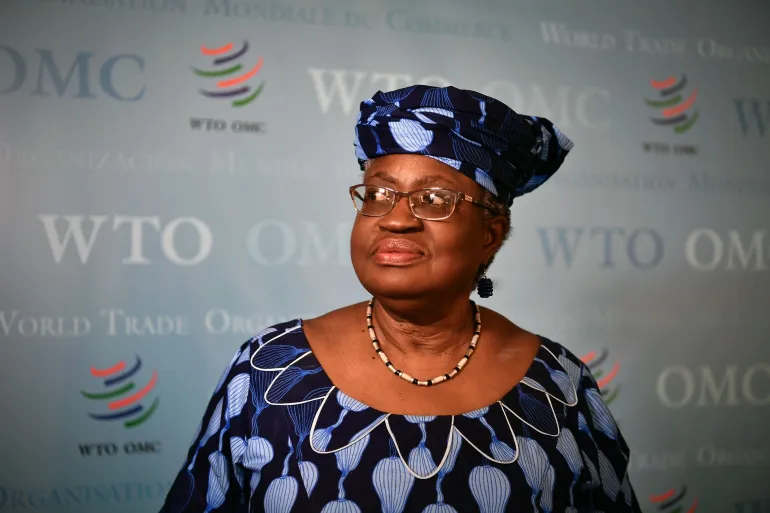
Economic leadership requires more than technical knowledge. It demands the ability to navigate political pressures, negotiate international agreements, and design policies that balance growth with fairness. Few modern economists have demonstrated this combination of skills as effectively as Ngozi Okonjo-Iweala. Over the course of a career spanning more than four decades, Okonjo-Iweala has emerged as one of the most influential economic policymakers in the world. She has served as Nigeria’s Finance Minister, a senior official at the World Bank, and the Director-General of the World Trade Organization. Her work has focused on strengthening financial transparency, reducing national debt, and creating global trade systems that provide fair opportunities for developing economies. Her leadership reached a historic milestone in 2021 when she became the first woman and the first African to lead the World Trade Organization. The appointment represented not only a personal achievement but also a moment of symbolic progress for Africa’s role in shaping global economic policy. From negotiating billions of dollars in debt relief for Nigeria to guiding international trade discussions during a period of global economic uncertainty, Okonjo-Iweala’s career reflects a deep commitment to economic reform and global cooperation. Her influence continues to shape debates about development, trade, and economic opportunity around the world. Early Life & Education Ngozi Okonjo‑Iweala was born on June 13, 1954, in Ogwashi‑Uku in Nigeria’s Delta State. Raised in a community that valued education and public service, she showed academic promise from an early age. Nigeria itself was undergoing significant change during her youth, having gained independence from British colonial rule in 1960. This environment informed her understanding of national development and governance. She began her education in Nigeria, attending International School Ibadan and St. Anne’s School in Molete before moving to the United States for higher education. She earned a bachelor’s degree magna cum laude in Economics from Harvard University in 1976, and later completed a Ph.D. in Regional Economics and Development at the Massachusetts Institute of Technology (MIT) in 1981. Her academic achievements equipped her with powerful analytical tools and a deep understanding of economic systems — a foundation she would draw on throughout her career, particularly in roles that required not just technical skill but also diplomatic acumen and political courage. A Distinguished Career at the World Bank After completing her doctoral studies, Okonjo‑Iweala began a long and impactful career at the World Bank, one of the world’s most influential financial institutions devoted to international development. Over 25 years, she worked in multiple capacities, culminating in her appointment as Managing Director of Operations — the second‑highest position in the bank. In this role, she was responsible for overseeing an $81 billion operational portfolio spanning Africa, South Asia, Europe, and Central Asia. Her work focused on poverty reduction, infrastructure development, and financial stability for vulnerable economies. Okonjo‑Iweala also played a key role during global crises that shook economic structures. During the global financial crisis of 2007–2009 and the associated surge in food prices, she helped coordinate international response strategies and financial support packages for low‑income countries struggling to maintain stability. This work deepened her understanding of how global systems interact and how international cooperation can mitigate shocks that disproportionately impact developing economies. Her tenure at the World Bank not only solidified her reputation as a skilled development economist but also laid the groundwork for her later roles in national government and global governance. Reforming Nigeria’s Economy: Finance Minister Although Okonjo‑Iweala achieved considerable success at the World Bank, she returned to Nigeria to take on one of her nation’s most demanding public offices: Minister of Finance. She served in this position twice — first from 2003 to 2006, and again from 2011 to 2015, becoming the first woman to do so. During her first tenure, Nigeria faced significant economic challenges: chronic external debt, weak fiscal management, and corruption‑related leakages in government finances. Okonjo‑Iweala spearheaded negotiations with the Paris Club of international creditors that led to the cancellation of approximately $18 billion of Nigeria’s external debt, along with the restructuring of an additional $12 billion — eliminating roughly $30 billion in debt obligations. This historic achievement freed up government funds for development programs in infrastructure, education, and healthcare. She also introduced key reforms targeting transparency and fiscal accountability, including new financial reporting systems and measures to reduce corruption in public spending. These reforms helped strengthen public trust in government financial management and contributed to improved macroeconomic stability. During her second term, Okonjo‑Iweala continued to build on these reforms, introducing modern financial systems such as digital payroll mechanisms and more centralized treasury operations to improve efficiency and reduce opportunities for corruption. Her work as Finance Minister was widely recognized both at home and abroad, reinforcing the view that strong governance and disciplined fiscal policy are foundational to national development. Leadership on the Global Stage Okonjo‑Iweala’s influence extends far beyond Nigeria. Her expertise has been recognized globally, and she has served on numerous international boards and advisory bodies. She was Chair of the Board of Gavi, the Vaccine Alliance, helping expand vaccine access to millions of children in low‑income countries. She has also been African Union Special Envoy to mobilize international financial support in response to the COVID‑19 pandemic and served as a WHO Special Envoy for the Access to COVID‑19 Tools Accelerator. Her global engagement highlights a central tenet of her approach: economic development is deeply interconnected with public health, global cooperation, and institutional transparency. These roles also positioned her as a respected negotiator on global challenges beyond purely economic matters. Director‑General of the World Trade Organization In March 2021, Okonjo‑Iweala became the seventh Director‑General of the World Trade Organization (WTO), making history as both the first woman and the first African to lead the organization. The WTO is the principal institution responsible for regulating international trade among member nations. Its mandate includes establishing rules that govern global commerce, resolving disputes, and promoting policies aimed at reducing barriers to trade and improving economic cooperation. Okonjo‑Iweala assumed leadership during a period of intense global
Women’s History Month Part 9: Dr. Kizzmekia Corbett: She Was Ready Before the World Knew It Needed Her.
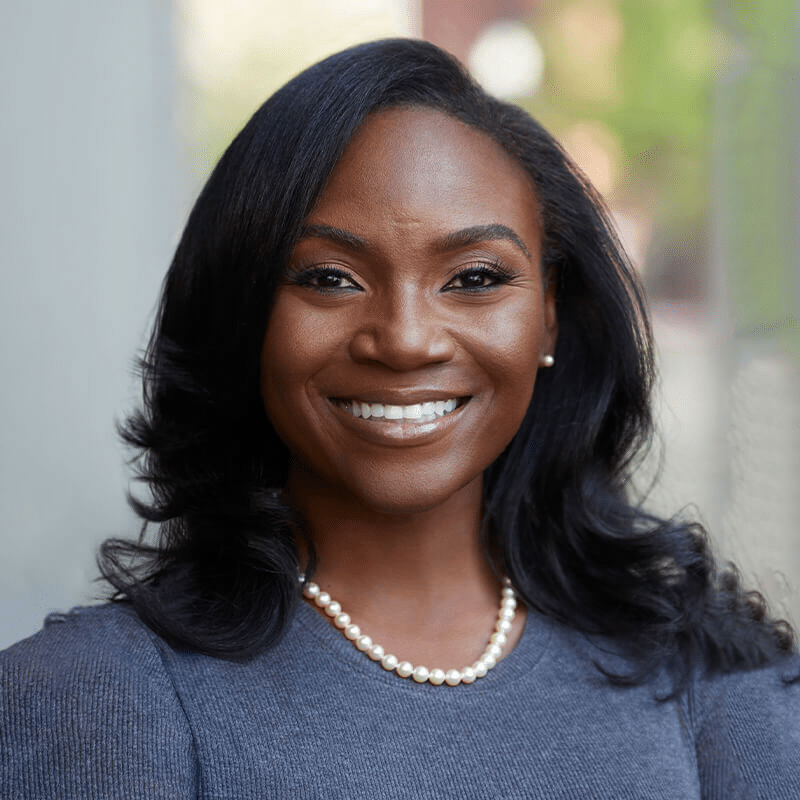
She was sitting on her mother’s couch in Hillsborough, North Carolina, on the last night of the decade, when the email arrived. The subject line read: “Get ready for 2020.” Attached was a news article describing twenty-seven people in Wuhan, China, who had been stricken by a mysterious respiratory illness. Her boss at the National Institutes of Health in Bethesda had sent it. She was thirty-three years old. She had spent the previous six years of her professional life studying coronaviruses. And on New Year’s Eve 2019, while the rest of the world was watching fireworks and making resolutions, the field she had chosen to work in quietly announced that it was about to matter more than anyone outside a handful of virology labs yet understood. What followed in the next sixty-six days — from the publication of the novel coronavirus’s genetic sequence on January 10, 2020, to the launch of Phase 1 clinical trials for the vaccine candidate mRNA-1273 on March 16, 2020 — was the fastest vaccine development process in recorded scientific history. The woman who led that team, who designed the spike protein the vaccine would train the immune system to recognize, who partnered with Moderna to move from genome to clinical trial in under ten weeks, was a girl from Hurdle Mills, North Carolina, who had won her third-grade science fair with her cousin and told anyone who would listen that she was going to be the first Black woman to win the Nobel Prize in Medicine. The story of how she got from that couch in Hillsborough to that lab in Bethesda is not a story about exceptional circumstances. It is a story about a very specific kind of preparation meeting a very specific kind of moment, and about what it looks like when the institutions that are supposed to find talent actually find it, and when the individual who receives that opportunity does not waste a single day of it. Hurdle Mills to Bethesda: The Education That Built the Scientist Kizzmekia Shanta Corbett was born on January 26, 1986, in Hurdle Mills, a rural North Carolina town about twenty-five miles northwest of Burlington. She grew up in Hillsborough with her mother, Rhonda Brooks, a stepfather, and a large family that included step-siblings and foster siblings. Her fourth-grade teacher recognized her ability early enough to tell her mother to put her in advanced classes. Her mother has recalled that Kizzy was always like a detective — that when she set her mind on something, it was set. As a child, she described her goal as becoming the first Black woman to win the Nobel Prize in Medicine. That is not the ambition of a child who has been told to aim small. In high school, she was selected for ProjectSEED, a summer program run by the American Chemical Society to give underrepresented minority students access to real science careers. The summer before her junior year, she worked in an organic chemistry lab at UNC-Chapel Hill, using equipment she had never seen, working alongside researchers whose names she had only read. She has described that summer as the moment she knew: “I was able to use cutting-edge equipment, I was able to work with world-renowned experts, and I developed a passion for the scientific process. I just knew that I had to pursue science as a career.” She graduated from Orange High School in 2004 and enrolled at the University of Maryland, Baltimore County, on a full scholarship through the Meyerhoff Scholars Program — a program designed specifically to increase the number of underrepresented minority students who complete doctoral degrees in science and engineering. She double-majored in biological sciences and sociology. The sociology major was not incidental. She has said that all the components of her identity — her faith, her Southerness, her community ties, her understanding of the people science is supposed to serve — make her a better scientist. The double major was a statement of how she understood her own work before she had done most of it. During her undergraduate summers, she interned at the NIH Vaccine Research Center, where she worked in the lab of Dr. Barney Graham. When Graham asked her, in one of those early conversations, what she ultimately wanted to do with her life, she told him she wanted his job. Graham later recalled: “From the very beginning, she was really pretty bold in her aspirations. And I, if I recall correctly, I was just glad to hear help was coming.” She graduated in 2008. She then spent three years at NIH as a biological sciences trainer alongside Graham, studying the pathogenesis of respiratory syncytial virus, before enrolling at the University of North Carolina at Chapel Hill to pursue her doctorate. Her Ph.D., awarded in 2014, was built on five years of fieldwork in Sri Lanka studying human antibody responses to dengue fever in children. She was not studying coronaviruses yet. She was building the foundational understanding of how the immune system produces antibodies in response to viral infection — knowledge that would, a decade later, be the scientific infrastructure on which everything else was built. She joined the NIH Vaccine Research Center as a research fellow in October 2014, and she spent the next six years doing the work that made sixty-six days possible. The Six Years the World Did Not Know Were Happening The question most people asked when the Moderna vaccine was authorized in December 2020 was: how did they do it so fast? The answer is that they did not do it fast. They did it over six years. The sixty-six days from genome release to clinical trial were the final sprint of a race that had been run since 2014, when Corbett joined Graham’s Viral Pathogenesis Laboratory and began systematically building the knowledge base and the technical infrastructure that would eventually allow her team to design a vaccine candidate in under forty-eight hours. The scientific work during those six years focused on
Women’s History Month Part 8: Fatou Bensouda: Champion of International Justice and Accountability
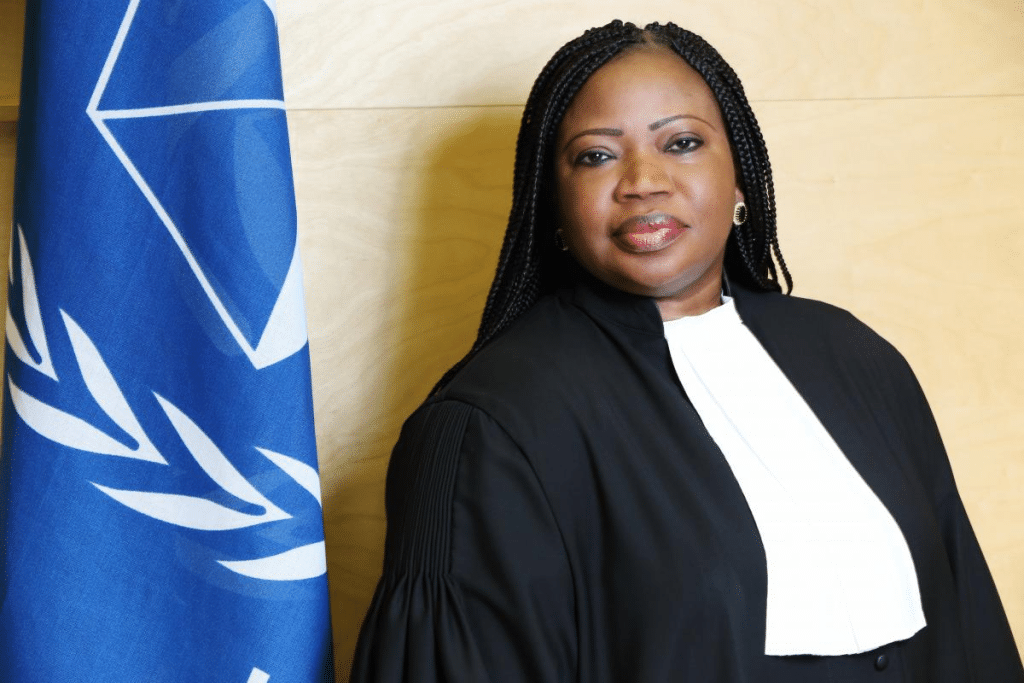
Fatou Bensouda’s name is synonymous with global efforts to ensure accountability for the most serious crimes under international law. Hailing from The Gambia, she rose through a distinguished legal career to lead one of the world’s most important institutions for international justice — the International Criminal Court (ICC) — where she served as Chief Prosecutor from June 2012 to June 2021. Her tenure at the ICC was historic: she was the first woman and first African to hold this position, setting a powerful example of leadership on the global stage and advancing the cause of justice for victims of genocide, war crimes, crimes against humanity, and other atrocities. Bensouda’s work placed her at the forefront of international efforts to uphold the rule of law and hold powerful actors accountable when national systems fail. At a time when global impunity has allowed some of the worst human rights violations to go unpunished, her leadership made the ICC’s mission more visible, more active, and more responsive to emerging challenges. Throughout her career, she has not only shaped major legal strategies but also sparked global conversations about justice, gender‑based violence, and the importance of international legal frameworks that protect human rights. Her legacy bridges national governance and international law, reminding the world that accountability for atrocities must be pursued without fear or favor. Early Life, Legal Formation, and National Service Fatou Bensouda was born on January 31, 1961, in Banjul, The Gambia, where she grew up in a large family with strong ties to community and public life. Her interest in law and justice took shape while watching courtroom proceedings during her youth — a formative experience that kindled her belief in the power of legal systems to protect the vulnerable and uphold human dignity. She earned her law degree from the Obafemi Awolowo University in Nigeria, followed by legal training at the Nigerian Law School. She also holds a Master’s degree in International Maritime Law and the Law of the Sea, making her The Gambia’s first specialist in this field. Returning to The Gambia in the late 1980s, she built an impressive track record in national legal service. Between 1987 and 2000, she advanced through a series of positions, including Senior State Counsel, Principal State Counsel, Deputy Director of Public Prosecutions, Solicitor General and Legal Secretary, and ultimately Attorney General and Minister of Justice — positions in which she served as the chief legal advisor to the President and Cabinet. During this period, she also represented The Gambia in negotiations for regional legal frameworks, including agreements for the Economic Community of West African States (ECOWAS) and its parliamentary and judicial institutions. These varied roles gave her extensive experience in both domestic and international legal matters, sharpening her legal judgment and positioning her as a respected voice on issues of justice and governance. From The Gambia to International Justice: The International Criminal Tribunal for Rwanda In 2002, Bensouda transitioned to the international stage when she joined the United Nations International Criminal Tribunal for Rwanda (ICTR) based in Arusha, Tanzania. The ICTR was established to prosecute those responsible for the 1994 Rwandan genocide, a conflict that claimed approximately 800,000 lives in just a few months — one of the most devastating episodes of mass violence in recent history. While there, she served as Legal Adviser and Trial Attorney before rising to become Senior Legal Advisor and Head of the Legal Advisory Unit. Her work at the ICTR involved guiding prosecutorial strategies, managing complex legal analyses, and contributing to landmark cases that helped shape the early foundations of international criminal jurisprudence. This period was crucial in preparing her for her future role at the ICC, giving her direct experience prosecuting mass atrocities and working within multilateral legal systems designed to deliver justice on behalf of victims. Leading the International Criminal Court In December 2011, Fatou Bensouda was elected by consensus as Prosecutor of the International Criminal Court (ICC) by the Assembly of States Parties to the Rome Statute — the treaty that established the Court. She was sworn in on June 15, 2012. Her election was historically significant: she became both the first woman and the first African to lead the ICC’s Office of the Prosecutor, a position that carries enormous responsibility for investigating and prosecuting some of the most serious crimes under international law. Before becoming Chief Prosecutor, she served as the ICC’s Deputy Prosecutor for Prosecutions from 2004 to 2012, where she oversaw the Prosecution Division and helped shape early approaches to ICC cases. As Chief Prosecutor, her office handled numerous investigations and prosecutions involving crimes in regions including the Democratic Republic of Congo, Central African Republic, Kenya, Libya, Ivory Coast, and Sudan — addressing crimes related to armed conflict, mass violence, and systematic abuses. Under her leadership, the ICC’s prosecutorial policies evolved to emphasize gender‑based crimes, crimes against children, and cultural heritage protection, expanding the scope of accountability in ways that responded to previously underrepresented harmful patterns. Her tenure was not without controversy or challenge, as international prosecution invariably involves political pressures and large‑scale geopolitical tensions. Yet she consistently maintained that justice must be pursued with integrity, independence, and professionalism — principles that guided her largest and most complex cases. Advancing Rule of Law and Human Rights Bensouda’s influence extended well beyond courtroom decisions and indictments. She became a global voice advocating for the strengthening of rule of law, human rights protections, and the importance of international accountability mechanisms. Her work helped reinforce the notion that when national systems fail to address serious atrocities, the international community — through institutions like the ICC — must step in to ensure that perpetrators are held responsible and victims receive a measure of justice. Under her leadership, the ICC pursued cases involving high‑profile figures, including warlords, commanders accused of recruiting child soldiers, and leaders implicated in crimes against humanity. This placed her at the center of global efforts to confront impunity for atrocities that shock the conscience of humanity. Even after her tenure at
Women’s History Month Part 7: Norma Merrick Sklarek: She Built the Buildings. The Industry Kept Her Name Off Them.
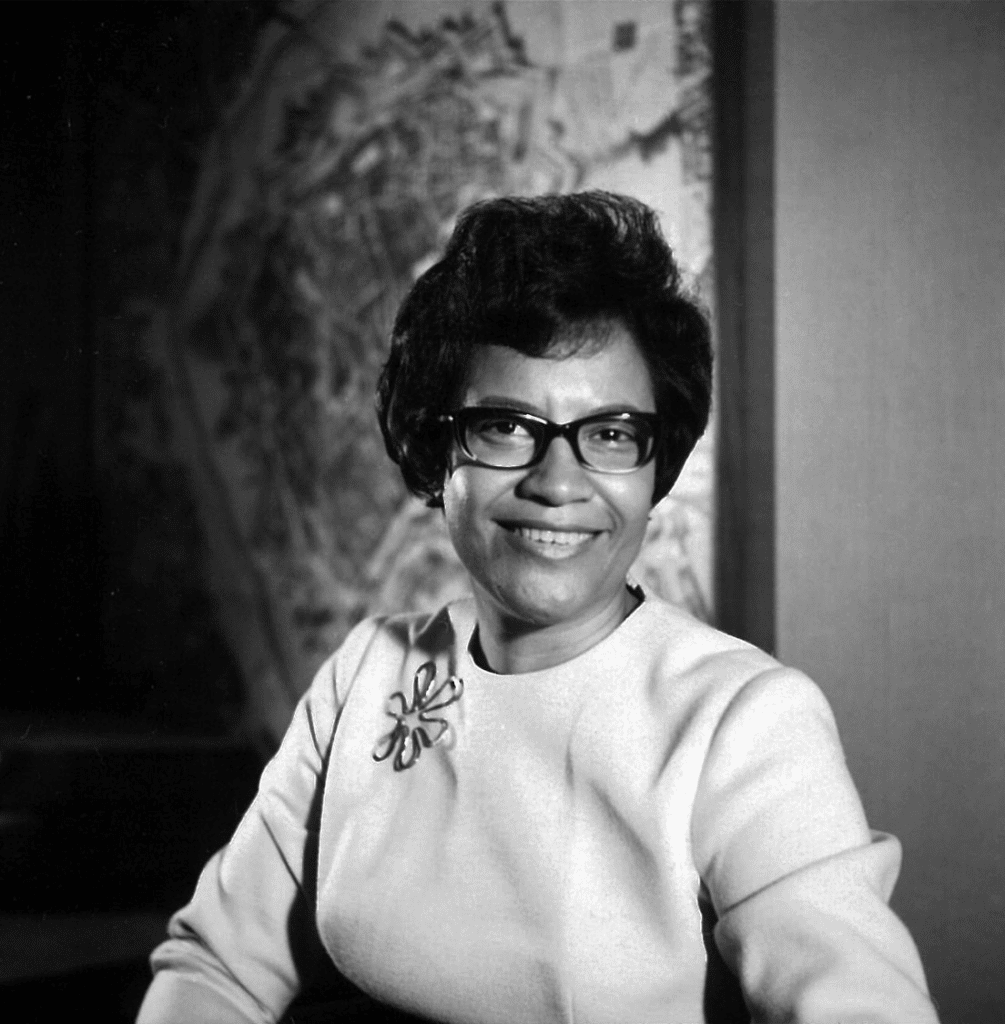
There is a terminal at Los Angeles International Airport that Norma Merrick Sklarek built. There is an American embassy in Tokyo that Norma Merrick Sklarek designed. There is a Pacific Design Center in Los Angeles, a California Mart, a San Bernardino City Hall, a Fox Plaza in San Francisco, and a Mall of America in Bloomington, Minnesota, that exist in significant part because of her work. You may have walked through one of them. You almost certainly did not know whose hands brought it into existence. That invisibility — the gap between the work she did and the credit the profession assigned her — is not incidental to her story. It is the story. Norma Merrick Sklarek spent four decades executing some of the most consequential architectural projects in the United States while the industry she served categorized her as “project architect” rather than “design architect,” a distinction that kept her name out of the publications, the awards, the history books, and the popular memory of American architecture. The buildings stood. She did not. She was born on April 15, 1926, in Harlem, New York, the only child of Dr. Walter Ernest Merrick and Amy Merrick, both immigrants from Trinidad. Her father was a physician. Her mother was a seamstress. They had arrived in the United States as part of the first significant Caribbean immigration wave of the early twentieth century, in the year before her birth, carrying with them the conviction that education and professional achievement were the mechanisms of a better life. That conviction was transmitted to their daughter without ambiguity. She grew up in Harlem and Brooklyn, attending predominantly white schools where, by her own account, teachers and fellow students regarded her as an inferior human being. She resolved, during those years, to prove them wrong. Her aptitude for mathematics and art was clear early. Her father — with whom she was close, who took her fishing and taught her carpentry and house painting — recognized the combination and suggested architecture. In the 1940s, suggesting that a Black girl from Harlem pursue architecture was not a modest ambition. It was an act of deliberate defiance against what the world had arranged for her. Nineteen Rejections. One Exam. One Industry That Had No Idea What Was Coming. She attended Barnard College for one year — the minimum liberal arts requirement for admission to Columbia University’s School of Architecture — and then enrolled at Columbia. The School of Architecture in the late 1940s was dominated by World War II veterans, many of them holding advanced degrees, who formed exclusive study groups among themselves and collaborated on assignments. Sklarek commuted to school. She studied alone, on the subway,y and at home. There were no study groups that included her. She described the environment plainly: “The competition was keen. But I had a stick-to-it attitude and never gave up.” She graduated in 1950 with a Bachelor of Architecture — the first Black woman to earn an architecture degree from Columbia, one of only two women in her graduating class. She then applied to nineteen architectural firms in New York City. All nineteen rejected her. Her own account of what drove those rejections, delivered in 2004, was precise in its refusal to choose between the two explanations the industry offered: “They weren’t hiring women or African Americans, and I didn’t know which it was working against me.” The answer, of course, was both. But the industry preferred not to name either, and so Norma Merrick Sklarek — Columbia-trained, architecturally gifted, possessed of a degree the nineteen firms’ hiring partners could not dispute — accepted a civil service position as a junior draftsperson at the New York City Department of Public Works. She stayed four years. She was dissatisfied from the start. In 1954, she sat for the New York State architecture licensure examination — a grueling four-day ordeal that separated licensed architects from everyone else in the profession. She passed on her first try. She became the first Black woman to hold an architecture license in the state of New York. Within a year, armed with a license that made her institutional credentials undeniable, she applied again to the private firms. This time, me Skidmore, Owings & Merrill — one of the most prominent architectural practices in the country — hired her. It did so despite a deliberately negative reference from her supervisor at the Department of Public Works, whose motivation she identified without hesitation: “It had to be personal. He was not a licensed architect, and I was a young kid — I looked like a teenager — and I was black and a licensed architect.” At SOM, she received real responsibility for large-scale projects. She was, simultaneously, a single mother of two sons, working with her mother serving as primary childcare, and teaching evening architecture courses at New York City Community College. She did all of this without apparent complaint because complaint, in her framework, was not the instrument. The work was the instrument. In 1959, she became the first Black woman member of the American Institute of Architects. In 1960, she accepted the position of first female vice president at Gruen Associates in Los Angeles. In 1962, she became the first Black woman licensed as an architect in the state of California. She was building the record of a woman who was, by any professional measure, at the top of her field. The field did not always acknowledge it. The Credit Problem. And What It Tells You About How Architecture Actually Works. In 1975, Norma Merrick Sklarek wrote a letter to the vice chancellor at UCLA, where she was serving on the architecture faculty. The letter contains one of the most precise and quietly devastating sentences in the documentary record of Black professional life in twentieth-century America. She wrote: “As far as I know, I am the first and only Black woman architect licensed in California. I am not proud to be a unique statistic, but embarrassed by
Women’s History Month Part 6: Wangari Maathai: The Woman Who Planted Trees and Empowered a Nation
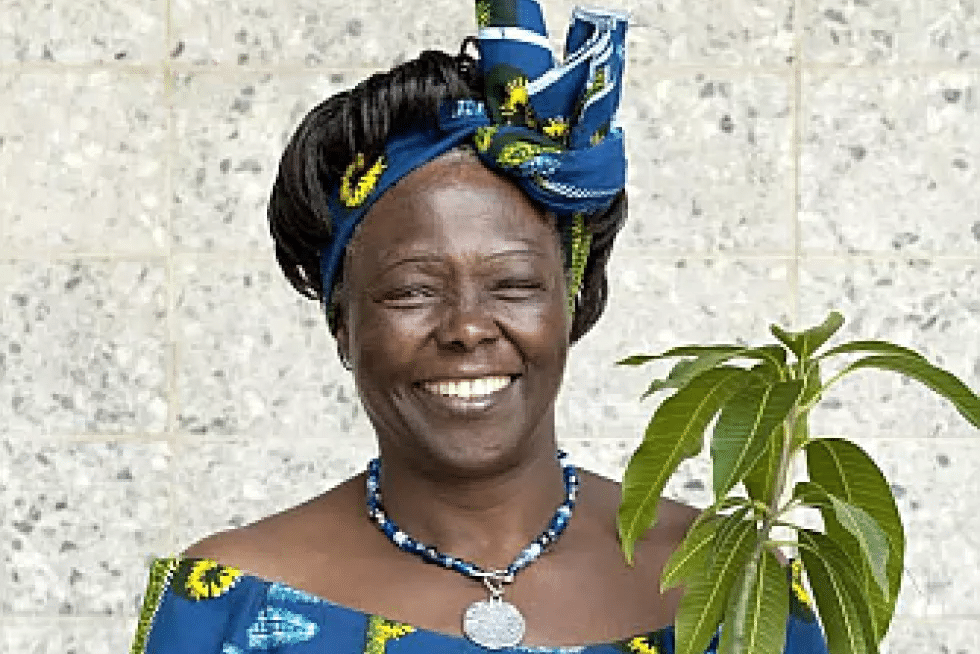
Every generation produces individuals whose work reshapes how the world understands justice, responsibility, and leadership. During Women’s History Month, it is important to recognize women whose contributions extend beyond their own communities and influence global conversations about equality, sustainability, and human rights. One of the most influential figures to emerge from Africa in the modern era is Wangari Maathai, the Kenyan environmentalist who transformed a grassroots tree-planting effort into an international movement for environmental protection, democracy, and women’s empowerment. Born in rural Kenya in 1940, Maathai grew up witnessing the close relationship between people and the land. Farming communities depended on forests, water sources, and fertile soil for survival. Over time, however, rapid deforestation and environmental degradation began to threaten these resources. For many families, especially women who were responsible for gathering firewood and maintaining household livelihoods, the impact was immediate and severe. Rather than accept this decline as inevitable, Maathai responded with action. In 1977, she founded the Green Belt Movement, a grassroots organization that mobilized rural women to plant trees across Kenya. What began as a modest effort quickly expanded into one of the most influential environmental initiatives in Africa. The movement helped restore forests, create economic opportunities for women, and encourage citizens to speak out against political injustice. Her work gained international recognition in 2004 when she became the first African woman to receive the Nobel Peace Prize for her contribution to sustainable development, democracy, and peace. Wangari Maathai’s story demonstrates how environmental stewardship, community leadership, and political courage can intersect to create lasting change. This article examines her early life, the creation of the Green Belt Movement, the political challenges she faced, and the global impact of her work. Early Life and Education Wangari Maathai was born on April 1, 1940, in Nyeri, Kenya, in a farming family that relied heavily on the natural environment for food and income. Growing up in a rural setting allowed her to observe firsthand how healthy forests, clean water, and fertile soil sustained entire communities. Her early education took place during a transformative period in Kenya’s history, as the country was moving toward independence from British colonial rule. Despite social and economic barriers that often limited educational opportunities for girls, Maathai excelled academically. She eventually received the opportunity to study in the United States as part of a scholarship program for East African students. During her time in the United States, she earned a bachelor’s degree in biology and later completed a master’s degree. Exposure to global ideas about science, civil rights, and democratic governance shaped her perspective and strengthened her commitment to community service. When she returned to Kenya in the mid-1960s, she continued her academic journey and became the first woman in East and Central Africa to earn a doctorate degree in biology. She later became the first female professor at the University of Nairobi. These accomplishments were significant not only for her personal career but also for the broader movement toward women’s participation in higher education and leadership. Yet Maathai soon realized that academic success alone would not solve the environmental and economic challenges facing Kenyan communities. The Environmental Crisis Facing Rural Kenya By the 1970s, Kenya was experiencing widespread deforestation. Forests were cleared for commercial agriculture, development, and fuel. While these activities supported certain industries, they also disrupted ecosystems and reduced access to basic resources for rural populations. For many women living in villages, the consequences were immediate. Firewood became scarce, forcing women to walk longer distances to collect fuel for cooking. Streams that once provided clean water began to dry up. Soil erosion made farming more difficult, reducing crop yields and increasing poverty. Maathai recognized that these environmental problems were closely tied to economic and social conditions. Women were often the first to notice environmental decline because their daily responsibilities depended on natural resources. Yet they rarely had access to the decision-making processes that shaped land use and environmental policies. This realization became the foundation for Maathai’s most influential initiative. The Creation of the Green Belt Movement In 1977, Wangari Maathai launched the Green Belt Movement, a grassroots effort designed to address environmental degradation while empowering rural women. The concept was simple but powerful: women would plant trees in their communities to restore forests, protect water sources, and generate income. The movement provided seedlings and training to women’s groups across Kenya. Participants learned how to establish small tree nurseries and care for young plants. Women were also paid a modest amount for each tree that survived, creating a direct economic incentive for environmental conservation. What started as a local project quickly expanded nationwide. Women planted trees on farms, along roadsides, near schools, and around churches. Over time, the movement contributed to the planting of tens of millions of trees across Kenya. Beyond environmental restoration, the Green Belt Movement created new opportunities for leadership and financial independence among women. Participants gained organizational skills, income, and a stronger voice in community decisions. The initiative demonstrated that environmental protection could also serve as a pathway to economic stability and social empowerment. Environmental Protection and Political Activism As the Green Belt Movement grew, Maathai began to address broader political issues affecting environmental management in Kenya. She argued that environmental destruction often occurred when governments lacked transparency and accountability. During the 1980s and 1990s, she became increasingly vocal about government policies that threatened public lands and forests. One of the most well-known examples occurred in 1989 when plans were announced to construct a large commercial complex in Nairobi’s Uhuru Park. Maathai organized protests and public campaigns opposing the project, arguing that the park was an essential public space for the city. Despite facing criticism, intimidation, and even physical assault during protests, she continued to advocate for environmental protection and democratic governance. Her activism linked environmental stewardship with political accountability, emphasizing that citizens must be able to participate in decisions about natural resources. These actions often placed her in direct opposition to Kenya’s political leadership at the time. Yet her
Women’s History Month Part 5: Ursula M. Burns: Engineer. Executive. The First.
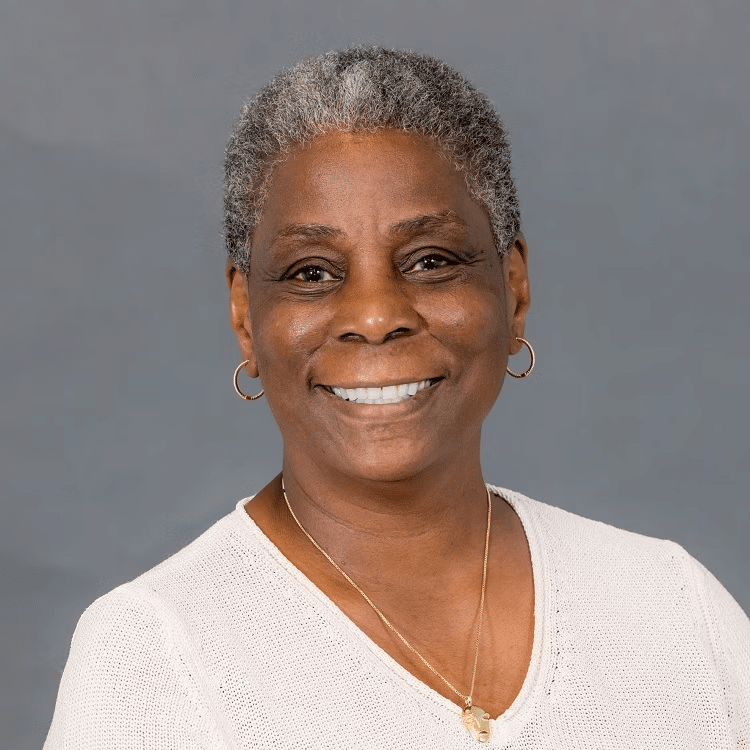
Ursula M. Burns was born on September 20, 1958, in New York City, and she grew up in the Baruch Houses — a public housing project on the Lower East Side of Manhattan where Jewish immigrants, Puerto Ricans, and African Americans occupied the same buildings, bound together by the single common factor that Burns herself has identified plainly: poverty. She was the second of three children raised by her mother, Olga, alone. Her father was absent. Her mother was not. Olga Burns ran a home day-care center, took in ironing, cleaned other people’s homes, and did whatever combination of work was available to keep her children fed, clothed, and — most importantly — enrolled in schools worth attending. She scraped together enough to send Ursula to Cathedral High School, a Roman Catholic preparatory school in Manhattan, because she understood that the school Ursula would have attended by default would not produce the outcome she intended for her daughter. That decision — made by a single mother on a domestic worker’s income in a housing project — is one of the structurally significant facts of this biography, as it opened the door to everything that followed. Ursula Burns was not a woman who grew up expecting to run a Fortune 500 company. She grew up expecting to outwork the circumstances in front of her, one step at a time, because her mother had modeled exactly that her entire life. Olga Burns once told her daughter something that would become the organizing principle of her public life: when people saw Ursula succeed, they were not seeing Ursula—they were seeing the possibility that it could be them, or their children. That is a different kind of ambition than personal achievement. That is stewardship. It is the understanding that a first is not a trophy. It is a door held open. She excelled at mathematics, attended Brooklyn Polytechnic Institute — staying close enough to home to keep watch over her family — and earned a bachelor’s degree in mechanical engineering in 1980. That summer, she became a mechanical engineering intern at Xerox through a graduate engineering initiative designed to support underrepresented minorities. Xerox offered to finance her master’s degree at Columbia University if she would commit to joining the company full-time upon completion. She agreed. She completed the degree in 1981. She would not leave Xerox for another thirty-six years. Corporate America in 1981 Was Not Waiting for Her To understand what Ursula Burns walked into when she joined Xerox full-time in 1981, it is necessary to understand what American corporate leadership looked like at that moment. White men overwhelmingly led Fortune 500 companies. Women had begun making inroads into middle management across several industries, but the executive suite — the boardroom, the C-suite, the ranks from which CEOs were selected — remained, in practice, a nearly exclusive preserve. Black women were so rare in senior corporate leadership that there was no statistical category adequate to describe their absence. They were not underrepresented. They were effectively invisible at those levels. Engineering itself was, and remains, one of the most male-dominated professional fields in the American economy. A Black woman arriving at a major technology corporation in 1981 with a mechanical engineering degree and a master’s from Columbia was an anomaly by any statistical measure. The corporate culture of that era lacked a well-developed framework for how to treat her. It contained a set of unspoken assumptions about who was executive material, what executive material looked like, how it spoke, and what its trajectory through the organization was expected to be. Ursula Burns did not fit those assumptions on a single dimension. What she had instead was a quality that would define her entire career and that her peers and superiors would describe in remarkably consistent terms across four decades: she said the thing. She told the truth in rooms where the truth was uncomfortable. She publicly disagreed with senior executives when she believed they were wrong. She was, by her own account and by the accounts of everyone who worked with her, direct to the point of rudeness, particularly early in her career. Anne Mulcahy, who would become her mentor and predecessor as CEO, described it precisely: Burns dared to tell you the truth in ugly times. In a corporate culture that rewarded polish and penalized candor, that quality would either end her career early or propel her to the top. It carried her to the top. The mechanism by which it did so is instructive. In 1989, approximately eight years into her tenure at Xerox, Burns publicly disagreed with Wayland Hicks, a senior executive, during a meeting. She expected to be reprimanded. Instead, Hicks called her in privately, told her he found her perspective refreshing, and offered her a position as his executive assistant. She was thirty-one years old, and the offer struck her as a step backward. She took it anyway, understanding — correctly — that proximity to power was its own form of education. Less than a year later, she became executive assistant to the chairman and CEO, Paul Allaire. From that position, every subsequent move accelerated. Thirty-Six Years. One Company. One Historic Appointment. The arc of Ursula Burns’s career at Xerox is, in structural terms, a study in what sustained commitment to a single institution produces when the institution is willing to use what it has. She was not a lateral hire brought in from outside to transform the culture. She had grown inside the organization over nearly four decades, promoted through product development, manufacturing, global operations, and executive strategy, and handed the company at a moment when it genuinely needed someone who understood it from the foundation up. From her years as executive assistant to Allaire in the early 1990s, she moved into leading individual business units — turning around the Xerox Facsimile and Office Color business, heading the European Mid-Range Copier Group in London, overseeing global manufacturing as vice president in 1999. In 2000, she was named
Women’s History Month Part 4: Ellen Johnson Sirleaf: The Leadership That Helped Rebuild Liberia
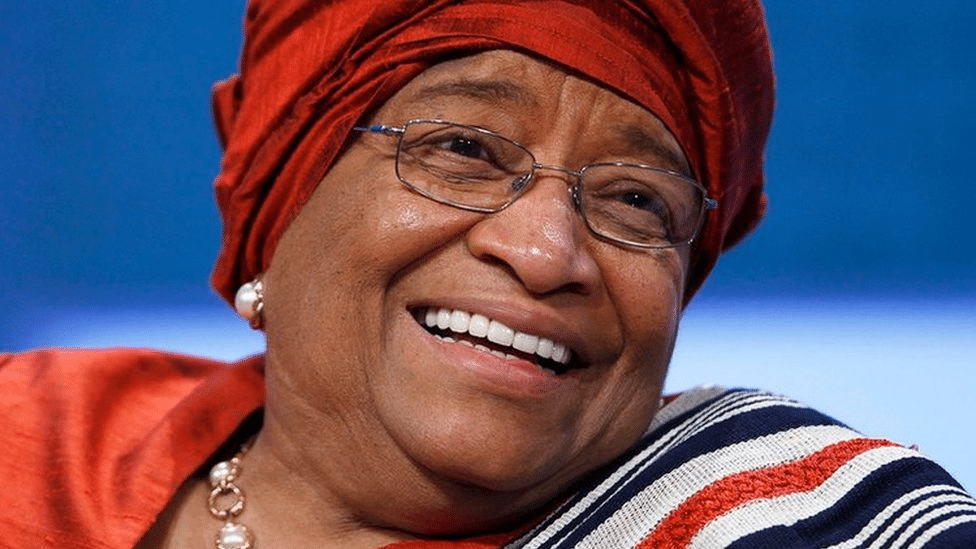
Women’s History Month History often places extraordinary responsibilities on leaders at the most difficult moments. For Liberia, that moment arrived in the early 2000s after years of violent civil conflict had devastated the nation’s economy, infrastructure, and political institutions. Rebuilding the country required more than policy reforms—it required steady leadership capable of restoring public confidence and guiding a fragile democracy forward. That leadership came in the form of Ellen Johnson Sirleaf, an economist, longtime public servant, and advocate for democratic governance. In 2006, she was sworn in as president of Liberia, becoming the first democratically elected female head of state in Africa. Her election represented more than a historic milestone for women in leadership. It also marked a turning point for a country emerging from years of conflict and political instability. Sirleaf inherited a nation deeply scarred by war. More than 270,000 people had been killed during Liberia’s civil conflicts, and roughly one-third of the population had been displaced. The country’s infrastructure had collapsed, unemployment rates were extremely high, and public institutions were weak or nonexistent. In this environment, rebuilding trust in government and restoring economic stability became urgent priorities. Through two presidential terms from 2006 to 2018, Sirleaf worked to stabilize Liberia’s economy, rebuild public institutions, expand opportunities for women, and restore the country’s standing within the international community. Her leadership also earned global recognition, including the Nobel Peace Prize in 2011 for her efforts to advance peace and women’s rights. Her story offers an important example of leadership under pressure, and her presidency reshaped conversations about governance, recovery, and the role of women in political leadership across Africa. This article explores Sirleaf’s early life, the challenges that shaped her political journey, and the lasting impact of her leadership on Liberia and beyond. Early Life and Education Ellen Johnson Sirleaf was born on October 29, 1938, in the capital city of Monrovia. Liberia holds a unique place in African history. Founded in the nineteenth century by formerly enslaved people from the United States, the country developed political and social structures influenced by both African traditions and American institutions. Sirleaf grew up during a period when educational opportunities for women were limited, yet her family encouraged academic achievement. She attended the College of West Africa in Monrovia before traveling to the United States to continue her studies. In the early 1960s she pursued education in economics and public administration, eventually earning a Master of Public Administration degree from Harvard University in 1971. Her academic background in economics proved critical to her future career. During the 1970s, she entered public service in Liberia and became Minister of Finance under President William Tolbert. In this role, she gained early recognition for her understanding of economic policy and fiscal management. However, Liberia’s political stability soon deteriorated. In 1980, a military coup led by Samuel Doe overthrew the government, marking the beginning of a turbulent period in the country’s political history. Like many reform-minded officials, Sirleaf found herself in conflict with the new regime. Her criticism of the military government resulted in arrest and imprisonment. Although she was later released, the political climate forced her to leave the country. This period of exile would shape both her political perspective and her international reputation. Years of Exile and International Experience Exile did not end Sirleaf’s public service. Instead, it expanded her influence beyond Liberia. Over the next decade, she held leadership roles in major international financial and development institutions. Sirleaf worked for organizations including the World Bank and Citibank, where she focused on economic development initiatives in Africa. Later, she served as Assistant Secretary-General of the United Nations and directed the Regional Bureau for Africa at the United Nations Development Programme. These roles gave her valuable experience in international finance, governance reform, and development policy. They also allowed her to build relationships with global leaders and institutions that would later prove critical when Liberia needed international support for reconstruction. Despite living abroad, Sirleaf remained deeply connected to the political future of Liberia. She repeatedly spoke out against authoritarian rule and corruption, even when doing so carried significant personal risk. In the mid-1980s, she returned briefly to Liberia to participate in elections but was once again imprisoned for criticizing the government. Her willingness to challenge powerful leaders earned her the nickname “Iron Lady,” reflecting both her determination and resilience. Liberia’s Civil War and the Struggle for Democracy The political instability that forced Sirleaf into exile eventually escalated into one of the most devastating conflicts in West African history. In 1989, Liberia’s civil war began, lasting more than a decade and causing widespread destruction. During this period, the country’s economy collapsed. Infrastructure such as roads, hospitals, and schools was destroyed. Armed groups recruited child soldiers, and entire communities were displaced. By the time the conflict ended in 2003, Liberia faced a humanitarian crisis that affected nearly every aspect of national life. After years of violence, peace negotiations, and international pressure, the international community eventually forced the resignation of President Charles Taylor. A transitional government was formed to prepare the country for democratic elections. Sirleaf returned to Liberia during this transitional period and became chairperson of the Governance Reform Commission. Her role involved helping rebuild government institutions and preparing the country for national elections. The Historic 2005 Election Liberia’s 2005 presidential election represented the country’s first real opportunity for democratic renewal after years of war. Sirleaf ran as the candidate of the Unity Party, campaigning on a platform focused on economic reform, anti-corruption policies, and national reconciliation. Her opponent in the final round of voting was internationally known soccer star, George Weah. Despite his popularity, Sirleaf won the runoff election with approximately 59 percent of the vote. On January 16, 2006, she was sworn in as president of Liberia, becoming the first democratically elected female head of state in Africa. Her victory attracted global attention and symbolized a new chapter not only for Liberia but also for women in political leadership. Rebuilding Liberia After Civil War When